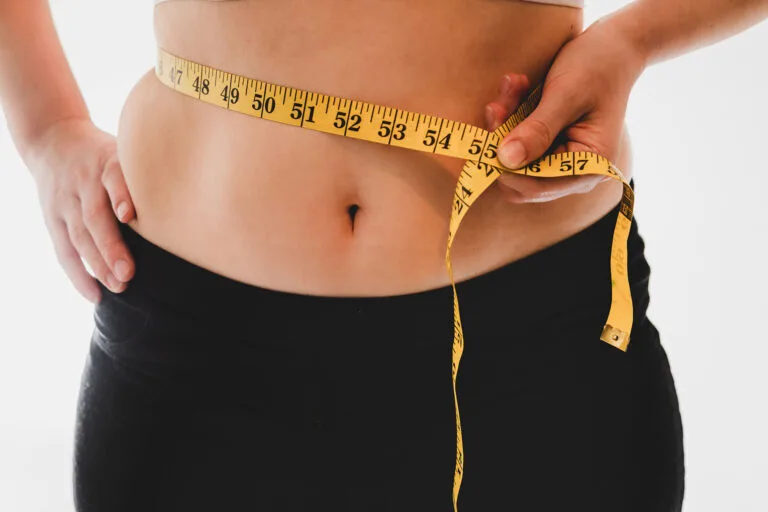
If you are searching for how to lose belly fat, you are not alone. Belly fat is one of the most stubborn areas to target, and many people struggle to reduce it despite trying different diets and workout routines. While achieving a flatter stomach may seem challenging, the right approach involving nutrition, exercise, and lifestyle habits can deliver real and lasting results.
Excess fat around the abdomen is not just a cosmetic concern. It is strongly linked to serious health issues such as heart disease, type 2 diabetes, and metabolic disorders. This makes it essential to focus on losing belly fat in a safe and sustainable way rather than relying on quick fixes.
In this guide, you will learn everything you need to know about belly fat and the most effective strategies to reduce it.
What is Belly Fat?
Belly fat refers to fat stored in the abdominal region, and it exists in two main forms.
Subcutaneous fat is the layer of fat just beneath the skin. It is the soft fat that you can pinch and is relatively less harmful, though it still affects appearance.
Visceral fat is stored deeper in the abdomen and surrounds internal organs such as the liver and intestines. This type of fat is more dangerous because it increases the risk of chronic diseases and negatively impacts overall health.
For effective fat loss, reducing visceral fat should be a key priority.
Why is Belly Fat So Hard to Lose?
Belly fat tends to be more resistant compared to fat in other areas of the body. One major reason is genetics, which determines where your body stores fat.
Hormones also play a significant role. High levels of cortisol, often caused by stress, lead to increased fat storage around the abdomen. Insulin resistance can further contribute to fat accumulation.
Another important factor is that spot reduction is not possible. Your body loses fat as a whole, and the belly area is usually one of the last places to shrink.

Common Causes of Belly Fat
Understanding the causes of belly fat can help you make better lifestyle choices.
A poor diet that includes excessive sugar, processed foods, and refined carbohydrates is one of the main contributors. These foods are high in calories and low in nutrients, making it easy to overeat.
A sedentary lifestyle also plays a role. When you do not burn enough calories through physical activity, the excess energy is stored as fat.
Chronic stress increases cortisol levels, which promotes fat storage, especially in the abdominal area.
Lack of sleep disrupts hormones that regulate hunger, leading to increased appetite and cravings.
Hormonal imbalances can also contribute to fat accumulation, particularly in certain age groups.
How to Lose Belly Fat Fast
1. Create a Calorie Deficit
Fat loss occurs when you burn more calories than you consume. A moderate calorie deficit helps you lose fat without negatively affecting your metabolism.
2. Follow a Balanced Diet
Focus on whole foods such as vegetables, fruits, lean protein, whole grains, and healthy fats. Avoid processed and sugary foods that contribute to fat gain.
3. Increase Protein Intake
Protein helps reduce hunger, maintain muscle mass, and boost metabolism, making it essential for effective fat loss.
4. Engage in Regular Exercise
Combine cardio exercises like walking or running with strength training to maximize fat burning and improve overall fitness.
5. Reduce Sugar and Refined Carbs
Limiting sugar intake helps control insulin levels and reduces fat storage, especially in the abdominal area.
6. Get Enough Sleep
Quality sleep supports hormone balance and reduces cravings, making it easier to maintain a healthy weight.
7. Manage Stress
Reducing stress levels helps control cortisol, which plays a key role in belly fat accumulation.
Top Belly Fat Exercises
In addition to overall fat loss strategies, certain exercises can strengthen your core and support fat burning. While these exercises do not directly target belly fat alone, they help tone the abdominal muscles and improve results when combined with a proper diet.
Plank is one of the most effective core exercises. It engages multiple muscle groups and helps build stability and strength.
Crunches are a classic exercise that targets the abdominal muscles and helps improve muscle definition.
Leg raises work the lower abs and are effective for strengthening the core.
Bicycle crunches engage both the upper and lower abdominal muscles while also activating the obliques.
Mountain climbers are a high-intensity exercise that combines cardio with core engagement, helping burn calories and fat.
Performing these exercises consistently, along with full-body workouts, can significantly improve your overall fitness and help reduce belly fat over time.
Can You Lose Belly Fat Quickly?
Although many people look for quick results, it is important to understand that sustainable fat loss takes time.
Extreme diets and intense workout routines may provide short-term results, but they are difficult to maintain and can harm your health.
The best way to lose belly fat is by building consistent, healthy habits that you can follow long-term.
Common Mistakes to Avoid
Many people make mistakes that slow down their progress.
Focusing only on abdominal exercises is ineffective because fat loss does not happen in one specific area.
Skipping meals or following crash diets can lead to muscle loss and slow metabolism.
Ignoring sleep and stress management can also negatively impact your results.
Expecting instant results often leads to frustration and inconsistency, which can hinder progress.
Conclusion
Learning how to lose belly fat is not about quick fixes but about making sustainable lifestyle changes. By focusing on proper nutrition, regular exercise, good sleep, and stress management, you can effectively reduce belly fat and improve your overall health.
Consistency is the key to success. Start with small changes, stay committed, and over time, you will see lasting results.