
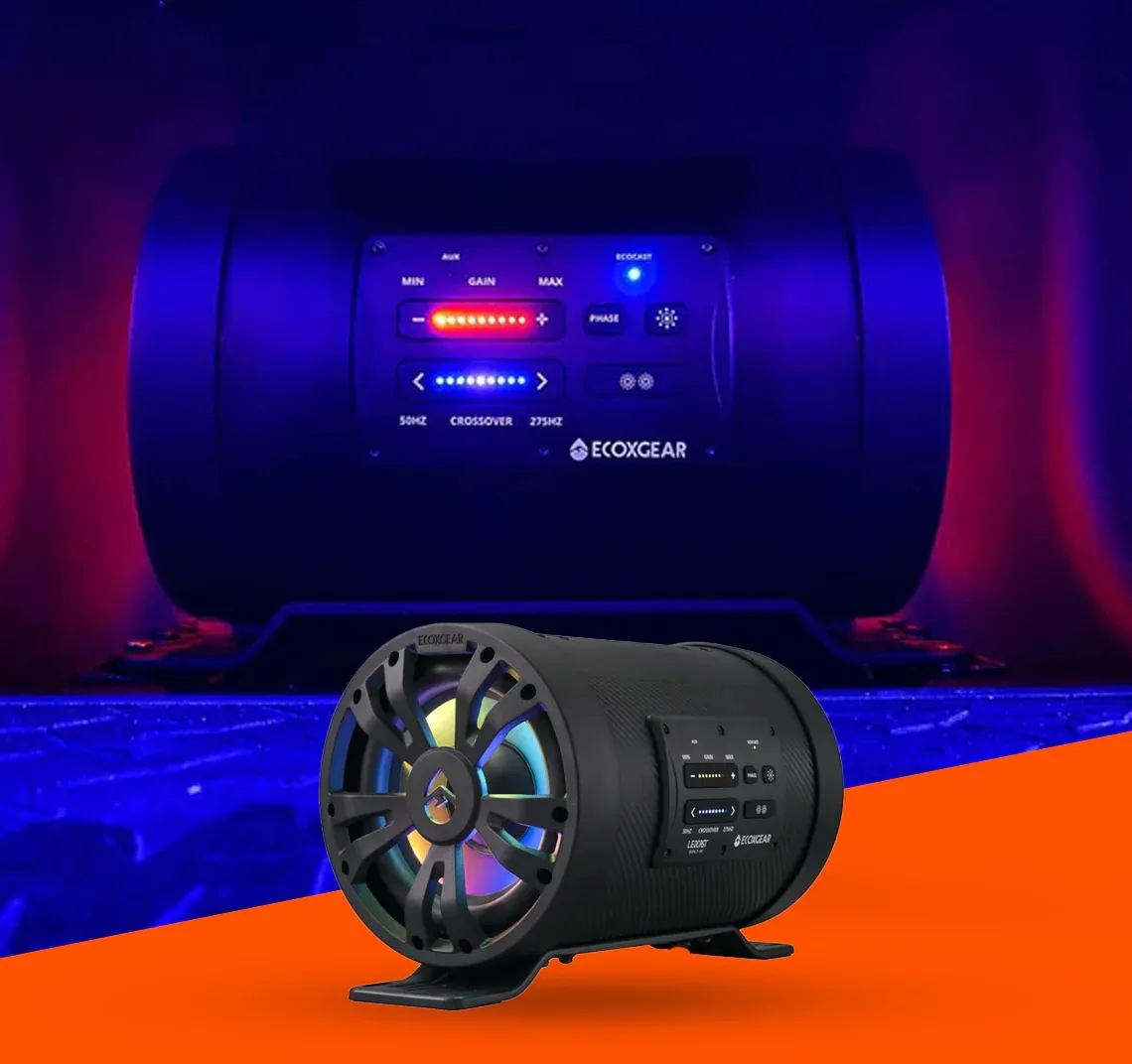
How to Maintain Marine Subwoofers: A Complete Guide to Long-Lasting Bass
A great marine sound system can transform every trip on the water. Your subwoofer delivers the deep, powerful bass that brings your favourite music to life, but marine environments can be tough on audio equipment.
Saltwater, moisture, humidity, UV exposure, dust, and constant boat movement can all affect the performance and lifespan of your subwoofer. Even marine-grade equipment benefits from regular care and maintenance.
With a few simple maintenance habits, you can protect your investment, maintain excellent sound quality, and keep your marine audio system performing at its best for years to come.
How Do You Maintain a Marine Subwoofer?
Proper marine subwoofer maintenance comes down to protecting the equipment from moisture and corrosion, checking the electrical connections, maintaining good sound settings, and preparing the system for periods of storage.
Here are the most important steps to follow.
1. Protect Your Subwoofer from Water and Moisture
Water is one of the biggest threats to any marine audio system. Although marine subwoofers are designed to withstand wet and humid conditions, prolonged exposure to water can still cause problems.
Regularly inspect your subwoofer and its enclosure for signs of damage. Check that:
- Seals and gaskets remain intact
- The enclosure is free from cracks or damage
- Mounting points remain secure
- Connections are protected from moisture
- Terminals show no signs of corrosion
If you notice water entering the enclosure, address the problem as soon as possible rather than allowing moisture to remain inside.
When your boat is stored for an extended period, consider disconnecting the subwoofer and keeping removable equipment in a cool, dry location.
2. Check for Corrosion Regularly
Saltwater and salty air can accelerate corrosion, particularly around metal terminals, wiring connections, mounting hardware, and other exposed components.
Inspect these areas regularly and look for:
- Rust or corrosion
- Loose terminals
- Damaged wiring
- Oxidised connectors
- Loose mounting hardware
Keeping electrical connections clean, secure, and properly protected can help prevent small issues from developing into larger problems.
3. Keep Your Marine Subwoofer Clean
Dirt, salt residue, dust, and grime can build up over time, especially on boats that are frequently used in harsh conditions.
After boating, remove visible salt and dirt from the surrounding area and follow the manufacturer's cleaning recommendations for your specific subwoofer.
Avoid allowing excessive water or cleaning products to collect around electrical connections, openings, or other sensitive areas.
A clean audio system is not only easier to maintain—it also makes it easier to spot potential problems before they become serious.
4. Maintain Clear, Distortion-Free Sound
Good marine audio performance isn't simply about turning up the volume.
If your subwoofer is consistently pushed beyond its limits, you may experience distortion and reduced performance. Check your amplifier and audio settings to ensure the subwoofer is receiving an appropriate signal.
For the best results:
- Avoid excessive volume levels
- Check amplifier gain settings
- Listen for distortion or unusual sounds
- Inspect wiring if sound becomes weak or inconsistent
- Make sure the subwoofer is securely mounted
If your subwoofer suddenly sounds distorted, muffled, or unusually quiet, investigate the issue rather than continuing to increase the volume.
5. Choose the Right Location for Your Subwoofer
Where you install a marine subwoofer can have a significant impact on both performance and durability.
Whenever possible, position the subwoofer where it can deliver strong bass throughout the boat while avoiding unnecessary exposure to direct water spray.
A secure installation also helps protect the subwoofer from excessive vibration and movement while the boat is underway.
Always follow the manufacturer's installation recommendations for the best results.
6. Prepare Your Subwoofer for Seasonal Storage
If your boat won't be used for an extended period, take a few extra steps before storing it.
Before putting your boat away:
- Inspect the subwoofer and enclosure.
- Check the wiring and connections.
- Tighten loose mounting hardware.
- Make sure the enclosure is properly sealed.
- Clean away salt, dirt, and debris.
- Protect the system from prolonged sunlight and moisture.
- Use a suitable boat cover when appropriate.
Taking care of these basic checks before storage can help you start the next boating season with a reliable audio system.
7. Troubleshoot Common Marine Subwoofer Problems
Changes in sound quality can be an early warning sign that your audio system needs attention.
Distorted sound
Distortion can be caused by excessive volume, incorrect amplifier settings, damaged components, or electrical connection problems. Check your audio settings and inspect the wiring and connections.
Weak or reduced bass
Weak bass may indicate a wiring issue, loose connection, amplifier problem, or subwoofer fault. Check the connections and make sure the subwoofer is receiving the correct signal.
Crackling or muffled audio
Crackling or muffled sound can occur when moisture has entered the system or when connections have become corroded. Inspect the enclosure, wiring, and terminals as soon as possible.
No sound
If the subwoofer stops working completely, check the power supply, wiring, amplifier connections, and relevant fuses before assuming the subwoofer itself has failed.
Addressing these problems early can help prevent further damage and keep your marine sound system ready for your next adventure.
Why Regular Marine Subwoofer Maintenance Matters
Marine audio equipment is built for demanding environments, but regular maintenance still plays an important role in long-term performance.
Keeping your subwoofer clean, checking for corrosion, protecting connections, inspecting seals, and using sensible audio settings can help extend the life of your equipment while maintaining the powerful bass you expect.
A few minutes of care after each boating trip can go a long way toward protecting your sound system.
Keep the Music Going on Every Adventure
Your boat is built for adventure, and your sound system should be ready for it.
With proper care and regular inspections, your marine subwoofer can continue delivering deep, powerful bass while standing up to the challenges of life on the water.
If you're upgrading your onboard entertainment system, explore ECOXGEAR's range of rugged, marine-ready audio solutions designed for demanding outdoor environments.
If you’re looking to take your onboard entertainment to the next level, explore our range of Bluetooth speakers for boats designed to handle the toughest Australian conditions.