
Introduction
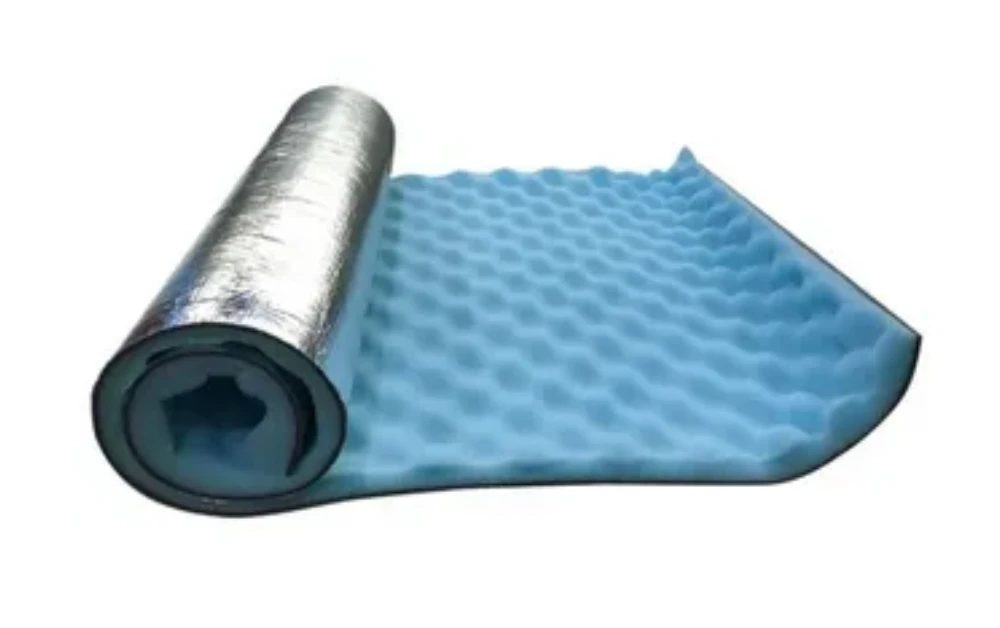
Noise from plumbing systems can be more disruptive than many realize. The rush of water, pipe vibrations, and echoing sounds through walls often create an uncomfortable environment in both homes and workplaces. A practical solution to this problem is pipe acoustic lagging, which is designed to insulate and dampen noise while protecting pipework. With proper installation, this material can make a remarkable difference in overall sound quality and comfort.
Understanding Pipe Noise
Why Pipes Create Noise
Pipes often act as natural amplifiers. Water movement, pressure fluctuations, and vibrations travel easily through uninsulated pipes, turning walls and floors into channels for unwanted sound.
Common Problem Areas
Bathrooms, kitchens, and mechanical rooms are the most frequent sources of plumbing noise. Without insulation, these areas often disturb other rooms, especially in multi-story buildings.
Preparing for Installation
Measuring and Planning
Start by identifying the sections of pipe where noise is most noticeable. Measure both the diameter and length of the pipes to ensure you have the correct amount of lagging material.
Cleaning the Surface
A clean surface is essential. Dust, grease, or moisture can reduce adhesion, so wipe down the pipes before beginning the installation.
Step-by-Step Installation Process
Step 1: Cutting the Material
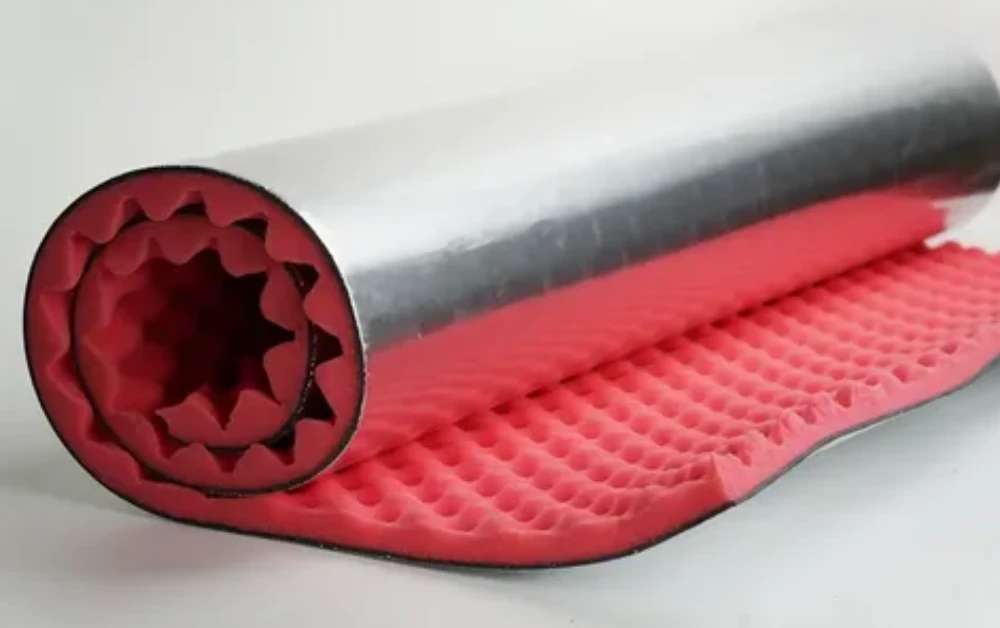
Cut the lagging sheets or rolls according to the pipe measurements. Ensure that each piece is slightly larger than required, so it wraps tightly without leaving gaps.
Step 2: Wrapping the Pipes
Securely wrap the material around the pipe. Overlapping edges will prevent sound leakage and provide a continuous protective layer.
Step 3: Sealing the Joints
Use strong adhesive tape or fixing bands to close all seams. Proper sealing is crucial to ensure the material doesn’t shift over time.
Step 4: Adding Extra Layers
In high-noise areas, consider adding a second layer of lagging. This further improves sound insulation and provides additional thermal protection.
Benefits of Proper Installation
Noise Reduction
Correctly installed lagging significantly reduces vibrations and sound transmission, creating a quieter environment.
Energy Efficiency
Lagging also acts as insulation, helping to maintain water temperature in pipes and reducing energy loss.
Extended Pipe Life
By reducing condensation and protecting against external wear, lagging improves the durability and lifespan of pipe systems.
Also Read :- The Ultimate Guide to Acoustic Spray: Enhance Soundproofing & Aesthetics
Conclusion
Installing pipe lagging is a simple yet powerful way to control plumbing noise while gaining added benefits like energy savings and longer pipe life. With the right preparation and step-by-step approach, anyone can achieve a quieter, more comfortable space. For professional support and expert solutions, Perfect Acoustics is ready to help you transform noisy systems into peaceful and efficient ones.