
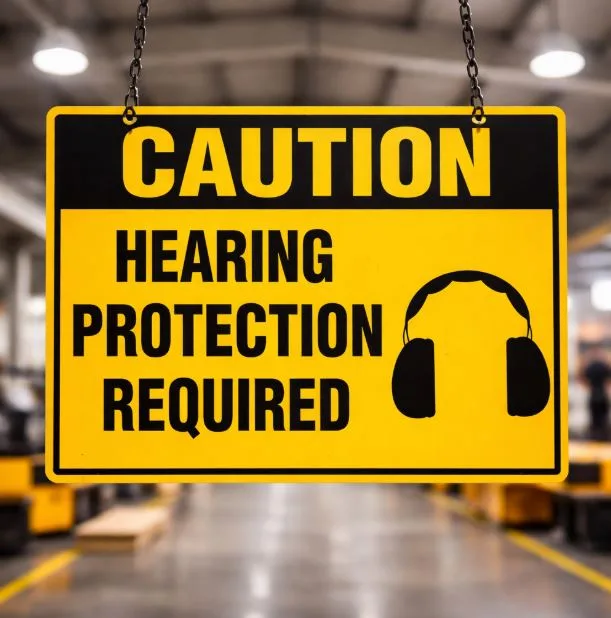
Construction sites are busy environments where workers, contractors, equipment operators, and visitors may face different hazards throughout the day. From moving machinery to open excavations, these risks require clear communication and careful planning. One practical way to communicate potential dangers is through properly selected, positioned, and maintained safety signage.
Using appropriate custom safety signs helps construction teams communicate site-specific hazards, reinforce safety instructions, and guide people away from restricted areas. Although signs cannot eliminate hazards on their own, they can support a broader safety program that includes worker training, protective equipment, barriers, and established safety procedures.
1. Identify Common Hazards Before Placing Signs
The first step in improving construction site safety is understanding where hazards exist. Each project has different conditions depending on its location, work activities, equipment, and stage of development.
Common construction site hazards include:
- Moving equipment: Excavators, forklifts, dump trucks, and other machinery can create struck-by and collision risks.
- Excavations and trenches: Open excavations may present fall hazards, unstable ground, or other site-specific dangers.
- Electrical hazards: Temporary electrical installations and exposed electrical equipment may require appropriate warnings and access restrictions.
- Falling objects: Work at height can expose people below to falling tools, materials, and debris.
- Restricted areas: Certain locations may require access controls because of ongoing work, hazardous operations, or equipment movement.
Identifying these risks helps site managers determine where warnings, directional information, and access restrictions are needed. Suitable construction hazard signs can communicate specific dangers when used alongside the appropriate protective measures.
Before installing signage, review the site layout, assess current hazards, and consult applicable safety requirements. Signs should communicate actual conditions rather than display generic warnings that do not apply to the area.
2. Choose Clear and Easy-to-Understand Warning Signs
A safety sign is useful only when people can understand its message in time to respond appropriately. Complicated wording, poor contrast, small text, and unfamiliar symbols can make important information harder to recognize.
When selecting construction warning signs, consider the following factors:
Use direct wording. Keep messages brief and specific. For example, a sign reading "DANGER: OPEN EXCAVATION" communicates a more precise hazard than a general warning without additional information.
Choose readable text. Letter size should suit the viewing distance and surrounding conditions. A sign intended for drivers approaching a work zone needs to be legible from farther away than one placed near a controlled work area.
Use recognizable symbols. Familiar safety symbols can help people understand a message quickly, particularly when they are unfamiliar with the site or have limited time to read.
Maintain strong contrast. Text and symbols should stand out clearly from the background. Avoid cluttered designs that make the primary warning difficult to identify.
Match the sign to the hazard. Danger, caution, mandatory instructions, and directional messages serve different purposes. Select the appropriate sign type instead of treating every message as interchangeable.
For US construction projects, OSHA's construction standard at 29 CFR 1926.200 addresses accident-prevention signs and tags, including requirements for visibility and the use of danger and caution signs. Traffic-control signs and devices at construction hazards must also meet applicable requirements. Review the official OSHA construction signage standards when planning a signage program.
3. Place Safety Signs Where People Need the Information
Even a well-designed sign may be ineffective if it is hidden, installed too late, or positioned where people cannot see it before reaching a hazard.
Effective placement starts with understanding how people move through the site. Consider the approach routes used by workers, visitors, delivery drivers, and equipment operators.
Important locations may include:
- Site entrances: Communicate entry requirements, required protective equipment, and access restrictions where applicable.
- Excavation areas: Warn people about open trenches, unstable ground, or restricted access where relevant.
- Equipment operating zones: Identify areas where moving machinery or vehicle activity creates specific risks.
- Pedestrian routes: Help separate foot traffic from vehicle movements when supported by the site's traffic-management plan.
- Temporary traffic routes: Provide appropriate advance warnings, directions, and traffic-control information.
- Restricted work areas: Identify locations where entry is limited to authorized personnel.
Appropriate safety signs for construction should be positioned before people encounter the hazard whenever practical. Consider viewing distance, obstructions, lighting, changing site conditions, and the direction from which people approach.
Signs should not replace physical barriers, guarding, or other controls where those measures are needed. For example, a warning sign beside an unsafe opening does not provide the same protection as an effective physical barrier.
4. Select Durable Signs for Changing Construction Conditions
Construction sites expose signage to dust, rain, sunlight, mud, vibration, and frequent movement. Signs may also be relocated as work progresses or as temporary access routes change.
Selecting suitable materials and mounting methods helps keep important messages readable and securely displayed.
When evaluating signage, consider:
Weather resistance: Outdoor signs should be suitable for the expected exposure to rain, sunlight, temperature changes, and other environmental conditions.
Material strength: Choose materials that suit the installation location and anticipated handling. A permanent sign mounted on a fence may have different requirements from a temporary sign used during a short-term project.
Print clarity: Text, symbols, and colors should remain distinguishable under normal viewing conditions. Consider whether dirt, glare, or fading could affect readability.
Mounting options: Select a suitable method for securing the sign to its intended surface or support. The installation should not create additional hazards or obstruct walkways.
Size and viewing distance: Large work zones and roadside approaches may require different sign dimensions from smaller, controlled work areas. Traffic-control signage must follow the applicable standards for the location.
Custom safety signs can be useful when a project needs specific wording, site identification, hazard messages, or instructions that reflect its actual working conditions. The final design should remain consistent with applicable safety standards and should not replace required standardized traffic-control or regulatory signs.
5. Inspect and Update Signs as Work Progresses
Construction sites change quickly. An excavation may be filled, a temporary road may move, or a new phase of work may introduce hazards that were not present earlier.
For this reason, signage should be reviewed regularly as part of routine site inspections and changes to work activities.
A practical inspection checklist includes:
- Confirm that signs remain visible from the intended approach.
- Check for fading, damage, dirt, or other issues that reduce readability.
- Remove obstructions such as stored materials, temporary structures, or vegetation where practical.
- Verify that sign messages still reflect the current hazards and site layout.
- Replace damaged signs and correct insecure mounting.
- Remove or cover temporary warnings when the relevant hazard no longer exists, as required by applicable standards.
- Check that temporary traffic-control signs remain appropriate whenever vehicle routes or work zones change.
Under OSHA 29 CFR 1926.200(a), signs and symbols required by the relevant construction subpart must be visible while work is being performed and promptly removed or covered when the hazards no longer exist. This makes regular inspection and timely updates important parts of maintaining an effective signage program.
6. Combine Safety Signs with Training and Other Controls
Safety signage works best when workers understand what the messages mean and what actions they should take. Posting signs without explaining site procedures can leave people uncertain about how to respond.
Include signage in site orientations, toolbox talks, and task-specific safety briefings. Explain the meaning of important warnings, identify restricted areas, and clarify the procedures workers should follow when hazards are present.
For example, a warning sign near moving equipment should support established vehicle routes, operator procedures, pedestrian separation, and any required barriers. Similarly, a sign identifying an electrical hazard should complement appropriate isolation procedures, access controls, and qualified work practices.
Supervisors should also encourage workers to report missing, damaged, confusing, or misplaced signs. Feedback from people working on site can reveal problems that may not be obvious during a quick inspection.
Remember that signs are one component of hazard communication and risk management. Employers must identify and address hazards using the controls required by applicable regulations and the conditions of the work.
Conclusion
Improving construction site safety starts with understanding site-specific hazards, communicating warnings clearly, and keeping safety information visible as work progresses. Well-placed signs can help workers and visitors recognize potential dangers, follow site instructions, and navigate active work areas more confidently.
From equipment warnings to restricted-area notices, the right signage should reflect the actual hazards, environmental conditions, and needs of each project. Regular inspections, worker training, and appropriate physical safeguards remain essential to making these messages effective.
For businesses that need signage suited to specific workplace requirements, explore custom safety signs from All Seasons Printing. Choosing appropriate, clearly designed signs can help support a more organized and safety-conscious construction environment.