There's nothing more frustrating than waiting what feels like an eternity for your computer to boot up in the morning. You press the power button, grab your coffee, and by the time you return, your PC is still loading. If you're experiencing this common issue, you're not alone—slow boot times affect countless users worldwide. Whether your computer takes five minutes or fifteen minutes to fully start up, the impact on your daily productivity is undeniable. The good news is that slow boot problems are typically fixable without resorting to expensive replacements or risking your precious data. If you're searching for solutions, computer repairs Aberfeldie specialists can help you diagnose and resolve these issues efficiently. In this comprehensive guide, we'll walk you through practical, step-by-step methods to accelerate your PC's boot time while keeping all your important files safe and secure. By the end of this article, you'll understand the root causes of slow booting and have the knowledge to implement effective solutions yourself.
Melbourne's Tech-Savvy Community and Local Support
Melbourne has established itself as a vibrant technology hub in Australia, with a thriving community of IT professionals and computer repair services scattered throughout its suburbs, including Aberfeldie. The city's residents are known for their tech-forward approach to problem-solving, making it an ideal place to find expert computer repair services. Whether you're in the heart of the CBD or in a residential area like Aberfeldie, professional support is just around the corner, ensuring you don't have to navigate technical issues alone.
Understanding Why Your PC Boots Slowly
Before diving into solutions, it's essential to understand what causes slow boot times. Your computer's boot process involves loading the operating system, drivers, and various startup programs. When too many applications are set to launch automatically, when your hard drive is fragmented, or when malware is present, your PC's startup speed suffers significantly. Another common culprit is outdated drivers or firmware that haven't been updated in months or years. Additionally, a failing hard drive or insufficient RAM can dramatically slow down the boot process. By identifying the specific cause, you can target your solution more effectively.
Disable Unnecessary Startup Programs
One of the quickest ways to improve boot time is to reduce the number of programs launching automatically when your PC starts. Many applications—from cloud storage services to messaging apps—automatically configure themselves to start with Windows. Each of these programs adds precious seconds (or minutes) to your boot time. To manage startup programs in Windows, access the Task Manager by pressing Ctrl+Shift+Esc, then navigate to the Startup tab. Review each application listed and ask yourself whether it truly needs to launch automatically. Disabling unnecessary programs is a safe way to reclaim boot speed without deleting anything or risking your files. Focus on applications you rarely use immediately after turning on your computer.
Clean Up Your Hard Drive and Remove Unnecessary Files
A cluttered hard drive is often a slow hard drive. If your storage drive is nearly full, your PC must work harder to manage space and access files, slowing down the boot process. Start by removing programs you no longer use through the Control Panel's "Uninstall a program" feature. Delete temporary files, old downloads, and duplicate documents you've kept "just in case." Windows also includes a Disk Cleanup utility that can safely remove system temporary files and cache data. However, before deleting anything, ensure you've backed up important files to an external drive or cloud storage. This precaution ensures that even if something goes wrong, your documents, photos, and personal data remain safe.
Update Your Operating System and Drivers
Outdated software is another significant factor in slow boot times. Windows updates often include performance improvements and security patches that enhance overall system stability. Similarly, device drivers—the software that allows Windows to communicate with your hardware—need regular updates. Outdated drivers can cause conflicts and slowdowns. Check for Windows updates by opening Settings, navigating to Update & Security, and clicking "Check for updates." For drivers, visit the Device Manager, right-click on each device, and select "Update driver." Manufacturers like Intel, NVIDIA, and AMD also provide driver update utilities for graphics cards and chipsets. These updates are typically safe and designed to improve performance.
Scan for Malware and Viruses
Sometimes, a slow-booting computer is a sign of malware infection. Malicious software running in the background consumes system resources and slows down your PC significantly. Use Windows Defender, which comes built-in with Windows, or download a reputable third-party antivirus program like Malwarebytes for a thorough scan. Ensure your antivirus definitions are up-to-date before scanning. A comprehensive malware scan can take some time but is a crucial step in ensuring your system's health and security. If malware is detected, allow your antivirus software to quarantine and remove it automatically.
Consider Hardware Upgrades
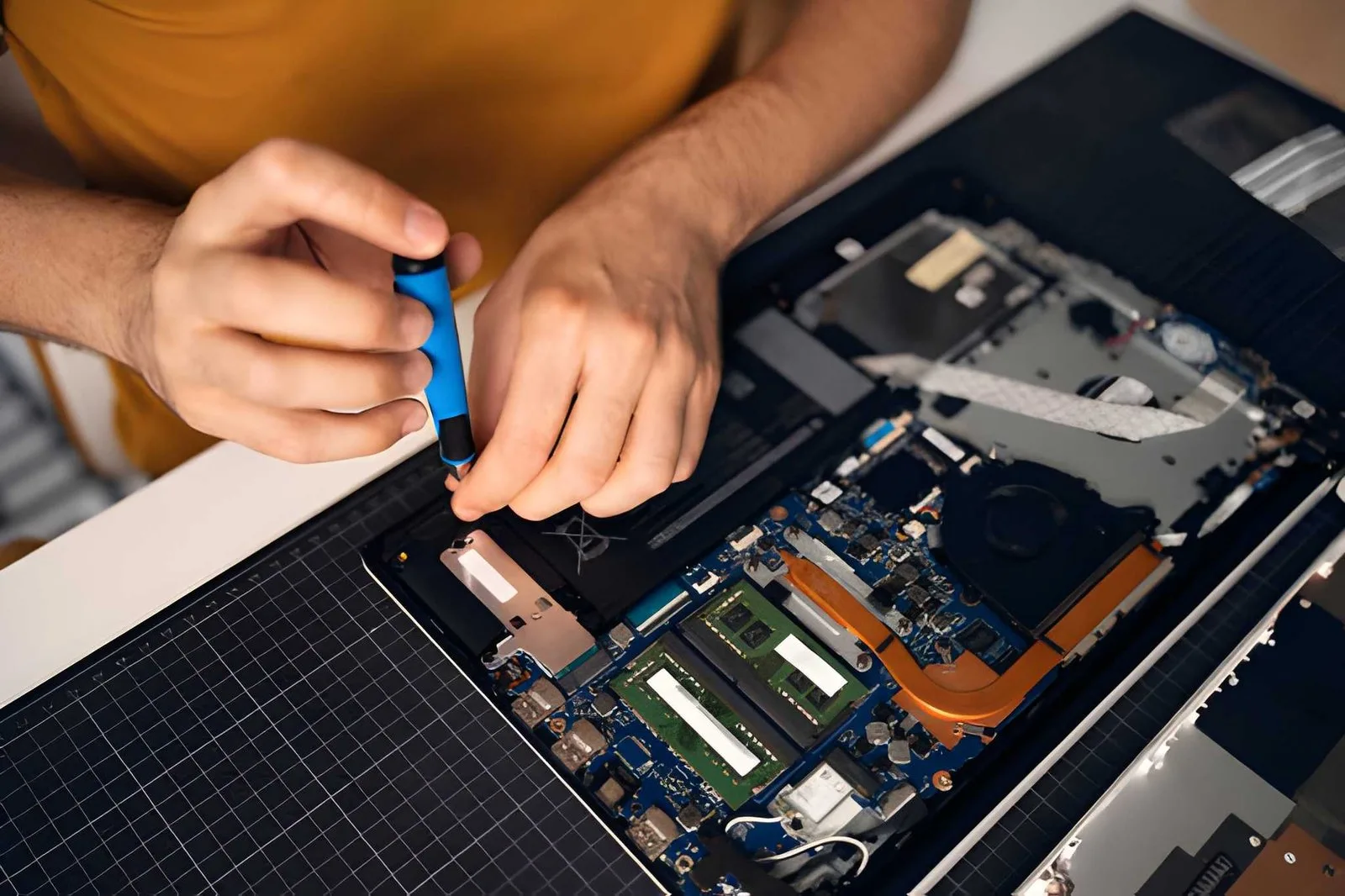
If you've implemented all the above solutions and your PC still boots slowly, a hardware upgrade might be necessary. Upgrading from a traditional hard drive (HDD) to a solid-state drive (SSD) can reduce boot times from minutes to mere seconds. SSDs are significantly faster at reading and writing data. Similarly, adding more RAM (random access memory) can help your system handle more tasks simultaneously during startup. These upgrades do require some technical knowledge or professional assistance, but they're among the most effective ways to transform your computer's performance.
Conclusion
Fixing a slow-booting PC doesn't require advanced technical expertise or putting your data at risk. By disabling unnecessary startup programs, cleaning your hard drive, updating your software, and scanning for malware, you can significantly improve your computer's boot speed. For residents of Aberfeldie seeking professional guidance, local computer repair services can provide expert diagnostics and solutions tailored to your specific situation. Remember, taking the time to address these issues now will save you countless hours of frustration in the future while keeping your important files secure and protected.