
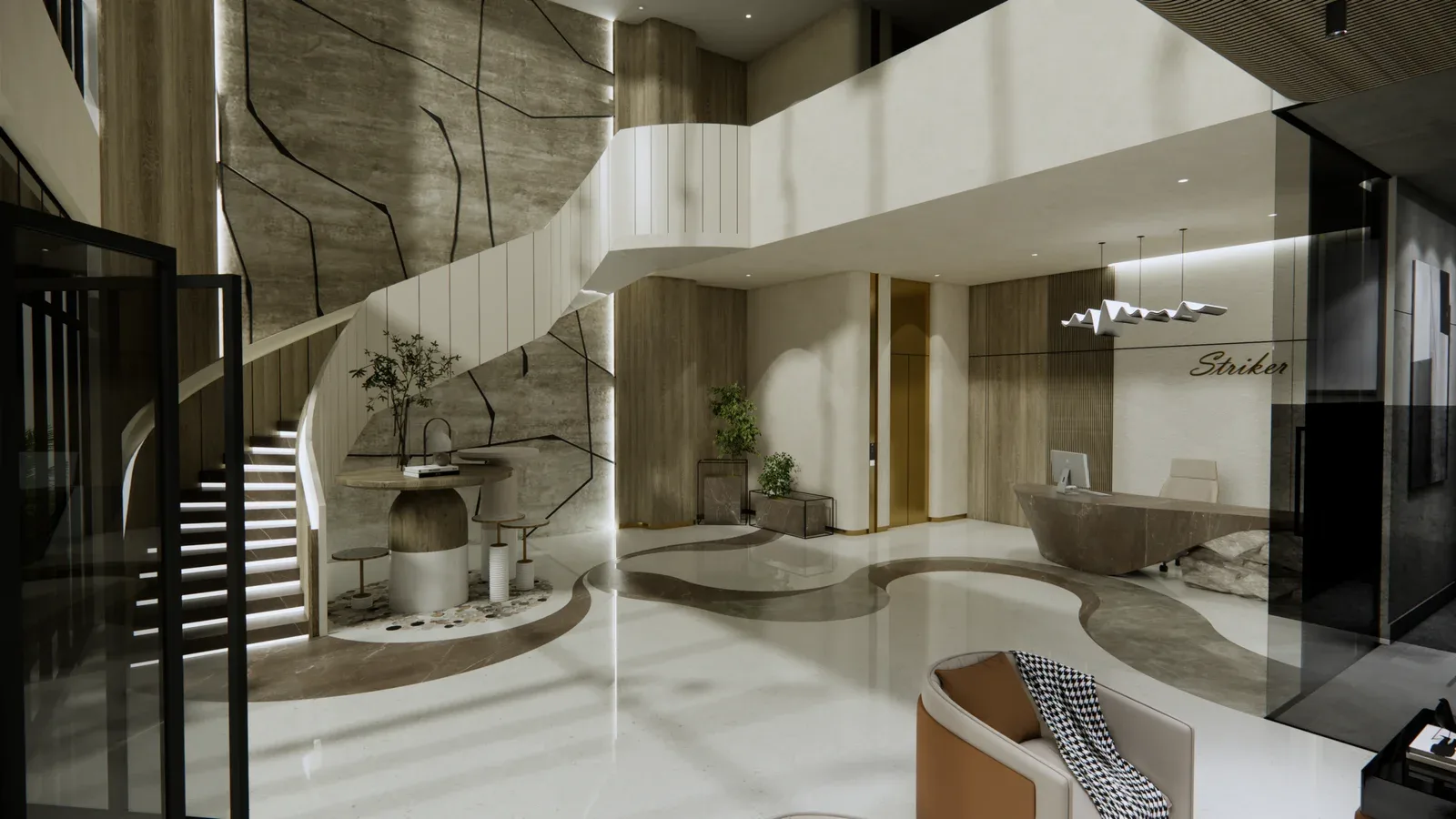
How to Find the Right Architect for Your Home or Commercial Project in Delhi
uate different professionals and make an informed decision. Delhi has numerous architecture firms and independent architects offering different design approaches and services. However, selecting the right professional requires more than comparing attractive designs. You should consider experience, technical knowledge, creativity, communication, project requirements, and the ability to work within yoPlanning to build a new home, renovate an existing property, or develop a commercial space in Delhi? Architecture plays an important role in transforming ideas into functional, comfortable, and visually appealing spaces. A well-designed building is not just about walls, floors, and ceilings; it is about creating an environment that supports everyday activities while reflecting individual preferences. Whether you are planning a modern apartment, an independent house, an office, or a retail space, choosing the right architectural professional can make a significant difference in the overall outcome of your project.
If you are planning a construction or renovation project, understanding How to Choose an Architect in Delhi can help you evalur expected budget.
1. Understand Your Architectural Project Requirements
Before approaching an architect, take some time to identify your project requirements. Every building serves a different purpose, and the design should reflect how the space will be used.
For example, a residential project may require comfortable bedrooms, functional kitchens, natural lighting, privacy, and sufficient storage. A commercial property, on the other hand, may need organized workspaces, customer accessibility, efficient circulation, and a professional appearance.
Start by preparing a basic list of your expectations, including:
- Type and purpose of the building.
- Available plot or property size.
- Number of rooms and functional areas.
- Preferred architectural style.
- Estimated construction budget.
- Expected project completion timeline.
Having these details ready will help an architect understand your vision and suggest appropriate design solutions.
2. Review the Architect's Portfolio and Previous Experience
An architect's portfolio is one of the most useful resources for understanding their design capabilities. Previous projects can provide insights into their creativity, technical expertise, attention to detail, and experience with different types of buildings.
While reviewing portfolios, look for projects that are relevant to your requirements. If you are planning a residential property, explore their home designs. If your project involves an office, restaurant, hotel, or commercial building, check whether they have experience in similar developments.
Consider these factors when evaluating previous work:
- Quality of architectural planning and layouts.
- Creativity in exterior and interior design.
- Material selection and finishing details.
- Natural lighting and ventilation.
- Efficient utilization of available space.
- Consistency in design quality.
A strong portfolio is valuable, but it is equally important to understand whether the architect can adapt their approach to your specific needs.
3. Focus on Creativity and Practical Functionality
Good architecture is not limited to creating attractive buildings. A successful design should also make everyday activities easier and more comfortable.
For residential properties, this may involve planning spacious living areas, functional kitchens, comfortable bedrooms, and proper connections between different rooms. For commercial buildings, functionality may include accessible entrances, organized workstations, suitable lighting, and efficient movement throughout the property.
An experienced architectural professional considers how people interact with their surroundings. They balance visual appeal with practical requirements to create spaces that remain useful over time.
4. Discuss Your Budget and Architectural Design Fees
Budget planning is an essential part of every construction project. Before finalizing an architect, discuss your financial expectations and understand the professional fees involved.
Architectural services may include initial consultations, concept development, design planning, detailed drawings, material recommendations, and construction-related coordination. The exact services depend on the agreement and project requirements.
Make sure you discuss:
- Architectural consultation and design fees.
- Number of design revisions included.
- Detailed drawings and documentation.
- Additional services and possible charges.
- Construction supervision or coordination.
- Estimated project timelines.
Clear financial discussions help avoid misunderstandings and allow the architect to recommend suitable solutions according to your available budget.
5. Consider Knowledge of Delhi's Building Regulations
Construction and architectural planning in Delhi involve various local regulations, site conditions, and approval requirements. Depending on the property location and building type, different permissions and technical guidelines may apply.
An architect familiar with Delhi's local development conditions can help identify relevant planning considerations before the project moves forward.
Important factors may include plot dimensions, permissible building height, setbacks, ventilation, access requirements, and applicable authority approvals.
Understanding these requirements during the design stage can reduce potential complications and help keep the project aligned with relevant building regulations.
6. Evaluate Communication and Professional Approach
A successful architectural project requires regular communication between the client and the design professional. From the first consultation to the final stages of planning, you should feel comfortable discussing ideas, asking questions, and sharing feedback.
A professional architect should listen carefully, understand your expectations, and explain design decisions clearly. They should also communicate project progress and discuss any changes that may affect the budget or timeline.
Look for professionals who offer:
- Clear communication and regular updates.
- Realistic project timelines.
- Proper documentation of important decisions.
- Willingness to understand client preferences.
- Practical suggestions and alternative solutions.
Good communication builds trust and makes the entire design process more organized.
7. Understand the Importance of Space Planning
Space planning is one of the most important aspects of architectural design. It involves organizing different areas of a building to improve movement, comfort, privacy, and functionality.
A residential property should have a logical connection between living rooms, bedrooms, kitchens, bathrooms, and other spaces. Similarly, an office should support employee productivity, collaboration, accessibility, and comfortable movement.
Good space planning also considers window placement, natural lighting, ventilation, furniture arrangements, and circulation areas.
Even a relatively small property can feel spacious when the layout is planned intelligently. This is why proper architectural planning should be considered an important investment.
8. Look for Sustainable and Modern Architectural Solutions
Modern architecture increasingly focuses on sustainability, energy efficiency, and responsible material selection. These considerations can improve the long-term performance of a building while creating a healthier indoor environment.
Delhi experiences significant seasonal temperature variations, making climate-responsive design particularly useful. Architects may consider natural ventilation, appropriate shading, insulation, energy-efficient lighting, and durable building materials.
Some useful sustainable design approaches include:
- Maximizing natural daylight.
- Reducing unnecessary heat gain.
- Using energy-efficient lighting systems.
- Selecting suitable and durable materials.
- Improving natural ventilation.
- Considering water-efficient solutions.
Sustainable architecture does not always require expensive technology. Many improvements can be achieved through thoughtful planning and intelligent design decisions.
9. Understand the Complete Design and Execution Process
Before starting a project, understand how the architect manages different stages of work. Architectural projects generally involve several phases, and knowing what to expect can help you plan effectively.
The process may begin with understanding client requirements and studying the property or construction site. This is followed by concept development, preliminary layouts, design revisions, detailed drawings, and technical documentation.
Depending on the agreed scope, the architect may also assist with material selection, consultant coordination, and construction-related activities.
Ask whether the professional will remain involved during construction or whether their responsibilities are limited to design and documentation. Having clarity about services and responsibilities helps establish realistic expectations.
10. Compare Architects Before Making Your Final Decision
Once you have shortlisted a few architecture professionals, compare their experience, portfolios, communication style, design approach, and professional fees.
Do not make your decision based only on the lowest quotation or attractive photographs. Instead, consider the overall value and expertise they can bring to your project.
The right architect should understand your priorities, provide practical suggestions, respect your budget, and create designs that support your present and future requirements.
Before proceeding, make sure the agreed services, payment terms, project responsibilities, and expected deliverables are properly documented.
Conclusion
Finding the right architectural professional requires careful research, proper planning, and a clear understanding of your project goals. Whether you are developing a residential property, renovating an existing home, or planning a commercial building, selecting an experienced architect can make the process more organized and effective.
From reviewing previous projects and discussing budgets to understanding local regulations and evaluating design capabilities, every factor contributes to a successful architectural experience. A thoughtfully designed building can improve everyday comfort, make better use of available space, and provide lasting value. By working with a professional who understands your vision and combines creativity with practical expertise, you can turn your ideas into a functional and visually appealing space.
Frequently Asked Questions (FAQs)
1. How do I find a good architect in Delhi?
Start by researching architecture firms, reviewing their portfolios, checking previous projects, and understanding their areas of expertise. Discuss your project requirements, budget, and expectations before making a final decision.
2. What services does an architect provide?
Architects may provide site analysis, architectural planning, concept development, building layouts, detailed drawings, design development, material recommendations, and construction coordination, depending on the agreed scope of work.
3. Why is hiring a professional architect important?
A professional architect helps create functional layouts, improve space utilization, consider natural lighting and ventilation, and develop designs according to the client's requirements and applicable building regulations.
4. Can an architect help with residential and commercial projects?
Yes. Architects can work on various project types, including independent houses, apartments, offices, retail outlets, hospitality spaces, and other commercial developments. Their experience and services may vary depending on the project.
5. What should I discuss during the first meeting with an architect?
You should discuss your project vision, property details, preferred design style, estimated budget, expected timeline, required services, and any specific functional requirements. This helps establish a clear understanding before design work begins.