
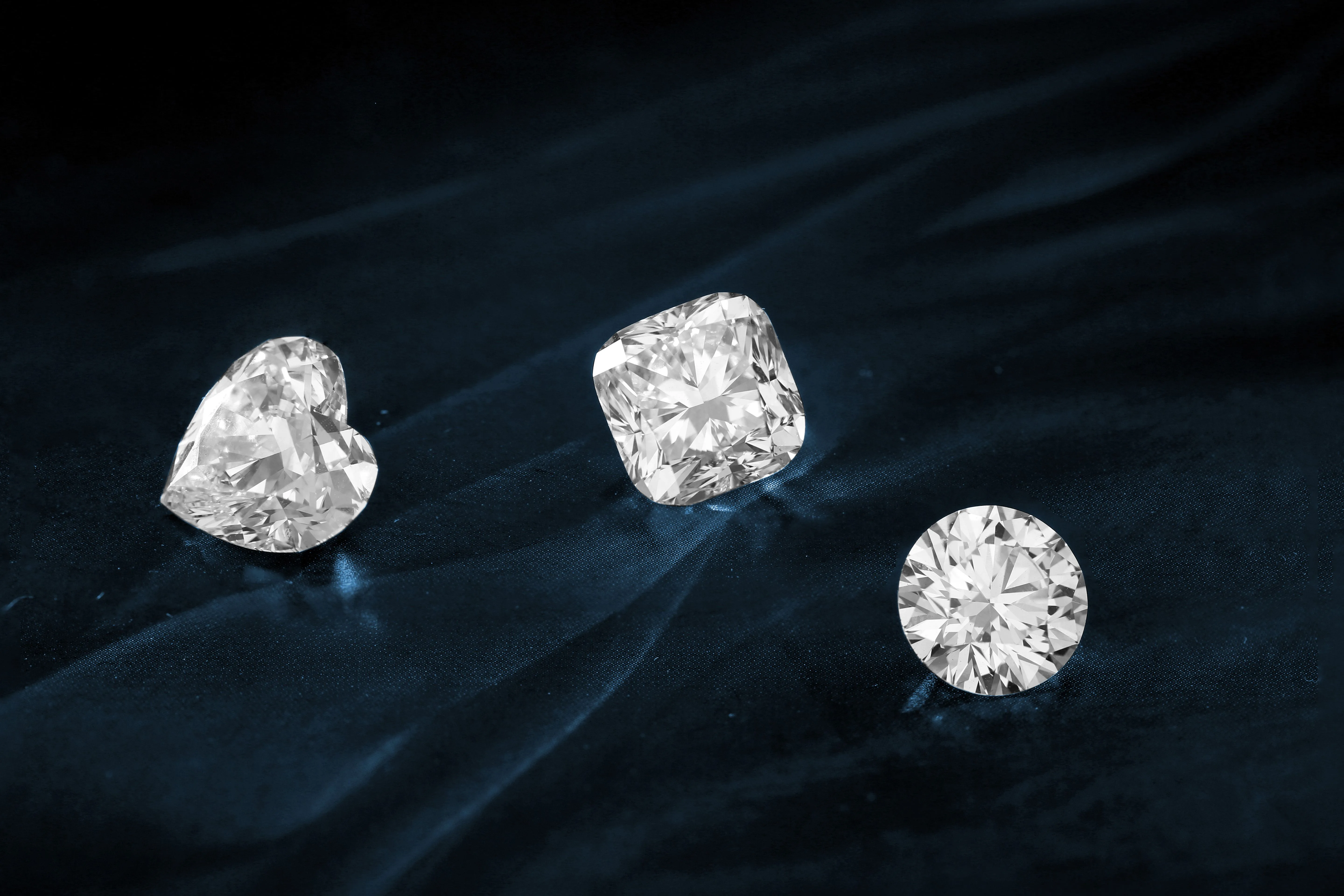
Buying a diamond involves balancing beauty, quality, and budget. However, finding the right stone can be challenging when different retailers offer diamonds with varying prices, grading specifications, and features. This is where Diamond Price Comparison becomes an important part of the buying process.
A diamond's price is influenced by several factors, including carat weight, cut, color, clarity, shape, origin, and certification. Even two diamonds that appear similar in product listings may have noticeable differences in quality and cost. Understanding what affects diamond pricing helps buyers evaluate available options and avoid paying more than necessary.
Whether you are shopping for a natural diamond, a lab-grown stone, or a diamond for an engagement ring, comparing prices carefully can help you make a confident purchase. The key is to look beyond the displayed price and understand what each diamond offers.
Why Is Diamond Price Comparison Important?
Diamond prices can vary significantly between retailers, even when the stones have similar specifications. Differences in sourcing, inventory, grading reports, and retail pricing strategies can influence the final cost.
Comparing multiple diamonds gives buyers a clearer understanding of the market and helps them identify options that meet their expectations.
Some important advantages include:
- Better budget management: Discover diamonds that fit your spending limit without overlooking important quality factors.
- Understanding price differences: Identify why one diamond costs more than another with similar specifications.
- More purchasing options: Explore different shapes, sizes, and quality combinations.
- Avoiding unnecessary expenses: Determine whether a higher grade offers a meaningful visual improvement.
- Greater confidence: Make decisions using measurable characteristics rather than relying entirely on product descriptions.
A proper comparison is not simply about finding the cheapest diamond. It is about identifying the most suitable combination of quality, appearance, and price.
What Factors Affect Diamond Prices?
Before comparing prices, it is important to understand why diamonds with similar appearances can have different price tags. The following characteristics play a major role in determining their cost.
1. Carat Weight
Carat refers to the weight of a diamond, not its physical dimensions. Larger diamonds are generally more expensive because higher-carat stones are less common, particularly when other quality characteristics are comparable.
However, the price does not increase in a simple linear manner. A diamond weighing 1.00 carat may cost considerably more than one weighing 0.90 carat, depending on market conditions and its other characteristics.
When comparing prices, consider both carat weight and millimeter measurements to understand the actual visual size.
2. Diamond Cut Quality
Cut quality influences how effectively a diamond reflects and returns light. It affects brilliance, sparkle, and overall visual appeal.
A well-cut diamond can look more attractive than a heavier stone with less desirable proportions. This is why buyers should examine cut grades and available proportion details instead of choosing a diamond based only on weight.
For round brilliant diamonds, pay particular attention to cut quality, symmetry, and polish.
3. Color Grade
Diamond color is graded on a scale ranging from D to Z. D represents colorless, while lower grades may display increasing amounts of yellow or brown tint.
Color differences can influence pricing, but the visual impact depends on the diamond's shape, size, and setting. For example, certain fancy shapes may show color more noticeably than round diamonds.
Comparing neighboring color grades can help buyers decide whether a higher grade is worth the additional cost.
4. Clarity Grade
Clarity measures the presence of natural internal characteristics, known as inclusions, and external blemishes.
The grading scale includes categories such as Flawless, Internally Flawless, VVS, VS, SI, and Included. Higher clarity grades generally command higher prices, but some diamonds with lower grades may still appear clean to the naked eye.
Reviewing magnified images and inclusion plots can help you understand whether clarity differences are likely to affect the diamond's appearance.
5. Diamond Shape
Diamond shape also influences pricing. Round brilliant diamonds often carry different price premiums compared with fancy shapes such as oval, pear, emerald, princess, and cushion.
Each shape has its own cutting requirements and visual characteristics. Therefore, comparing diamonds within the same shape category usually provides a more meaningful price evaluation.
Natural vs. Lab-Grown Diamond Price Comparison
One of the most important decisions for modern diamond buyers is choosing between natural and lab-grown diamonds. Although both have essentially the same chemical composition and crystal structure, their origins and market pricing differ.
Comparison FactorNatural DiamondLab-Grown DiamondFormationDeveloped naturally undergroundCreated using laboratory technologyCompositionCrystalline carbonCrystalline carbonAppearanceCan be visually identical to lab-grown diamondsCan be visually identical to natural diamondsPriceGenerally more expensiveGenerally less expensiveAvailabilityDepends on natural supplyProduced through controlled processesLab-grown diamonds generally offer lower purchase prices for comparable specifications. Natural diamonds, on the other hand, appeal to buyers who prefer stones formed through geological processes.
When comparing these categories, always make sure you are evaluating the correct diamond origin. A natural diamond should not be compared directly with a lab-grown diamond without considering their different market prices.
How to Compare Diamond Prices Effectively
A reliable comparison requires more than opening several product listings and checking their prices. Following a structured approach can make the process easier.
Step 1. Set Your Budget
Decide how much you are comfortable spending before browsing. Consider the complete purchase cost, including the diamond, ring setting, taxes, shipping, and any additional charges.
Having a defined budget helps narrow your search and prevents unnecessary spending.
Step 2. Select Your Preferred Diamond Shape
Choose a shape that matches your personal style. Popular options include round, oval, princess, emerald, pear, and cushion cuts.
Once you select a shape, compare diamonds within that category to get more relevant pricing information.
Step 3. Compare Similar Specifications
For a fair comparison, evaluate diamonds with similar:
- Carat weights and measurements
- Cut grades and proportions
- Color grades
- Clarity grades
- Origins and grading standards
For example, comparing two 1-carat round natural diamonds with similar color and clarity grades provides a better starting point than comparing stones with completely different specifications.
Step 4. Verify Grading Reports
A diamond grading report provides important information about a stone's characteristics. Look for reports from recognized gemological laboratories, such as GIA or IGI.
Check the report number, grading details, measurements, and diamond description. Make sure the report corresponds to the actual stone being offered.
Step 5. Evaluate the Final Price
Consider the total cost rather than focusing only on the advertised diamond price. Check return policies, shipping fees, warranties, and other purchase conditions.
This helps you understand the actual value of an offer before completing the transaction.
Common Diamond Price Comparison Mistakes to Avoid
Buyers sometimes make decisions based on incomplete information, which can lead to unnecessary expenses or disappointment.
Avoid these common mistakes:
- Choosing the lowest-priced option: A cheaper diamond may have inferior proportions or other quality differences.
- Ignoring certification: Always review reliable grading documentation before purchasing.
- Overlooking diamond measurements: Carat weight alone does not determine visible size.
- Comparing different origins: Natural and lab-grown diamonds have different pricing structures.
- Focusing only on grades: Images, proportions, and inclusion locations also matter.
- Ignoring retailer policies: Return conditions and warranties can affect the overall buying experience.
Taking a little extra time to review these details can make a significant difference in your final selection.
Make Smarter Diamond Buying Decisions With DiamondHedge
Finding a suitable diamond becomes easier when buyers can explore different options and evaluate important specifications in one place.
DiamondHedge offers an online platform designed to help shoppers explore diamond characteristics, compare available options, and discover engagement ring styles. Its augmented reality technology also allows users to virtually try on ring designs and see how different styles may look.
By exploring diamond shapes, carat sizes, settings, and pricing information, shoppers can better understand their choices before making a purchase. This approach makes the research process more convenient, particularly for people planning to buy an engagement ring online.
Conclusion
An effective Diamond Price Comparison involves much more than choosing the lowest available price. Buyers should consider carat weight, cut, color, clarity, shape, certification, and diamond origin to understand the differences between available options.
Comparing diamonds with similar specifications provides a more accurate picture of their relative pricing and quality. By reviewing grading reports, checking measurements, and evaluating the complete purchase cost, you can find a diamond that matches your preferences and budget.
Ultimately, the right purchase is one that offers the appearance, quality, and characteristics you value without exceeding your financial expectations.
Frequently Asked Questions
1. Why do diamond prices vary between retailers?
Prices can differ because of sourcing, inventory, grading characteristics, retailer margins, and market conditions. Comparing similar diamonds helps explain these differences.
2. How can I find the best diamond price?
Compare diamonds with similar carat weights, cut, color, clarity, shape, and certification. Review the final purchase cost and verify the grading report before buying.
3. Are online diamond prices cheaper than store prices?
Online retailers may have different operating costs and inventory models, which can influence pricing. However, buyers should compare the same quality specifications rather than assuming every online diamond is cheaper.
4. Do lab-grown diamonds cost less than natural diamonds?
Yes. Lab-grown diamonds generally have lower purchase prices than natural diamonds with comparable characteristics. Both have essentially the same chemical composition and crystal structure.
5. Is diamond certification important when comparing prices?
Yes. A grading report from a recognized gemological laboratory provides documented information about a diamond's characteristics, making it easier to evaluate different stones accurately.