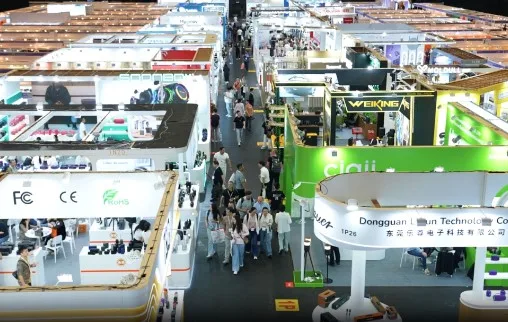
Expanding your supplier network is one of the smartest ways to build a stronger business. While online sourcing platforms offer convenience, nothing compares to meeting manufacturers face-to-face, examining product quality firsthand, and building long-term relationships in person. For importers, wholesalers, and private-label brands, international trade events remain one of the most effective places to discover trustworthy suppliers.
If you're planning your next buying trip, understanding how to maximize your experience can save both time and money. Here's the approach I use whenever I attend a major industry exhibition.
Why Trade Shows Still Matter
The global sourcing industry has evolved significantly, but trade shows continue to provide unique advantages that online communication simply cannot replace.
At an exhibition, I can:
- Compare multiple suppliers in one location.
- Inspect products before placing an order.
- Discuss customization directly with factory representatives.
- Negotiate pricing more efficiently.
- Build stronger business relationships.
Meeting suppliers face-to-face often reveals details that aren't obvious through emails or video meetings. Communication becomes clearer, and it's easier to evaluate whether a supplier truly understands your requirements.
Choosing the Right Trade Show
Not every exhibition offers the same value. Before booking flights and accommodation, I research events that specialize in my product category.
Large international exhibitions usually attract:
- Manufacturers
- OEM suppliers
- ODM companies
- Exporters
- Product designers
- Packaging specialists
- Logistics providers
One of the most recognized organizers in Asia is Global Sources, which hosts professional exhibitions connecting verified manufacturers with international buyers across numerous industries.
When planning a sourcing trade show visit, I always review the exhibitor list in advance and create a schedule of booths I want to visit. This helps me stay organized instead of wandering through thousands of exhibitors without a plan.
Prepare Before You Arrive
Successful buyers don't arrive unprepared.
Before attending, I create a checklist that includes:
Product Specifications
I bring detailed specifications covering:
- Materials
- Dimensions
- Colors
- Packaging
- Certifications
- Target pricing
Providing precise information helps suppliers understand exactly what I'm looking for.
Business Cards
Although digital communication is common, business cards remain useful during international exhibitions. Exchanging contact information is quick and professional.
Questions for Suppliers
I prepare questions regarding:
- Minimum order quantities
- Production capacity
- Lead times
- Sample availability
- Quality control
- Export experience
- Factory audits
Having prepared questions keeps every conversation focused and productive.
How to Evaluate Suppliers
Not every supplier displaying products is the right business partner.
During conversations, I pay attention to several factors.
Communication
A professional supplier answers questions clearly without avoiding difficult topics.
They should understand production requirements, shipping timelines, and customization requests.
Product Knowledge
Experienced manufacturers know their products thoroughly.
They can explain:
- Manufacturing process
- Material options
- Product improvements
- Industry standards
- Quality testing
This level of expertise usually indicates a well-established operation.
Booth Presentation
Although appearance isn't everything, organized booths often reflect organized businesses.
Professional catalogs, knowledgeable staff, and product samples suggest the company takes international buyers seriously.
Don't Focus Only on Price
Many new importers immediately ask for the lowest possible quotation.
I prefer discussing quality first.
An extremely cheap product often results in:
- Higher defect rates
- Shipping delays
- Poor packaging
- Customer complaints
- Costly returns
Instead, I compare suppliers based on overall value.
Reliable communication, consistent quality, and dependable production are worth far more than saving a few cents per unit.
Take Detailed Notes
After visiting multiple booths, supplier information quickly becomes difficult to remember.
I record:
- Company name
- Booth number
- Main products
- Pricing estimates
- Strengths
- Concerns
- Follow-up actions
Photographing products, catalogs, and business cards also helps organize information after returning home.
Build Relationships Instead of Making Immediate Decisions
Trade shows are excellent places to begin business relationships.
I rarely place large orders immediately.
Instead, I usually:
- Request samples.
- Compare product quality.
- Review quotations.
- Verify certifications.
- Conduct factory research.
- Place a small trial order.
This process reduces risk while giving suppliers an opportunity to demonstrate their reliability.
Ask About Manufacturing Capabilities
Every supplier has different production strengths.
Important questions include:
- Can they customize products?
- Do they provide private labeling?
- Can packaging be modified?
- What certifications are available?
- How many units can they produce monthly?
Understanding production capacity prevents future problems when business begins to grow.
Explore New Product Trends
Trade exhibitions are excellent places to identify emerging trends before competitors.
Manufacturers often introduce:
- New materials
- Updated designs
- Sustainable packaging
- Smart technology
- Innovative manufacturing techniques
Keeping up with these developments helps businesses stay competitive in changing markets.
Follow Up Quickly
Many buyers collect hundreds of business cards but never contact suppliers afterward.
Within a few days of returning home, I organize supplier information and send follow-up emails.
My message usually includes:
- Appreciation for the meeting
- Product specifications
- Quantity estimates
- Sample requests
- Questions discussed during the exhibition
Prompt communication demonstrates professionalism and keeps conversations moving toward production.
Why Global Sources Remains a Trusted Choice
Over the years, Global Sources has become one of the best-known names in international B2B sourcing. Its exhibitions attract manufacturers from across Asia while bringing together buyers from around the world.
The events cover numerous industries, including:
- Consumer electronics
- Home products
- Fashion
- Gifts
- Mobile accessories
- Lifestyle products
- Smart home technology
Because many exhibitors have experience serving international markets, buyers can often find suppliers capable of meeting global quality standards and export requirements.
Common Mistakes to Avoid
I've learned that a few simple mistakes can reduce the value of any trade show visit.
Avoid these common errors:
- Visiting without a sourcing plan.
- Speaking with too few suppliers.
- Ignoring product quality.
- Failing to verify company credentials.
- Making purchasing decisions too quickly.
- Forgetting to organize supplier information.
- Waiting weeks before following up.
Avoiding these mistakes makes the entire sourcing process smoother and far more productive.
Making Every Trade Show Visit Count
International exhibitions remain one of the most valuable opportunities for discovering reliable manufacturers and expanding supplier networks. By preparing carefully, asking the right questions, comparing multiple vendors, and following up professionally, buyers can build long-term partnerships that support business growth.
Whether you're launching a new product line or expanding an existing catalog, attending a reputable sourcing event organized by trusted brands like Global Sources offers the chance to evaluate products firsthand, strengthen supplier relationships, and make more informed purchasing decisions for the future.