
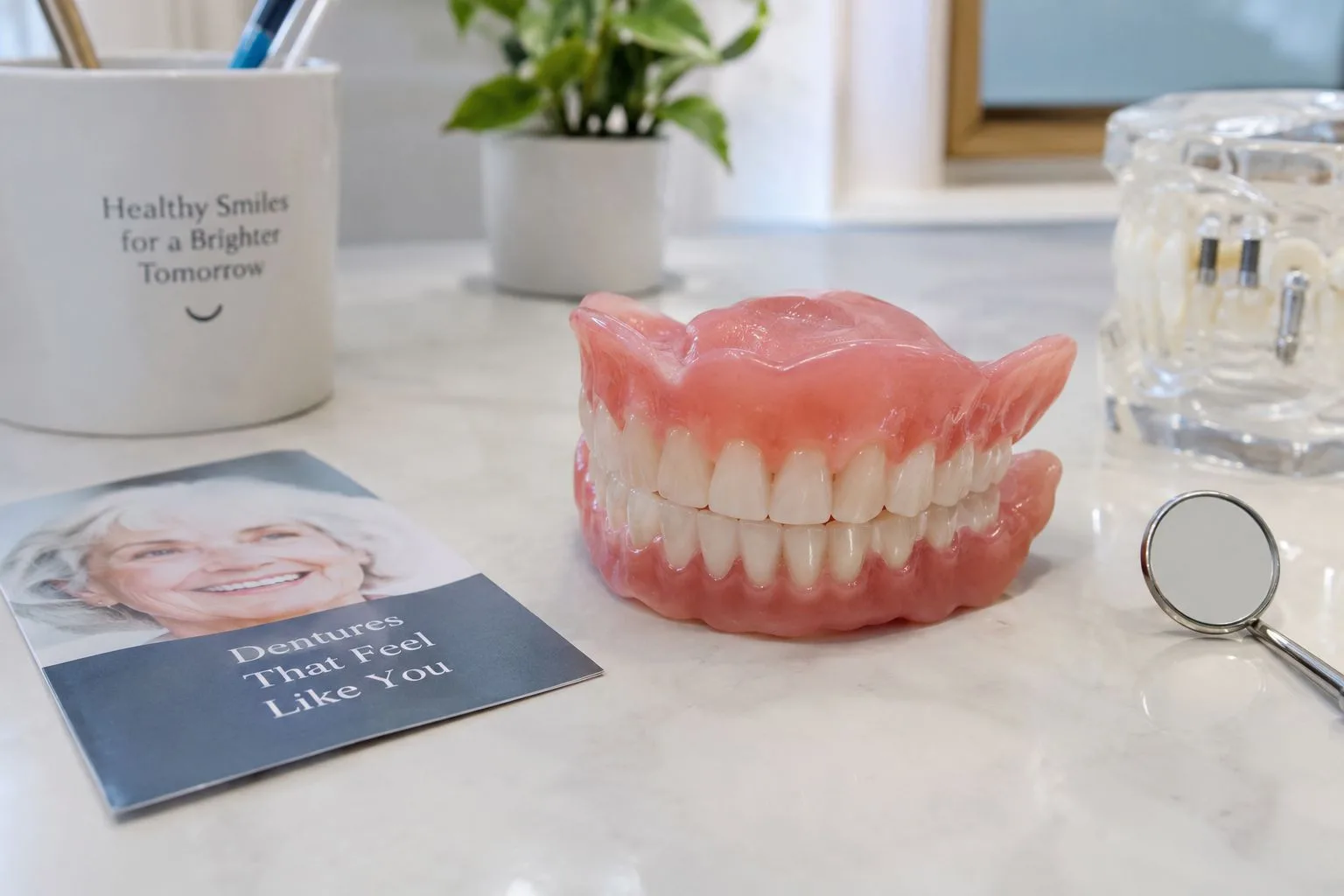
Losing teeth, whether from age, injury, or dental decay, changes more than just your smile. It affects how you eat, how you speak, and often how confident you feel walking into a room. The good news is that modern dentures have come a long way from the bulky, ill-fitting sets many of us remember from our grandparents' generation.
Today's dentures can look remarkably lifelike and sit comfortably against your gums for hours without slipping or rubbing. But getting that result depends entirely on finding the right team to make them. If you're searching for professional dentures in Macclesfield, this guide walks you through what actually matters, from materials to fit, so you can make a confident, informed choice.
Why Comfort and Appearance Both Matter
Dentures aren't just about replacing missing teeth. They're about giving you back the ability to laugh, chew your favourite foods, and speak clearly without worrying about clicking or shifting.
A poorly made set can cause sore spots, gum irritation, and even changes to your jaw shape over time. On the flip side, dentures that fit properly and look natural tend to disappear into your daily life. People stop thinking about their teeth and start focusing on everything else.
That's the standard worth aiming for, and it's entirely achievable with the right dental team.
What Makes Dentures Feel Uncomfortable in the First Place
Before looking at solutions, it helps to understand why some dentures fail to feel comfortable.
Poor Fit
Gums and jawbones change shape over time, especially after tooth loss. A denture that isn't customised to your current mouth shape will rock, slip, or press unevenly on your gums.
Outdated Materials
Older acrylic dentures can feel heavy and look artificial. Newer materials are lighter, more flexible, and shaded to match natural gum and tooth colour far more convincingly.
Lack of Professional Adjustments
Dentures aren't a one-and-done product. Your mouth continues to change after fitting, so ongoing adjustments are often needed to keep them comfortable long term. Skipping these check-ins is one of the most common reasons people end up unhappy with their dentures.
What to Look for When Choosing a Denture Provider
Not every dental practice approaches denture work the same way. Here's what separates a good experience from a frustrating one.
Custom Fitting Process
A trustworthy clinic offering professional dentures in Macclesfield will take detailed impressions of your mouth and involve you in trial fittings before finalising anything. This step alone makes a huge difference to comfort.
Material Quality
Ask what materials are used. Higher-grade acrylics and porcelain options tend to look more natural and last longer, even if they cost a little more upfront.
Experience and Reviews
Look for a dentist with genuine denture experience, not just general dentistry. Patient reviews, before-and-after photos, and case studies can tell you a lot about the results you can expect.
Pro tip: During your first consultation, ask to see examples of dentures the practice has made for other patients. A confident provider will be happy to show you their work.
The Denture Journey at Fence House Dental
At Fence House Dental, the process is built around getting the fit right the first time, and keeping it right afterwards.
Consultation and Assessment
Every case starts with a thorough assessment of your gums, jaw structure, and remaining teeth (if any). This helps determine whether full, partial, or implant-supported dentures are the best fit for you.
Impressions and Trial Fitting
Detailed impressions are taken to create a denture that matches your mouth precisely. A trial fitting lets you see and feel the result before the final version is made, so adjustments can be made early rather than after the fact.
Final Fitting and Aftercare
Once fitted, you'll receive guidance on care, cleaning, and what to expect during the adjustment period. Follow-up appointments are part of the process, not an afterthought, which is exactly what you want from any provider offering dentures in the local area.
“Did you know? Studies suggest it can take several weeks for your mouth muscles to fully adapt to new dentures, so early discomfort is often temporary rather than a sign something is wrong.”
Tips for Settling Into New Dentures
- Start with softer foods and gradually reintroduce firmer textures
- Practise reading aloud to help your tongue and cheeks adjust to speaking with dentures
- Use a denture adhesive if recommended, especially in the first few weeks
- Attend every follow-up appointment, even if things feel fine
- Clean your dentures daily to avoid staining and odour
Common mistake: many people give up too soon, assuming discomfort means the dentures were made wrong. In most cases, it simply means your mouth needs a little more time to adjust, and your dentist can help speed that along.
Ready to Smile with Confidence Again?
You don't have to settle for dentures that feel awkward or look obviously artificial. A well-made, well-fitted set can restore your bite, your speech, and your confidence, often more naturally than you'd expect.
If you're ready to explore professional dentures in Macclesfield, the team at Fence House Dental is here to guide you through every step, from your first consultation to your final fitting and beyond. Book a consultation today and take the first step toward a smile that feels like your own again.
Get in touch with Fence House Dental to book your denture consultation.
FAQs
1. How long does it take to get used to new dentures?
Most people need two to eight weeks to fully adjust, depending on whether they've worn dentures before. Speech and eating usually improve gradually as your mouth muscles adapt.
2. Will my dentures look natural?
Yes, when made by an experienced provider. Modern materials allow for realistic shading, shaping, and gum tone that closely matches your natural smile.
3. How often should dentures be replaced or relined?
Dentures typically need relining every one to two years and full replacement every five to eight years, as your gums and jawbone continue to change shape over time.
4. Can I eat normally with dentures?
Most foods become manageable with practice. It's best to start with softer options and gradually reintroduce firmer or chewier foods as you adjust.
5. Are implant-supported dentures better than traditional ones?
Implant-supported dentures offer extra stability and can feel more secure, but they aren't necessary for everyone. Your dentist can advise which option suits your jawbone health and lifestyle.