Rain is part of everyday life in the Netherlands, and having dependable outerwear can make commuting, cycling, walking, and travelling much more comfortable. However, choosing a raincoat is not simply about finding something that keeps water away. The right garment should also feel comfortable, fit your routine, withstand regular use, and work with your personal style.
With many brands offering different types of rainwear, knowing what to look for can make the buying process easier. From technical fabrics to sustainable materials and practical construction, several factors can help you identify a rainwear brand that is worth considering.
Choosing an Amsterdam Raincoat Brand for Everyday Weather
When comparing an Amsterdam raincoat brand, start by considering the conditions the clothing is designed to handle. Amsterdam weather can change quickly, so versatile rainwear can be useful throughout different seasons.
Look at whether the brand focuses on waterproof or water-resistant construction and whether it provides clear information about its materials and performance. A reliable company should make it reasonably easy to understand what its rainwear is designed to offer.
Also consider your own routine. Someone who cycles daily may have different requirements from someone who primarily walks around the city. Understanding your needs first can help narrow down your choices.
Look at Waterproof Performance
Waterproofing is one of the most important considerations when choosing rainwear. A quality raincoat should provide effective protection against the conditions you regularly encounter.
Different manufacturers use different technologies, including waterproof coatings, membranes, and layered fabrics. Some products may also include sealed or bonded seams to help reduce water penetration.
Instead of relying only on marketing terms, check the available technical specifications. Information about waterproof ratings, seam construction, closures, and fabric technology can provide a better understanding of how the garment is designed to perform.
Consider Breathability and Comfort
Staying dry from rain is only part of the equation. If you walk or cycle regularly, your body produces heat and moisture, making breathability an important consideration.
Breathable materials can allow water vapour to escape while maintaining protection from external rain. This can make a significant difference during longer journeys or active commuting.
A good rainwear brand should provide information about how its fabrics manage moisture and ventilation. Consider this alongside waterproofing rather than treating the two features separately.
Pay Attention to Fabric and Material Choices
Material quality can influence the comfort, durability, weight, and appearance of a raincoat.
Modern rainwear may use technical polyester, recycled fibres, membrane fabrics, coated materials, or combinations of different textiles. If sustainability is important to you, check the specific material composition instead of relying on a general environmental claim.
It can also be useful to consider where the garment is manufactured and whether the company provides information about its production process.
Transparent product information makes it easier to make an informed purchasing decision.
Find a Fit That Works for Your Lifestyle
Fit is another important factor. A raincoat should provide enough space for movement and, when necessary, additional layers underneath.
Think about how you normally dress during rainy weather. If you wear sweaters or thicker clothing in colder months, you may want additional room. If you primarily wear the coat during mild weather, a closer fit may be preferable.
Length matters too. Longer raincoats can offer additional coverage, while shorter designs may provide greater freedom of movement. Cyclists may prefer designs that accommodate an active riding position.
Examine Practical Features
Small details can have a major impact on everyday usability.
Look for features such as adjustable hoods, secure zippers, practical pockets, adjustable cuffs, and comfortable closures. A well-designed hood can provide useful protection without obstructing your view.
For cyclists and commuters, reflective details can also be helpful, particularly during darker mornings and evenings.
Think about what you actually need rather than choosing a coat simply because it has the longest list of features.
Consider Durability
A raincoat that is worn frequently needs to cope with repeated use. Check the construction quality, fabric, stitching, zippers, and other components.
Durability is also connected to sustainability. A garment that remains useful for several years can offer better long-term value and reduce the need for frequent replacement.
Look at customer feedback where available, but also pay attention to the manufacturer's care instructions. Proper maintenance can help preserve the coat's performance and appearance.
Look for Sustainable Approaches
Many consumers are now interested in how their clothing is made. When assessing a rainwear brand, consider whether it provides information about recycled materials, responsible production, fabric certifications, or manufacturing locations.
Sustainability is a broad subject, so one material or certification does not tell the entire story. Consider the complete product, including durability, materials, production, care, and expected lifespan.
An Amsterdam raincoat brand that communicates clearly about these areas can make it easier for customers to understand the product they are purchasing.
Consider Design and Versatility
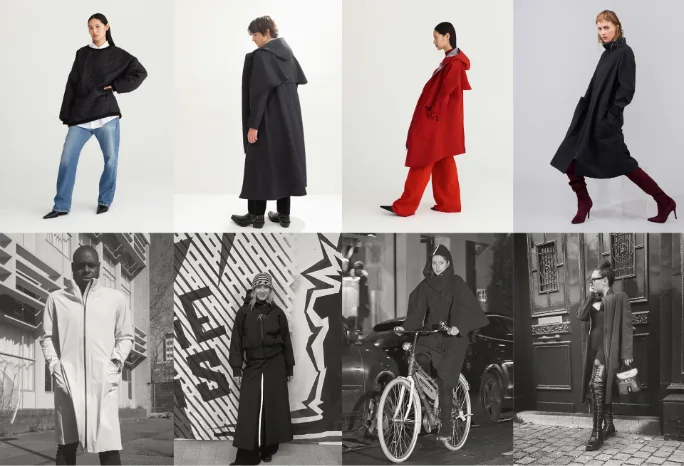
Rainwear does not have to look purely functional. Modern coats can combine technical performance with clean silhouettes and versatile styling.
A neutral-coloured raincoat can work with jeans, trousers, skirts, dresses, and different footwear. This versatility can make the garment useful beyond rainy commutes.
Check Care and After-Sales Support
Before purchasing, check how the raincoat should be washed, dried, and stored. Technical fabrics may require specific care to maintain their performance.
It is also worth checking whether the brand provides information about repairs, returns, warranties, or other after-sales services. These details can be useful when investing in quality outerwear.
Conclusion
Finding the right Amsterdam raincoat brand involves looking beyond appearance. Waterproofing, breathability, materials, fit, durability, practical features, sustainability, and after-sales support can all help you make a more informed choice. BYBROWN offers contemporary rainwear designed around the needs of modern urban life, combining practical weather protection with a considered approach to design.
Frequently Asked Questions
1. What should I check before choosing an Amsterdam raincoat brand?
Look at waterproof performance, breathability, fabric composition, fit, durability, practical features, care instructions, and the brand's approach to production.
2. Is breathability important for an Amsterdam raincoat?
Yes. Breathable construction can help manage body moisture, particularly when walking or cycling for longer periods.
3. What length of raincoat is best for city use?
The ideal length depends on your routine. Longer coats offer more coverage, while shorter styles can provide greater freedom of movement.
4. Are sustainable materials available in Amsterdam rainwear?
Yes. Some brands use recycled fibres and other considered materials in their rainwear. Check individual product specifications for exact details.