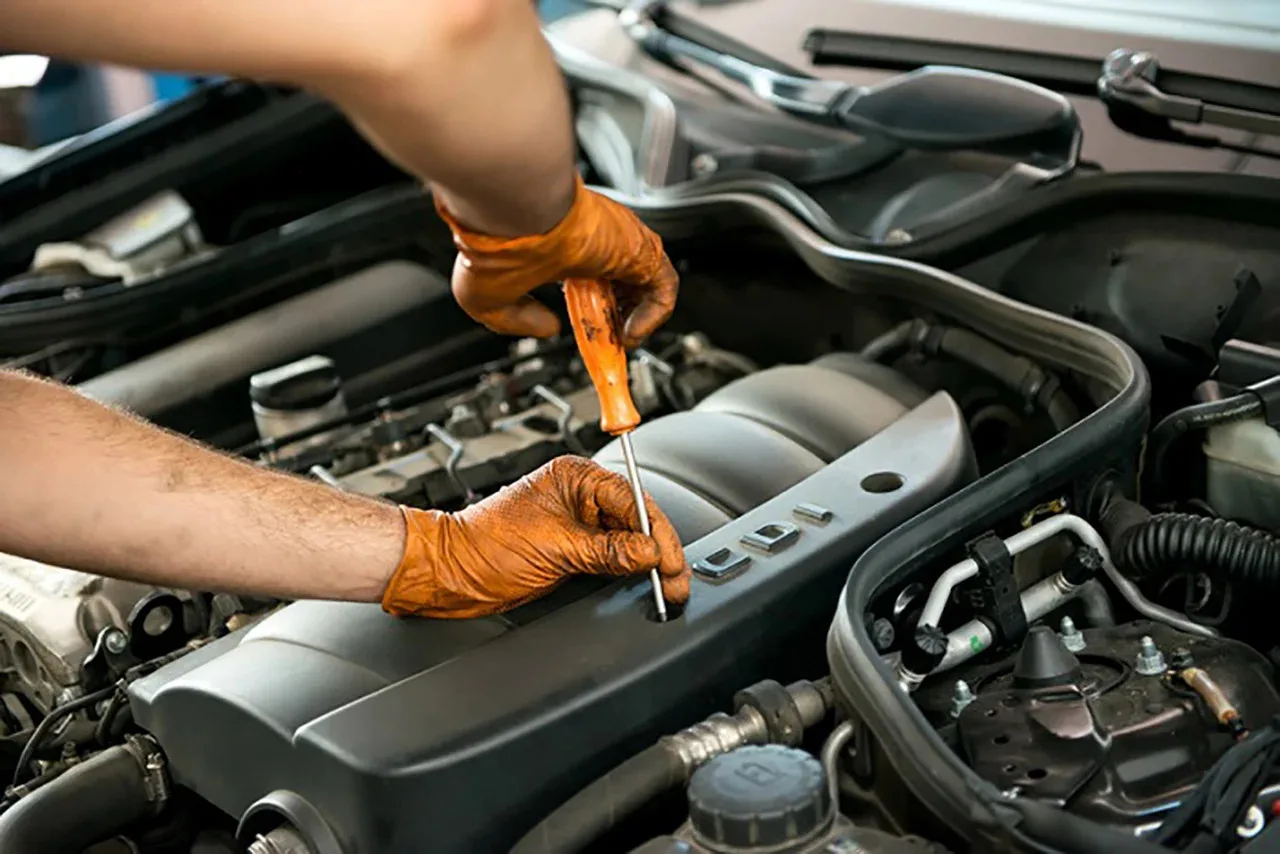
A Ford engine is designed to deliver reliable performance and durability, but like any vehicle, its lifespan depends on proper maintenance and responsible driving habits. Whether you own a sedan, SUV, ute, or commercial vehicle, taking proactive steps to care for your engine can help you avoid expensive repairs and keep your Ford running smoothly for years.
Proper upkeep also improves fuel economy, lowers emissions, and helps maintain the vehicle’s trade-in value. Below are straightforward, practical tips to help maximise your engine’s longevity.
Follow the Recommended Service Schedule
The most effective way to maximise your engine's lifespan is by following the manufacturer's recommended service intervals. Routine servicing allows mechanics to inspect key components, replace worn parts, and identify minor issues before they become costly repairs.
A scheduled service includes:
● Engine oil and filter replacement
● Air filter inspection or replacement
● Spark plug checks
● Coolant inspection
● Belt and hose examination
● Battery and fluid level checks
Skipping regular services can lead to premature engine wear and reduced performance.
Change Engine Oil Regularly
Engine oil is essential for lubricating moving parts, reducing friction, and preventing overheating. Over time, oil becomes contaminated with dirt, debris, and combustion by-products, reducing its effectiveness.
Using the correct oil grade recommended for your Ford model and changing it at the recommended intervals helps:
● Protect internal engine components
● Improve fuel efficiency
● Reduce engine wear
● Prevent sludge build-up
Always replace the oil filter whenever the engine oil is changed to maintain optimal oil flow.
Monitor Coolant Levels
Your engine generates significant heat during operation. The cooling system regulates this temperature and prevents overheating.
Check the coolant level regularly and ensure the coolant mixture is suitable for your climate. If you notice coolant leaks or frequent overheating, have the system inspected immediately.
Ignoring cooling system problems can result in severe engine damage, including blown head gaskets or warped cylinder heads.
Replace Air Filters When Needed
A clean air filter allows sufficient airflow into the engine, supporting efficient fuel combustion.
A clogged air filter can:
● Reduce engine power
● Increase fuel consumption
● Cause rough idling
● Put unnecessary strain on the engine
Inspect your air filter during routine servicing and replace it when it becomes dirty or blocked.
Drive Smoothly and Avoid Aggressive Acceleration
Driving habits influence engine longevity.
Rapid acceleration, harsh braking, and consistently driving at high RPM place additional stress on engine components.
Instead:
● Accelerate
● Maintain steady speeds where possible
● Avoid excessive idling
● Reduce heavy towing unless your vehicle is designed for it
Gentle driving helps minimise wear on pistons, bearings, and other critical engine parts.
Allow the Engine to Warm Up Naturally
Modern Ford engines don't require long warm-up periods, but giving the engine a short period to circulate oil before demanding maximum performance is beneficial.
During cold starts:
● Drive gently for the first few minutes.
● Avoid high engine speeds until the engine reaches normal operating temperature.
This allows engine oil to properly lubricate internal components.
Use High-Quality Fuel
Using quality fuel helps maintain cleaner fuel injectors and supports efficient combustion.
Poor-quality fuel may contribute to carbon deposits, reduced performance, and lower fuel economy over time.
If your Ford model recommends premium fuel, follow those guidelines to ensure optimal engine performance.
Check Warning Lights Promptly
Dashboard warning lights are designed to alert you to potential problems before they become serious.
Never ignore:
● Check Engine Light
● Oil Pressure Warning
● Coolant Temperature Warning
● Battery Warning Light
Prompt diagnosis can prevent small issues from developing into major engine failures.
Keep the Cooling System Clean
The radiator, thermostat, water pump, and cooling fans all work together to regulate engine temperature.
Over time, coolant breaks down and stops protecting the system the way it should.
That can allow rust and corrosion to build up inside the cooling system.
Regular coolant flushes help:
● Prevent rust build-up
● Improve cooling efficiency
● Extend component life
● Protect the engine from overheating
Listen for Unusual Noises
Strange engine noises indicate developing mechanical problems.
Watch for:
● Knocking sounds
● Ticking noises
● Grinding
● Excessive vibration
Early diagnosis leads to simpler and less expensive repairs.
Keep the Engine Clean
A clean engine bay makes it easier to identify oil leaks, coolant leaks, cracked hoses, or damaged wiring.
Remove accumulated dirt and inspect the engine for signs of wear or fluid leaks.
Routine visual inspections can help catch problems before they escalate.
Replace Worn Parts Before They Fail
Components such as belts, hoses, spark plugs, and ignition coils wear over time.
Replacing these parts as recommended helps prevent unexpected breakdowns and reduces stress on the engine.
Preventative maintenance is more affordable than repairing extensive engine damage caused by neglected components.
Conclusion
Extending the life of your Ford engine doesn't require complicated maintenance; it involves consistent care and attention. Regular servicing, timely oil changes, proper cooling system maintenance, quality fuel, and responsible driving habits all contribute to better engine performance and long-term reliability.
Staying on top of basic maintenance helps lower repair bills, boost fuel mileage, and keep your Ford performing well over time. A small effort now can prevent bigger mechanical problems later and help your vehicle stay in good shape for the long run.