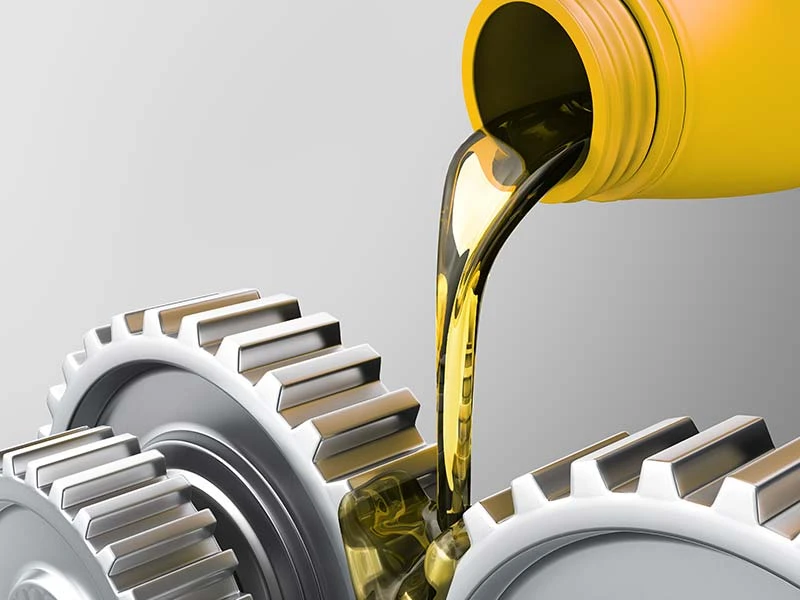
Lubricant additives are chemical compounds added to base oils to enhance their properties and counteract the effects of oil degradation. Here's how the right additives can make your oil last longer:
1. Antioxidants: Fighting Oxidation
Antioxidants are essential in preventing the breakdown of oil due to oxygen and heat. They help maintain the oil’s chemical stability, especially at high temperatures, which slows down thickening and sludge formation.
Benefits:
- Reduces oil thickening
- Prevents varnish and sludge
- Extends oil drain intervals
2. Detergents and Dispersants: Keeping Engines Clean
Detergents neutralize acids and clean deposits on metal surfaces, while dispersants suspend dirt and soot particles in the oil, preventing them from forming sludge or varnish.
Benefits:
- Prevents harmful buildup
- Keeps oil clean and effective longer
- Improves engine cleanliness and efficiency
3. Viscosity Index Improvers: Maintaining Oil Consistency
These additives help the oil maintain a stable viscosity across temperature extremes. This means your oil remains thick enough to protect during high heat and thin enough to flow easily when cold.
Benefits:
- Ensures optimal lubrication at all temperatures
- Reduces oil consumption
- Minimizes mechanical wear
4. Anti-Wear Agents: Reducing Friction and Damage
While not directly responsible for oil life, anti-wear additives reduce friction between metal surfaces, which minimizes wear and extends the life of both the oil and the engine.
Benefits:
- Protects components under high load
- Supports longer oil and equipment life
5. Corrosion and Rust Inhibitors
These additives form a protective film on engine components, preventing corrosion caused by moisture, acids, or combustion by-products.
Benefits:
- Extends the oil’s protective capabilities
- Reduces internal rust and corrosion
Choosing the Right Additives
When selecting engine oil, look for high-quality formulations that include a balanced additive package. Premium oils are designed with specific additive blends tailored to engine type, usage conditions, and regulatory standards.
Pro tip: For commercial fleets or industrial machinery, consider oil analysis to monitor additive levels and determine when to change oil for maximum performance and cost-effectiveness.
Conclusion
The right lubricant additives don’t just improve oil—they protect your investment. By preventing premature breakdown, reducing deposits, and maintaining performance, these additives extend oil life and enhance engine reliability.