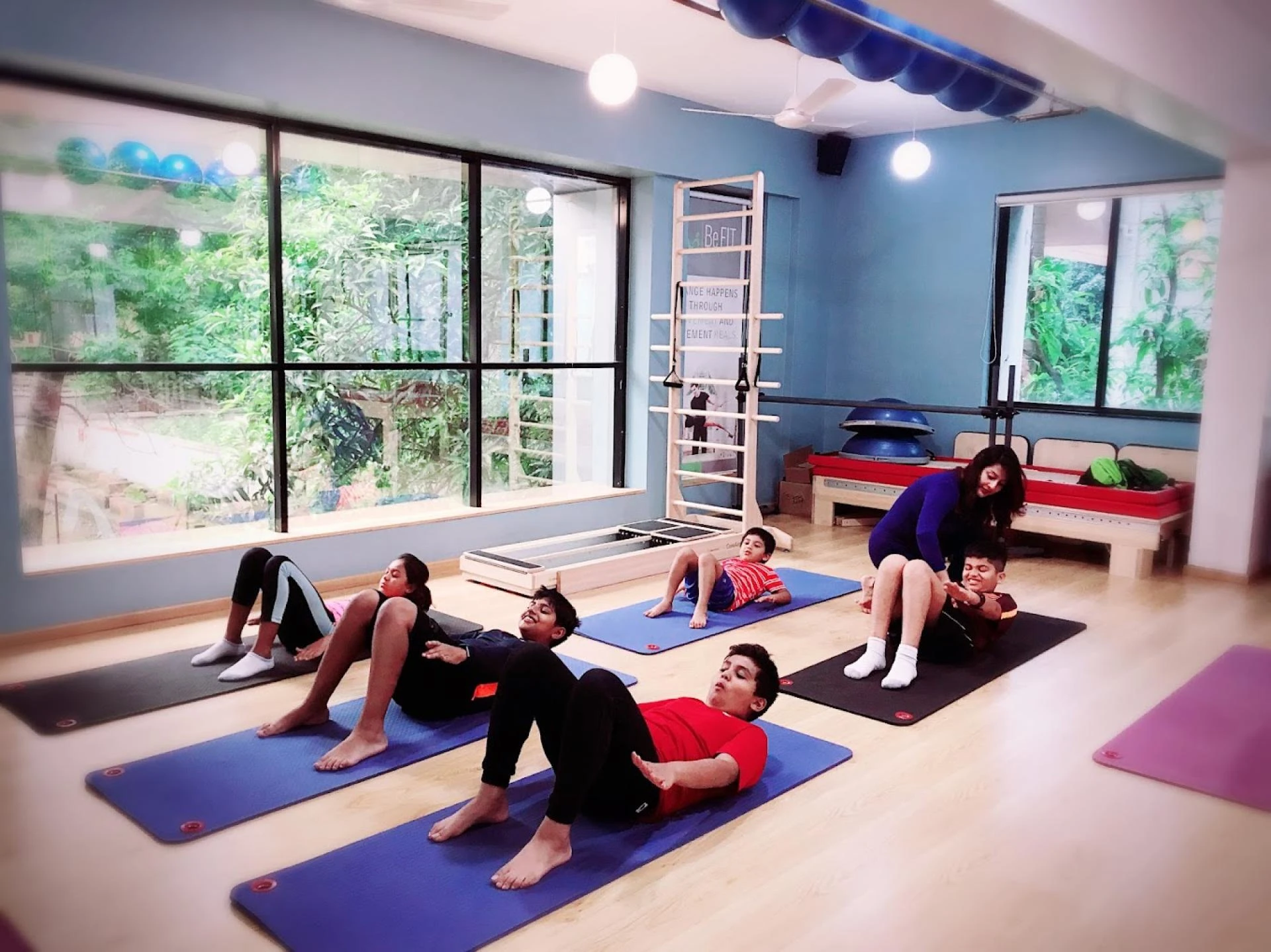

Setting up a Balanced Body Pilates Training Center can be a fulfilling venture for those passionate about promoting health and wellness through Pilates. This comprehensive guide outlines key steps to ensure your training center not only attracts clients but thrives in the competitive fitness industry.
1. Define Your Vision and Business Plan
Begin by establishing a clear vision for your training center. Determine the range of classes you plan to offer, such as mat-based Pilates, reformer sessions, private instruction, or advanced workshops. A robust business plan should include market research, target demographics, pricing strategies, marketing plans, and financial projections.
A well-structured business plan is vital for securing funding through personal investment, loans, or investors. Thorough market research helps you understand local demand, identify service gaps, and position your center to meet specific needs.
2. Select an Ideal Location
Location is a critical factor in the success of your Pilates training center. Choose a space that is easily accessible, offers ample parking, and is situated in an area with a high demand for fitness services. Locations near residential neighborhoods, office hubs, or shopping centers can attract a steady stream of clients.
Consider the size and layout to ensure there’s enough space for equipment, movement, and a comfortable atmosphere. A well-lit, inviting environment enhances client experience and encourages repeat visits.
3. Secure Certifications and Licenses
Obtaining proper Pilates instructor certifications is essential for credibility and client safety. These certifications provide comprehensive training in techniques, anatomy, and teaching methodologies, ensuring you and your staff are well-equipped to deliver high-quality sessions.
Additionally, obtain the necessary business permits, zoning approvals, and liability insurance to comply with local regulations. Ensuring legal and safety compliance safeguards your business from potential risks.
4. Invest in High-Quality Equipment
The equipment needed will depend on the classes you plan to offer. Mat-based Pilates requires minimal investment, whereas reformer classes need specialized machines such as reformers, Cadillac machines, stability chairs, and barrels.
Choose durable, professional-grade equipment to ensure client safety and create a professional atmosphere. Consider leasing or purchasing pre-owned equipment from reputable sources to manage costs effectively.
5. Hire Qualified and Passionate Instructors
If you plan to employ additional instructors, ensure they are experienced and certified. Skilled instructors with strong technical abilities and a passion for client success are essential for delivering exceptional sessions.
Offer professional development opportunities, such as advanced training or workshops, to keep instructors motivated and knowledgeable. This approach ensures the quality of instruction remains consistently high.
6. Develop a Competitive Pricing Strategy
Set a pricing structure that balances profitability with client affordability. Analyze competitor pricing and consider offering various payment options, including class packages, memberships, and drop-in rates.
Promotional strategies like introductory offers, referral discounts, or seasonal deals can attract new clients. A well-planned pricing model ensures a steady revenue stream while making your services accessible.
7. Implement a Comprehensive Marketing Plan
A robust marketing strategy is vital for building brand awareness and attracting clients. Leverage digital marketing techniques, including social media campaigns, search engine optimization (SEO), and email newsletters. Highlight class schedules, client testimonials, and the benefits of Pilates in your content.
Engage with local businesses, offer complimentary trial classes, and collaborate with wellness professionals to expand your network. Encourage satisfied clients to leave positive reviews online, as word-of-mouth recommendations are powerful tools for growth.
8. Prioritize Client Experience and Retention
Retaining clients is as crucial as attracting new ones. Maintain a clean, welcoming, and professional environment that fosters positive client experiences. Personalize sessions, remember client preferences, and build a supportive community to encourage loyalty.
Host special events, workshops, and wellness programs to keep engagement levels high. Flexible scheduling and excellent customer service further contribute to client satisfaction and long-term retention.
9. Streamline Studio Management
Efficient day-to-day operations are essential for running a successful training center. Invest in reliable booking and payment systems to simplify class reservations, manage memberships, and track attendance.
Utilizing client management software can automate scheduling, payment processing, and communication, freeing up time to focus on delivering high-quality sessions.
10. Continuously Evaluate and Adapt
Staying competitive requires ongoing evaluation and adaptation. Regularly assess business performance, gather client feedback, and stay informed about emerging trends in Pilates and wellness.
Consider expanding services by introducing new class styles, online sessions, or complementary offerings like nutrition coaching and mindfulness workshops. Keeping your training center innovative and fresh will ensure long-term success.
Conclusion
Establishing a Balanced Body Pilates Training Center demands careful planning, dedication, and a genuine passion for fitness. By focusing on quality instruction, exceptional client experiences, and strategic marketing, you can create a thriving training center that attracts clients and fosters a strong, loyal community. With the right approach, your Pilates training center can become a rewarding and successful business venture.