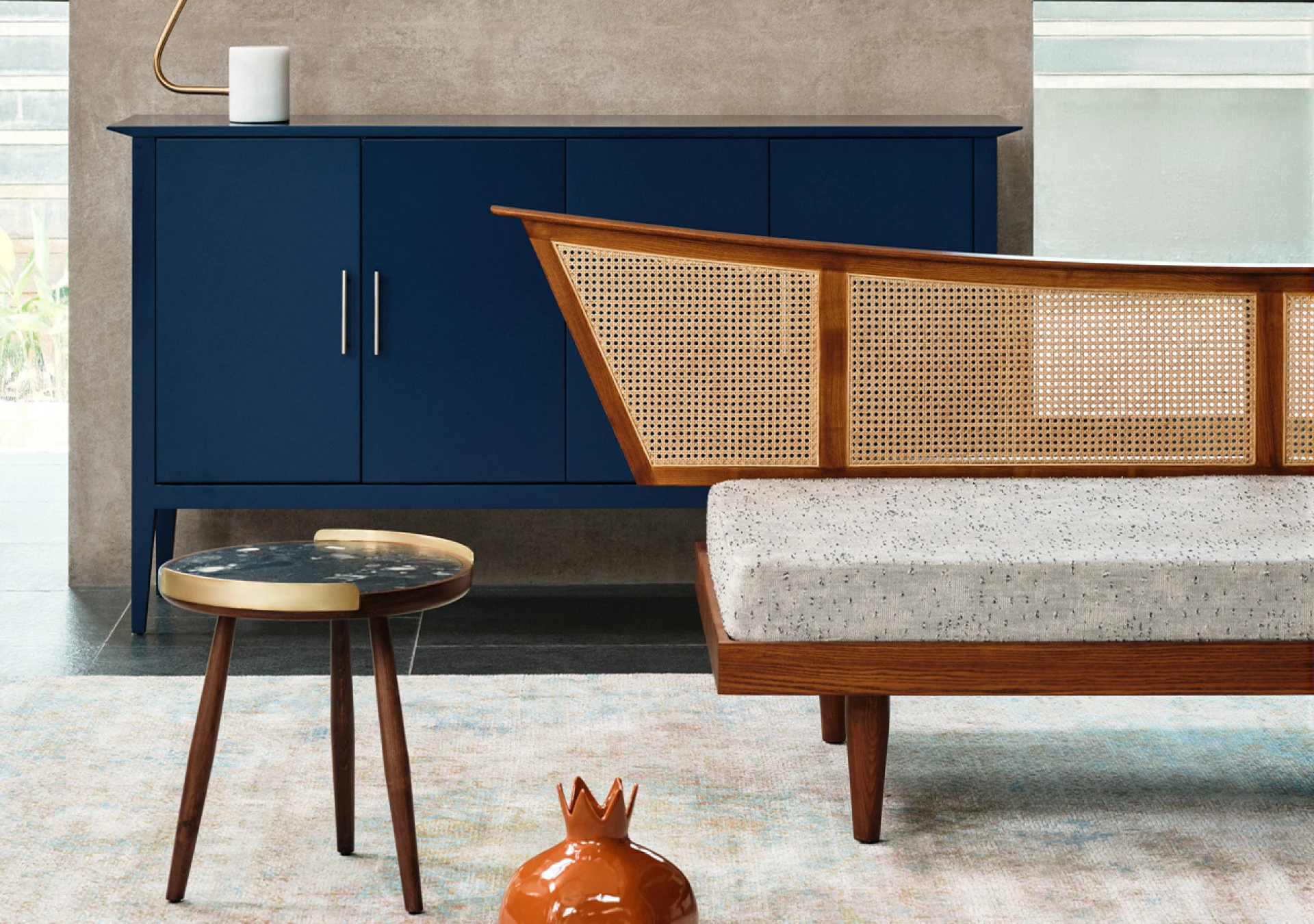
The living room is the heart of a home. It’s where families unwind after long days, guests are welcomed, and everyday moments turn into shared memories. Designing a space that feels both inviting and practical takes more than just good taste—it requires thoughtful planning, smart layout choices, and the right living room furniture to support how you actually live.
Whether you’re setting up a new home or refreshing an existing space, here’s how to design a living room that feels warm, comfortable, and effortlessly functional.
Start with a Layout That Encourages Connection
Before choosing furniture or décor, focus on the layout. A welcoming living room allows people to move easily and interact naturally. Arrange seating so that conversations feel effortless—chairs and sofas should face each other rather than the television alone.
In compact spaces, avoid pushing all furniture against the walls. Floating your sofa slightly inward can create a cozier, more intentional seating area. For larger rooms, zoning helps—define areas for lounging, reading, or casual conversations without making the space feel cluttered.
A well-planned layout ensures that your living room furniture supports movement and interaction rather than blocking it.
Choose Seating That Balances Comfort and Style
Seating is the foundation of a functional living room. The goal is to create a space where people want to sit, relax, and stay awhile.
Sofas should offer proper back support and comfortable seat depth, especially if the living room is used daily. Accent chairs add flexibility and personality, while ottomans or pouffes can serve as extra seating when guests arrive.
Mixing different seating types adds visual interest and ensures the room feels layered rather than flat. When chosen thoughtfully, living room furniture can feel inviting without sacrificing aesthetics.
Use a Coffee Table That Brings People Together
The coffee table often acts as the anchor of the living room. It holds everything from books and beverages to décor and daily essentials, making it both functional and decorative.
Choose a table that suits the scale of your seating—too large and it overwhelms the room, too small and it feels disconnected. Rounded edges work well in family homes and smaller spaces, while rectangular tables suit structured layouts.
Materials matter too. Wooden tables add warmth and texture, while minimal designs keep the space visually light.
Layer Lighting for Warmth and Practicality
Lighting plays a major role in how welcoming a living room feels. Relying on a single overhead light can make the space feel flat and uninviting.
Layer different light sources to create depth. Ambient lighting provides overall brightness, while floor lamps or table lamps add warmth and intimacy. Accent lighting can highlight artwork or architectural features, adding character to the room.
A well-lit living room feels comfortable at all times of day and supports everything from reading to entertaining.
Select Colors and Textures That Invite Comfort
Color choices influence mood more than we realize. Warm neutrals, earthy tones, and soft pastels tend to make living rooms feel more inviting than harsh or overly bold shades.
Textures add another layer of comfort. Cushions, throws, rugs, and curtains soften the space and make it feel lived-in rather than staged. Mixing materials like wood, fabric, and metal creates balance and visual interest.
The right combination of color and texture ensures your living room feels relaxed without appearing cluttered.
Keep Storage Smart and Subtle
A functional living room stays organized. Clutter can quickly make even the most beautiful space feel chaotic.
Incorporate storage that blends seamlessly with your décor. Sideboards, media units, or shelves can hold books, electronics, and everyday items while maintaining a clean look. Closed storage keeps the space visually calm, while open shelving allows for personal touches.
When storage is well-integrated, living room furniture supports both practicality and style.
Add Personal Touches Without Overcrowding
What truly makes a living room welcoming is personality. Artwork, family photos, travel finds, or meaningful objects bring warmth and individuality to the space.
The key is moderation. Choose a few statement pieces rather than filling every surface. This allows each element to stand out and keeps the room feeling balanced.
Personal touches should enhance the space, not overwhelm it.
Make Room for Flexibility
Modern living rooms often serve multiple purposes—lounging, working, entertaining, or even exercising. Designing with flexibility in mind ensures the space adapts to changing needs.
Lightweight chairs, movable ottomans, and modular seating allow you to reconfigure the room easily. This adaptability keeps the living room functional as lifestyles evolve.
Final Thoughts
Designing a living room that feels welcoming and functional is about thoughtful choices rather than excess. With a well-planned layout, comfortable seating, layered lighting, and carefully selected living room furniture, you can create a space that feels inviting every day.
When design supports how you live, your living room becomes more than just a space—it becomes a place where comfort, connection, and everyday life come together naturally.