A home bar is never just storage. Done right, it pulls people in — focal point, taste statement, the spot where actual memories get made. But getting there takes more than lining bottles on a shelf. Location, gear, atmosphere — all three have to work together. The practical version? How to build a bar people genuinely don't want to leave.
Finding the Right Spot
Location shapes everything downstream. Find where guests naturally drift — basement corner, dining room wall, a dedicated room if the square footage allows. Traffic flow matters more than most people realize. So does lighting; dim and moody reads completely different than harsh overhead fluorescents. Proximity to a sink counts, too. Rinsing tools mid-session gets old fast when the kitchen is a full hallway away. Four to six feet of counter space at minimum — enough for whoever's pouring plus a guest or two crowding in. And don't skip ventilation. Alcohol vapors and ice mist build up faster than expected in any closed-off room.
Essential Equipment and Spirits
The toolkit doesn't need to be fancy. Shaker, jigger, bar spoon, muddler, strainer, bottle opener. Six tools. That's genuinely it — those six cover the bulk of whatever you'll actually make. Spirits are a different matter entirely. Don't buy everything at once. Five to seven solid mid-range bottles will outperform a chaotic shelf of half-empty premium stuff; no contest. Mixers deserve equal attention — tonic water, soda water, simple syrup, fresh citrus, bitters. Not afterthoughts. These are the genuine backbone of almost every classic recipe worth making. Glassware rounds it out: rocks glasses, highballs, coupes, wine glasses. The right vessel matters more than most casual hosts ever admit.
Organizing and Displaying Your Setup
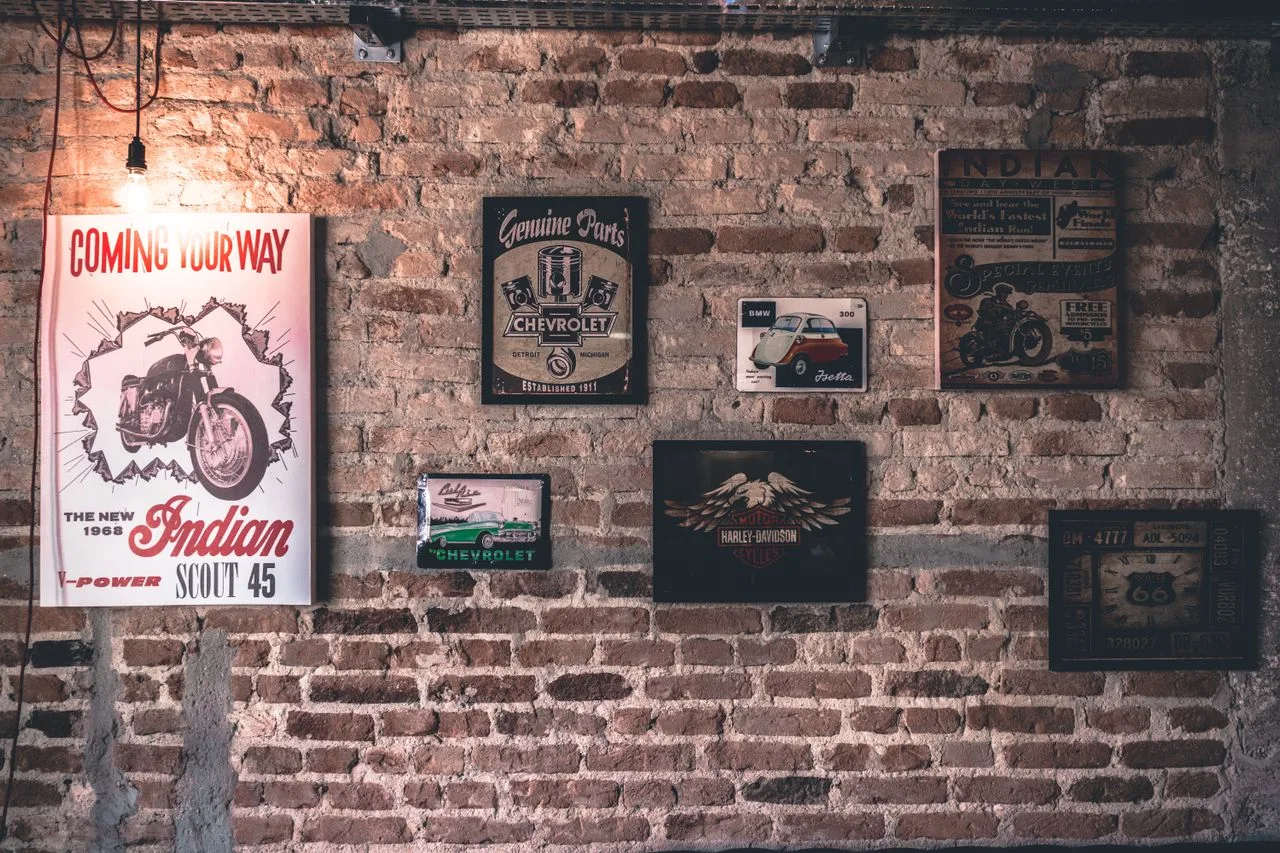
Chaos kills efficiency. Full stop. Arrange spirits by type or by how often you reach for them — no scavenger hunts mid-pour. Your primary mixing zone stays clear and close; tools, bitters, garnishes all within arm's reach. Less-used items get lower shelves or cabinet doors. Open shelving works beautifully for glassware you actually use — arranged by type, it reads as intentional rather than cluttered. Small items like jiggers and strainers vanish constantly, so drop them into a decorative container or a basic drawer organizer. For hosts who want the space to feel genuinely finished, working with a sign company in Phoenix can produce custom neon lettering, branded bar plaques, or bespoke signage that ties the whole aesthetic together.
Building an Atmosphere That Keeps People There
Setup is only half of it. Atmosphere is what keeps people planted instead of drifting off after one drink. Lighting does serious heavy lifting here — dimmer switches, accent lights, even a strand of warm Edison bulbs can shift a room's entire mood. Background music at conversational volume adds energy without steamrolling actual talking. Then there's the small stuff. Quality ice. Fresh garnishes — citrus wheels, herbs, whatever's in season. A little charcuterie board nearby. These details signal that real thought went into this. Guests notice. They may never say it out loud, but they feel it — and they come back.
Conclusion
A bar worth talking about gets built in layers. Smart location first. Then quality spirits and the tools to actually use them well. Organize so everything functions under pressure — not just when the night is calm. And then, where most people stop short, pour real attention into atmosphere. Lighting, music, garnishes, a custom sign anchoring the wall. None of it is complicated on its own. But stacked together? These choices turn a functional corner into a genuine destination. Serious cocktail nerd or casual host who just loves a good gathering — the effort pays off every single time people walk through the door.