
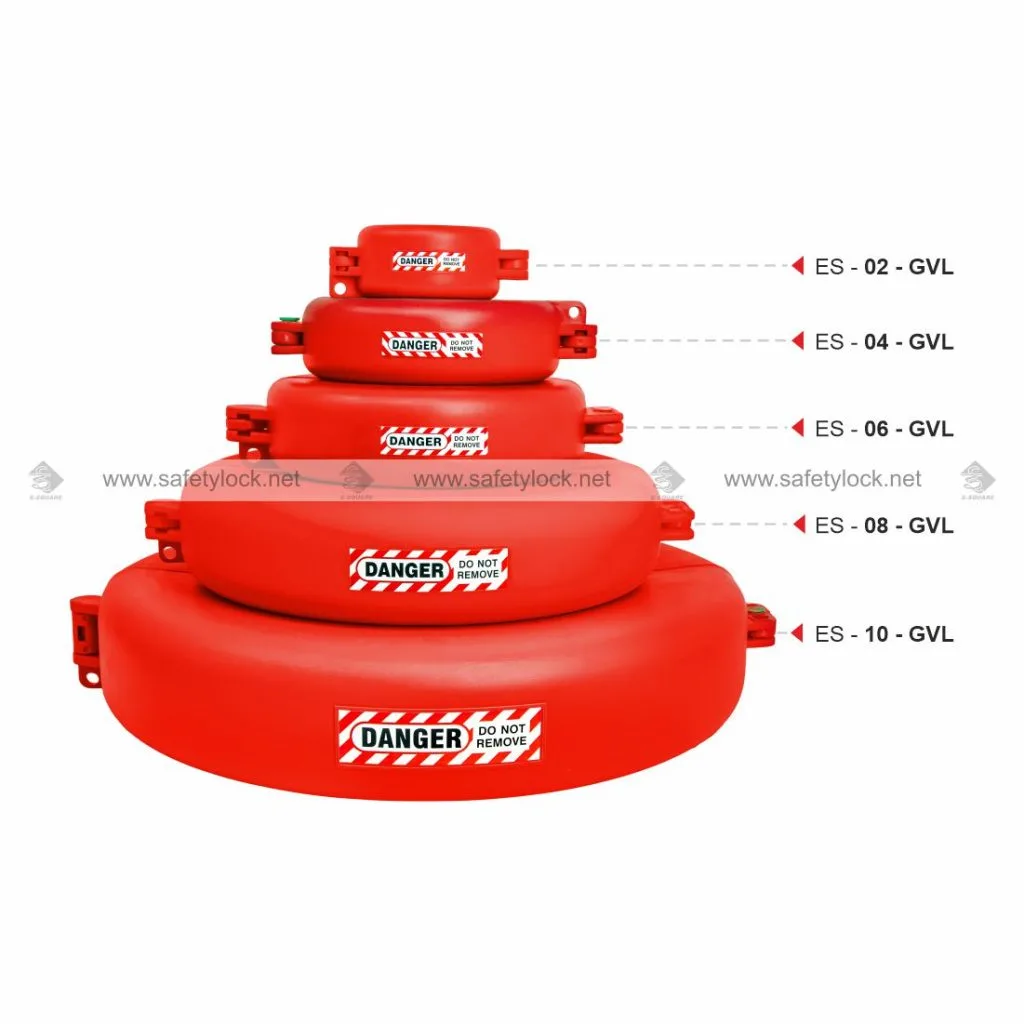
In any industrial environment, controlling hazardous energy is not just a regulatory requirement, it’s a critical component of workplace safety. From chemical processing plants to manufacturing units, uncontrolled energy release can lead to severe injuries, equipment damage, and costly downtime. One of the most effective ways to mitigate these risks is through the use of industrial-grade valve lockout devices as part of a robust Lockout Tagout program.
Understanding Hazardous Energy in Industrial Settings
Hazardous energy comes in many forms - mechanical, electrical, hydraulic, pneumatic, chemical, and thermal. Valves are commonly used to control the flow of these energy sources, especially in pipelines carrying gases, liquids, or steam.
When maintenance or servicing is required, simply turning off a valve is not enough. Without proper isolation and locking mechanisms, there’s always a risk of accidental or unauthorized operation.
What are Industrial-Grade Valve Lockout Devices?
Valve lockout devices are specialized safety tools designed to secure valves in a safe position - typically the “off” or “closed” state. These devices physically prevent the valve from being operated until the lockout is removed by authorized personnel.
Industrial-grade variants are built for durability and reliability. Valve Lockouts are designed to withstand harsh environments, including extreme temperatures, corrosive chemicals, and heavy mechanical wear.
Why Valve Lockout Devices are Essential?
1. Prevents Accidental Activation
Valve lockouts ensure that energy sources remain isolated during maintenance. This eliminates the risk of sudden release, which can be catastrophic.
2. Enhances Compliance with Safety Standards
Regulatory bodies mandate strict LOTO procedures. Using proper valve lockout devices helps organizations stay compliant and avoid penalties.
3. Reduces Human Error
Even experienced operators can make mistakes. Lockout devices add a physical barrier that compensates for lapses in attention or communication.
4. Promotes Accountability
Most lockout systems use individual padlocks, ensuring that only the person who applied the lock can remove it. This creates a clear chain of responsibility.
Types of Valve Lockout Devices:
Different valves require different lockout solutions. Choosing the right type is crucial for effectiveness:
- Ball Valve Lockouts - Designed to secure quarter-turn valves in the off position.
- Gate Valve Lockouts - Encase the valve handle, preventing rotation.
- Butterfly Valve Lockouts - Clamp onto the valve handle to restrict movement.
- Plug Valve Lockouts - Ideal for plug valves with removable handles.
- Universal Valve Lockouts - Versatile solutions that can be adjusted to fit various valve types.
Best Practices for Using Valve Lockout Devices:
Conduct a Risk Assessment: Identify all energy sources and determine which valves require lockout during maintenance.
Standardize Lockout Procedures: Create clear, documented procedures for isolating and locking each type of valve.
Train Your Workforce: Ensure employees understand how to properly apply and remove lockout devices. Training should be ongoing and updated regularly.
Use High-Quality Devices: Invest in industrial-grade lockouts that meet safety standards and are built for your specific environment.
Perform Regular Inspections: Audit your lockout tagout procedures and equipment to ensure they remain effective and compliant.
Common Mistakes to Avoid:
- Relying solely on tags without physical lockout devices
- Using makeshift or non-certified locking tools
- Failing to verify zero energy state before starting work
- Allowing unauthorized removal of lockout devices
- Neglecting periodic training and audits
The Role of Safety Culture:
While tools and procedures are essential, they are only as effective as the culture that supports them. Organizations that prioritize safety from leadership to frontline workers - see significantly better outcomes.
Encouraging reporting, conducting regular safety drills, and recognizing compliance can reinforce the importance of proper lockout practices.
Final Thoughts
Controlling hazardous energy is a non-negotiable aspect of industrial operations. Industrial-grade valve lockout devices provide a simple yet powerful solution to prevent accidents and ensure safe maintenance practices.
When integrated into a comprehensive LOTO program, these devices not only protect workers but also enhance operational efficiency and regulatory compliance.
Investing in the right tools, training, and processes today can prevent incidents tomorrow and that’s a return no organization can afford to overlook.