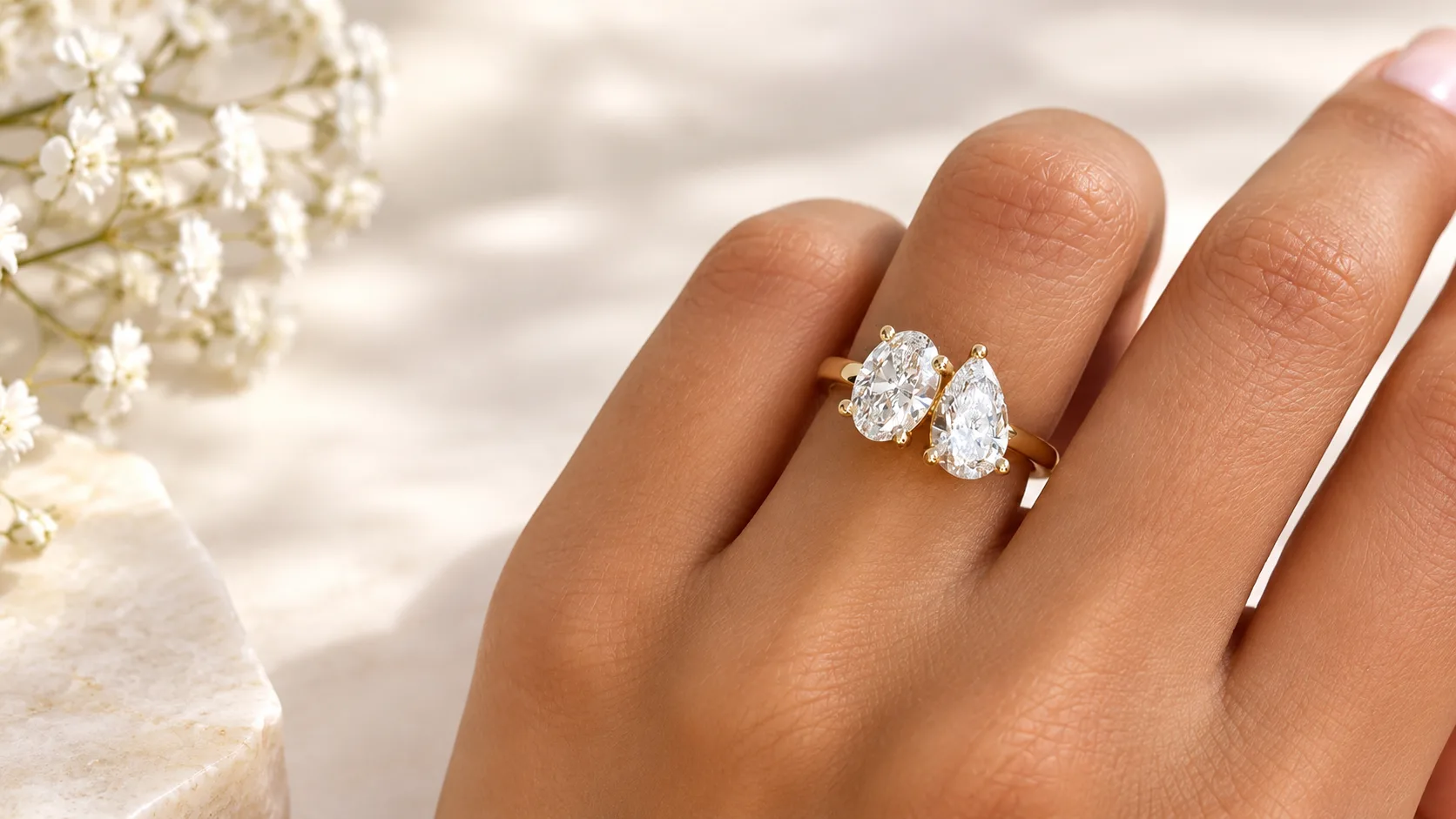
Buying an engagement ring is an important decision, and finding the right one within your budget takes some planning. Shopping online gives you access to different diamond shapes, ring settings, metal choices, and price ranges without visiting several jewelry stores. However, when comparing engagement rings under $2000, it is important to look beyond the price displayed on a product page. The diamond's quality, the setting, the metal, and the seller's policies all affect the value of your purchase.
A ring does not have to cost a fortune to suit your partner's taste. With a clear budget and a little research, you can compare different designs, understand what each price includes, and choose a ring that feels right for your relationship. The key is to know which details matter most before making a final decision.
1. Set Your Budget Before Browsing
Before comparing rings, decide how much you are comfortable spending. A $2,000 budget gives you several options, but the final cost may include more than the center diamond and setting.
Consider whether your budget needs to cover:
- The center diamond and ring setting
- The metal used for the band
- Sales tax and shipping charges
- Ring resizing, if required
- Optional engraving or other custom details
Some online stores display the price of a complete ring, while others may show a starting price that changes when you select a diamond or metal. Read the product details carefully so you can compare the actual cost of similar rings.
It also helps to set a spending limit before exploring different styles. This makes it easier to narrow your choices and prevents you from paying extra for features that are not important to you.
2. Compare Diamond Quality, Not Just Carat Weight
Carat weight is one of the first details shoppers notice, but it does not tell the whole story. Two diamonds with the same carat weight can look different because of their cut, color, and clarity.
The four Cs are useful when comparing diamond engagement rings under $2000.
Cut: Cut affects how well a diamond reflects light. A well-cut diamond can appear lively and bright, even when it is smaller than another stone.
Color: Diamond color grades describe how much color is visible in a stone. Some shoppers prefer a nearly colorless diamond, while others are comfortable with a slight tint to get a larger stone within their budget.
Clarity: Clarity refers to internal characteristics and surface marks. Some inclusions are difficult to notice without magnification, so consider how visible they are rather than choosing a grade based on its name alone.
Carat: Carat measures a diamond's weight, not its physical dimensions. Different shapes can also appear larger or smaller at the same weight.
Compare these details together instead of selecting a ring based on carat weight alone. Product photographs, diamond specifications, and grading reports can help you make a more informed choice.
3. Decide Between Lab-Grown and Natural Diamonds
One of the biggest decisions when shopping online is whether to choose a lab-grown or natural diamond.
Lab-grown diamonds are created using controlled technological processes and have essentially the same chemical composition, crystal structure, and optical properties as natural diamonds. Their origin is different, but both can be assessed using diamond quality characteristics.
Natural diamonds form through geological processes over long periods. Lab-grown diamonds are produced in specialized facilities, and their prices are often lower than those of comparable natural diamonds.
If your goal is to find a larger center stone or a particular setting within your budget, a lab-grown diamond may offer more choices. You could compare an oval solitaire, a round center stone, or a hidden halo design without exceeding your spending limit.
When shopping for either type, confirm that the product listing clearly identifies the diamond's origin. If a grading report is provided, check that its details match the stone being sold.
Your choice should depend on your preferences, budget, and the features you value most in an engagement ring.
4. Compare Different Ring Settings
The setting affects a ring's appearance, how securely the diamond is held, and how the ring feels during everyday use. When exploring engagement rings under 2000, compare several settings before choosing one.
Solitaire Settings
A solitaire setting features one center diamond. Its simple design keeps attention on the main stone and works with many diamond shapes, including round, oval, pear, and emerald cuts.
Halo Settings
A halo setting surrounds the center diamond with smaller stones. This arrangement can make the center appear larger and adds detail around the main stone. Compare the total cost and maintenance requirements before selecting this style.
Hidden Halo Settings
A hidden halo places smaller diamonds beneath or around the center stone, often near the basket. It adds detail when viewed from the side without changing the main outline of the ring as much as a traditional halo.
Bezel Settings
A bezel setting holds the diamond with a metal rim around its outer edge. This can help protect the stone's edges and reduce the chance of catching on clothing. Bezel rings are worth considering for people who prefer a secure setting and a clean outline.
Three-Stone Settings
Three-stone rings feature a center diamond with a stone on either side. The side stones can change the overall proportions and add visual interest, although they may affect the price depending on their size and quality.
Compare the setting's design, construction, and maintenance needs alongside the diamond itself. A well-chosen setting can make a ring feel personal without requiring a larger budget.
5. Choose the Right Metal for the Band
The band metal influences the ring's color, durability, maintenance, and cost. Common options include yellow gold, white gold, and platinum.
Yellow gold has a warm appearance and is available in different purities, including 14K and 18K. Fourteen-karat gold is often a practical option for everyday jewelry because it contains a higher proportion of other strengthening metals than 18K gold.
White gold offers a light-colored finish that pairs well with many diamond shapes. It is commonly rhodium-plated, so the surface may need replating over time to maintain its original appearance.
Platinum is naturally white and is valued for its durability. However, it often costs more than gold, which can leave less of the budget for the center diamond.
When comparing rings, check the metal purity, band width, and construction. A delicate band may suit one person's taste, while someone with an active routine may prefer a sturdier design. The best choice balances appearance, comfort, and long-term care.
6. Check Certification and Diamond Details
Online shopping makes it especially important to read the specifications rather than relying only on product photographs.
For a diamond ring, look for information about:
- Diamond origin: natural or lab-grown
- Carat weight and measurements
- Cut, color, and clarity grades, where applicable
- The grading laboratory and report number, if a report is supplied
- Metal type and purity
- The number of diamonds included in the ring
A grading report from a recognized independent laboratory can help verify the stated characteristics of a diamond. Check the report number and details where verification is available.
Remember that a grading report is not the same as a warranty, and it does not automatically guarantee the quality of the ring's craftsmanship. Review the seller's policies and product specifications separately.
If a listing leaves out important information, contact the seller before placing your order. Clear answers can help you compare two rings more fairly.
7. Compare the Total Price Across Online Stores
A lower listed price does not always mean a better deal. One store may include the setting in its displayed price, while another may charge separately for the diamond and mounting.
When comparing diamond rings under 2000, use the same checklist for every product. Record the center stone's specifications, setting type, metal, total price, shipping cost, and return conditions.
Pay attention to customization charges, too. Changing the center diamond, selecting a different gold color, or requesting a different band width may affect the final amount.
You can also explore collection pages to compare related designs in one place. For example, explore lab-grown diamond ring options under $2,000 to see how a broader price range changes the available center stones and settings. Keep your own budget in mind and compare only the features that are relevant to your purchase.
Antiquecut is one place to browse lab-grown engagement ring designs and compare different settings, shapes, and price points before deciding which details matter most to you.
8. Read the Return, Resizing, and Warranty Policies
A ring can look different in person than it does on a screen. Product images may use different lighting, and the proportions can be difficult to judge without seeing the ring on a hand.
Before ordering, check the seller's return window and whether customized rings are eligible for returns. Some made-to-order or personalized pieces may have different conditions from ready-to-ship items.
Also confirm the following:
- Whether the ring can be resized
- Who pays return shipping
- Whether the purchase includes a warranty
- What the warranty covers and excludes
- Whether repairs or routine maintenance are available
- How long production and delivery are expected to take
Check the ring size carefully before ordering. If you are planning a surprise proposal, consider whether you can discreetly confirm your partner's size or choose a seller with a suitable resizing policy.
These practical details matter because the purchase does not end when the payment is complete. Good after-sales support can make ownership easier over the years.
9. Choose a Design That Suits Your Partner
A ring's price and diamond specifications matter, but the design should also reflect the person who will wear it.
Think about the jewelry your partner already owns. Do they usually wear yellow gold or white metals? Do they prefer simple bands or detailed designs? Are their everyday accessories delicate, bold, or somewhere in between?
If your partner works with their hands or regularly exercises, a lower-profile setting may be worth considering. A bezel or a well-made solitaire with a secure setting may be more practical than a design with many exposed edges. The right option depends on the individual's routine and preferences.
Diamond shape can also influence the overall look. Round diamonds have a familiar outline, oval diamonds create an elongated appearance, and emerald-cut diamonds have long facets with a different visual effect.
Look at the ring from different angles, and compare its dimensions rather than relying only on the product's carat weight. The best ring is one your partner will feel comfortable wearing regularly.
10. Use a Comparison Checklist Before Buying
Before placing an order, compare your shortlisted rings side by side. This helps you identify meaningful differences instead of choosing based only on a photograph or promotional price.
Comparison factorWhat to checkTotal priceRing, taxes, shipping, and customizationDiamondOrigin, carat weight, cut, color, and claritySettingSolitaire, halo, hidden halo, bezel, or three-stoneMetalType, purity, and band widthDocumentationGrading report and verifiable detailsFitAvailable sizes and resizing optionsReturnsEligibility, deadlines, and shipping costsWarrantyCoverage, exclusions, and repair optionsUse this checklist to compare engagement rings for women under $2000 without overlooking important details. You may find that one ring offers a larger diamond, while another has a stronger setting or more suitable return terms.
There is no need to choose the ring with the highest carat weight or the most complicated design. Focus on the combination of quality, fit, appearance, and service that best matches your priorities.
Conclusion
Finding the right engagement ring within a set budget becomes easier when you compare more than the displayed price. Diamond quality, stone origin, setting style, metal choice, certification, and after-sales policies all contribute to the value of a purchase.
A $2,000 engagement ring can take many forms, from a simple solitaire to a bezel design or a hidden halo setting. Start with your budget, shortlist a few designs, and compare their specifications carefully. Read the policies before ordering, and make sure the ring suits the person's taste and everyday routine.
With careful research, you can compare engagement rings under $2000 online and select a ring that feels personal, fits your budget, and is ready to become part of an important milestone.