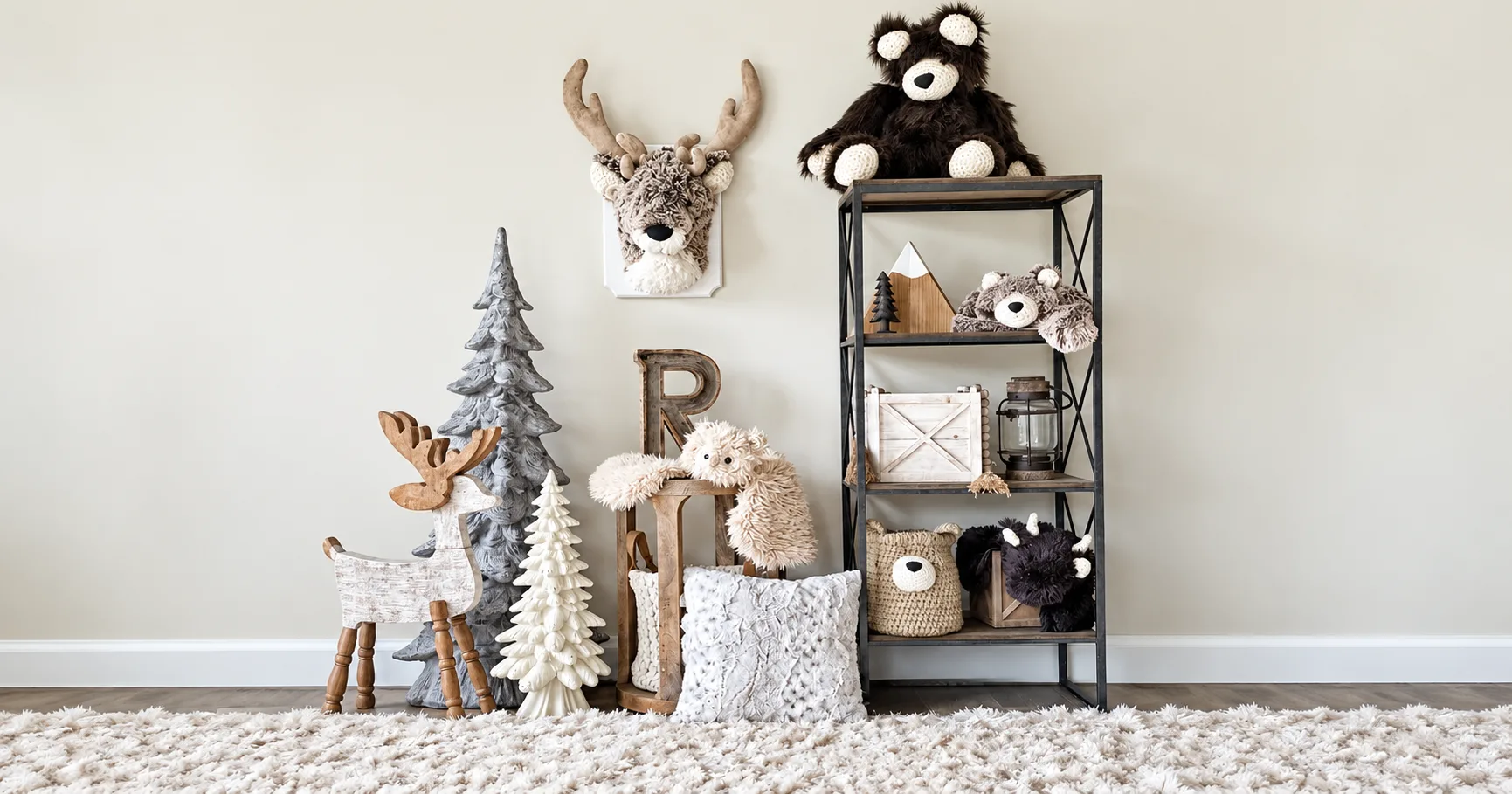
Handmade animal rugs, plush companions, and crocheted accents give a nursery its own personality. Their textures and carefully finished details also deserve thoughtful care, especially when several materials come together in one piece.
Understanding how to clean handmade nursery decor starts with checking the instructions for each item. Faux fur, yarn, stuffing, felt, and wooden backing can require different handling, even when products look similar.
This guide explains how to manage everyday dust, treat small spills, wash suitable pieces, and dry them carefully. A gentle routine can help preserve the appearance of your favorite woodland animals without unnecessary washing or harsh treatments.
When creating a cozy space, woodland nursery decor can bring natural charm and warmth to your child's room through forest-inspired rugs, soft animal toys, and handcrafted accents. Keeping these decorative pieces clean and well-maintained helps preserve their beauty while ensuring the nursery remains inviting, comfortable, and ready for everyday family moments.
How to Clean Handmade Nursery Decor: Start With the Care Instructions
Begin with the product label, care card, or current product listing. These instructions should take priority over general cleaning advice.
ClaraLoo’s reviewed bear rug and bear lovey listings recommend hand washing with cool water and mild detergent, followed by rinsing and air drying. They also advise avoiding harsh chemicals and heat. These instructions should not be interpreted as permission to machine wash or tumble dry. Handmade Nursery Bear Rug – ClaraLoo
Before cleaning, identify:
- Outer materials: Faux fur, crochet, felt, or another fabric.
- Interior construction: Stuffing, lining, or a shaped insert.
- Attached details: Ears, eyes, bows, flowers, or other accessories.
- Structural components: Wooden plaques, mounting hardware, or rigid backing.
If the instructions do not explain how to handle a particular component, contact the maker before wetting it. A brief clarification is preferable to experimenting with a handmade piece.
Inspect and Prepare Each Item Before Cleaning
Preparation helps you choose an appropriate method and notice problems before water makes them harder to manage.
Check Seams and Decorative Details
Look for loose stitching, pulled yarn, exposed stuffing, or an accessory that has started to detach. Avoid washing damaged areas until the maker has advised on repair.
Support the item by its body when moving it. Ears, antlers, tails, and crocheted features are decorative details, not carrying handles.
Gather Simple Cleaning Supplies
You will usually need a clean basin, cool water, mild detergent suitable for the material, white cloths, and absorbent towels. Avoid adding stain sprays, fabric softeners, fragrances, or household cleaning mixtures unless the manufacturer specifically approves them.
Test a Concealed Area
When learning how to clean handmade nursery decor, a small test is a useful precaution. Apply a little diluted cleaning solution to an inconspicuous area, then blot and allow it to dry. Check for color transfer, texture changes, or a visible mark. Testing reduces uncertainty, but it does not replace the product’s care instructions.
Remove Everyday Dust Before Using Water
Not every piece needs washing whenever you clean the room. Start with the least intensive method appropriate for the surface.
Gently lift loose dust with a clean, dry cloth, working lightly over the material. Avoid rubbing against delicate crochet stitches or catching a cloth on projecting details.
For faux fur, use your fingers to separate lightly compressed fibers. Do not pull at tangles or use a stiff brush without guidance from the maker. Take particular care around seams and facial features. Aggressive brushing or a vacuum attachment can catch yarn and distort small details.
A practical woodland nursery decor cleaning routine focuses on visible dust, fresh spills, and occasional inspection. Wash when needed rather than repeatedly soaking an item that is already clean.
Treat Small Spills With Careful Spot Cleaning
For a localized mark, spot cleaning may be enough if the care instructions allow it.
- Blot fresh liquid with a clean, absorbent cloth.
- Mix a small amount of mild detergent into cool water.
- Lightly dampen a white cloth with the solution.
- Dab the affected area without scrubbing.
- Use another cloth dampened with plain water to remove residue.
- Press with a dry towel and allow the area to air dry.
Work with minimal moisture, particularly near stuffing, seams, and attached details. Too much detergent creates extra rinsing work and can leave the surface feeling stiff.
If the mark remains, stop before escalating to stronger products. Describe the spill and material to the maker and ask for advice. Avoid promising yourself that every stain can be removed without affecting the finish.
How to Clean Faux Fur Nursery Rugs
Animal-shaped rugs need support during cleaning because they may combine a flat body with a stuffed head and crocheted features.
ClaraLoo’s reviewed bear rug, for example, lists faux fur, flannel, polyester stuffing, yarn, and felt. That combination calls for attention to the whole construction rather than treating it like an ordinary floor covering. Handmade Nursery Bear Rug – ClaraLoo
Clean Small Marks First
Blot spills promptly and use the approved spot-cleaning method. Avoid grinding crumbs or dried dirt deeper into the pile. Lift the rug to clean the floor beneath it, supporting its weight evenly. Do not shake it forcefully by the head or limbs.
Hand Wash Only as Directed
If a fuller wash is needed and permitted, use a clean basin large enough to support the rug. Follow the maker’s directions for wetting, washing, and rinsing.
Handle the fabric gently rather than twisting or scrubbing it. Support the wet rug when lifting it, since retained water adds weight. Knowing how to clean handmade nursery decor also means recognizing practical limits. If the rug is too large to wash and dry properly at home, ask the manufacturer for an appropriate alternative.
How to Wash Handmade Plush Animals
Check the individual plush animal’s instructions before assuming that a method suitable for a rug or lovey also applies to it.
Use Gentle Hand Washing When Approved
Prepare cool water with the recommended amount of mild detergent. Gently work the cleaning solution through washable areas without pulling on the animal’s features.
Avoid prolonged soaking unless the instructions call for it. Rinse carefully with cool water until detergent residue has been removed. Press out excess water gently, keeping the body supported. Never wring the plush by twisting its head and body in opposite directions.
Protect the Shape
Place the item on an absorbent towel and press lightly. Reshape the body and reposition soft features with your hands.
Do not force compressed stuffing into place through hard squeezing or pulling. If the filling remains uneven, ask the maker how to restore it.
The same principles behind how to clean handmade nursery decor apply here: use the approved method, limit mechanical stress, and allow enough drying time.
Crochet Nursery Decor Care: Protect the Stitches
Crocheted ears, muzzles, faces, and baskets can lose their shape when stretched or handled roughly.
Use a gentle touch around individual stitches. Avoid scrubbing with a brush, dragging jewelry across the yarn, or pulling loose ends.
For washable crochet, support the piece throughout cleaning and reshape it while damp. Lay it in its intended form to dry unless the maker specifies another position.
Do not hang a wet crocheted basket by its rim or handles. The weight of retained water may stretch the structure. If you find a snag, resist cutting it or pulling it tight. A loose strand may be connected to surrounding stitches. Ask the maker whether it can be secured or repaired.
Handle Wall Mounts and Wooden Backing Separately
Wall-mounted animals need special consideration because their soft exterior may be attached to a rigid structure.
ClaraLoo’s deer wall mount combines faux fur, stuffing, yarn, felt, and a painted wooden plaque. Although its listing gives general hand-washing instructions, it does not explain a procedure for immersing the assembled plaque. Ask ClaraLoo how those instructions apply before attempting a full wash. Stuffed Animal Wall Mount – ClaraLoo
For routine care, gently remove surface dust with a dry cloth. Avoid soaking the plaque or allowing cleaning liquid to collect around mounting hardware.
Do not detach the animal from its backing unless instructed. After cleaning, check that the piece and hardware are dry and secure before rehanging.
How to Air Dry Plush Toys and Decorative Animals
Air drying deserves as much attention as washing. A surface can feel dry while thicker seams or a stuffed section still retain moisture.
Remove Excess Water Without Twisting
Use clean towels to absorb moisture. Replace a saturated towel with a dry one rather than leaving the item against a wet surface.
Choose a Suitable Drying Position
Place the piece on a clean, supported surface in a well-ventilated area. Arrange it so that air can reach different sides, turning it gently when its construction allows.
Keep it away from radiators, hair dryers, and other direct heat. Do not use a tumble dryer unless the item’s instructions explicitly permit it.
Check Before Returning It to the Room
There is no reliable universal drying time. Size, stuffing, fabric thickness, humidity, and airflow all affect the process. Check the thickest parts and underside carefully. Do not return an item to storage while it still feels damp.
Build a Simple Care and Storage Routine
A consistent routine makes how to clean handmade nursery decor easier to manage without excessive washing.
Inspect frequently handled pieces more often than decorations that remain untouched on a shelf. Blot spills promptly, remove surface dust as needed, and check seams during room cleaning. Keep care cards or saved product instructions together so you can find them quickly. Before storing woodland nursery decor, make sure each piece is clean and thoroughly dry. Choose a dry location away from direct sunlight and support shaped items so they are not flattened beneath heavier objects.
Store accessories together with the relevant item. When bringing decorations back into the woodland nursery, inspect them before putting them on display.
Preserve the Details That Make Handmade Décor Special
Understanding how to clean handmade nursery decor comes down to a few dependable habits: follow the item’s instructions, handle details gently, remove detergent carefully, and allow complete air drying. Seek advice when stains, damage, or mixed materials make the next step uncertain.
Discover ClaraLoo’s handmade woodland collection for animal accents that complement your space. Check each product’s care guidance, and contact the team when your favorite piece needs individual advice.
FAQ
What is the first step in learning how to clean handmade nursery decor?
Read the item’s care label, care card, or product listing. Identify its materials and attached components, then check with the maker if any part of the cleaning process is unclear.
Can handmade animal décor go in the washing machine?
Only when the manufacturer explicitly permits machine washing. Instructions that specify hand washing do not establish that a delicate machine cycle is suitable.
How often should I wash nursery decorations?
Base washing on visible dirt, spills, handling, and the product’s instructions. Regular dust removal and appropriate spot cleaning may reduce the need for full washing.
Can I use heat to dry faux fur faster?
Avoid direct heat when the care instructions advise against it. Use absorbent towels and ventilation, and allow the piece to dry completely before displaying or storing it.
What should I do if a handmade animal still smells after drying?
Check whether thick areas remain damp and allow further ventilation if needed. If the odor persists, contact the maker before rewashing or applying deodorizing products.