
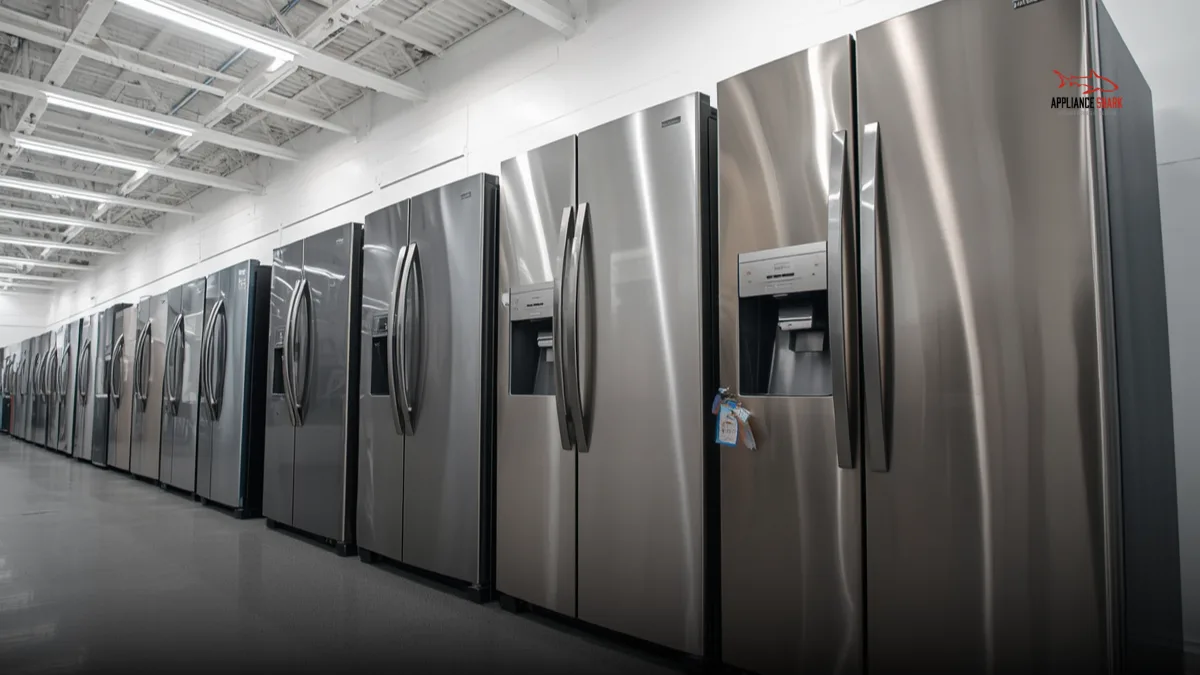
Choosing the right side by side refrigerator comes down to matching the configuration to your specific kitchen layout, confirming the unit fits your space with room for doors and airflow, and selecting features that will genuinely serve your daily habits rather than features that sound impressive in a showroom. We bought our first side by side refrigerator without measuring the door swing clearance. It fit the cabinet opening. The doors, once opened, blocked the path to our kitchen sink. We lived with that for two years before replacing it. Measuring door clearance before purchase is one of those things that seems obvious after the mistake and invisible before it. This guide covers all the things worth knowing before you decide.
Is a Side by Side Refrigerator Right for Your Kitchen?
Before you start comparing models and features, the first question is whether the side by side configuration is actually the right fit for your situation.
Where Side by Side Refrigerators Work Best
A side by side refrigerator divides the cabinet space vertically. The left side is the freezer. The right side is the fresh food section. Both run the full height of the unit, and both open on standard hinges that swing outward from the center.
This configuration works particularly well in:
- Galley kitchens where the aisle between counter runs is narrow and a French door's full-width swing would create a movement hazard
- Kitchens where multiple people access the refrigerator simultaneously, since the two separate doors allow one person in the freezer and another in the fresh food section without conflict
- Households where frozen food access is frequent and having it at eye level across the full height of the unit is a practical advantage
- Spaces where the refrigerator sits across from a kitchen island or counter that limits how far a door can swing outward
Where Side by Side Refrigerators Work Less Well
Side by side refrigerators have narrower individual compartments than French door or top/bottom freezer configurations at equivalent widths. The fresh food section accommodates standard shelves well, but wide platters, pizza boxes, and large baking sheets often do not fit comfortably due to the narrower horizontal space.
If your household regularly stores wide flat items in the refrigerator or freezer, a French door configuration or a top freezer model with a full-width fresh food section may serve you better. This is worth thinking through honestly before you fall in love with a side by side model that turns out to be frustrating for your specific food storage habits.
Measuring Before You Shop
We cannot overstate this enough. Measurement comes before shopping, not after you have found a model you like.
The Three Measurements That Matter
Cabinet opening width and height Measure the width and height of the space where the refrigerator will go. Standard side by side refrigerators are 32 to 36 inches wide. Confirm your cabinet opening accommodates the model you are considering with a small clearance on each side for ventilation.
Depth and door projection Measure how far your current refrigerator extends beyond the cabinet face and how much of that you are comfortable with. Standard-depth side by side refrigerators project 6 to 8 inches beyond standard cabinet depth. Counter-depth models project much less but carry a higher price and have smaller interior volume.
Door swing clearance This is the measurement most buyers skip and the one that causes the most post-purchase frustration. Open both refrigerator doors to 90 degrees and measure how far each one extends from the front of the unit. Confirm that nothing in your kitchen layout blocks that swing. For the fresh food side specifically, the door must swing far enough to give full access to all shelves without partial blocking from the door itself.
The Features Worth Evaluating Carefully
Water and Ice Dispenser
The external water and ice dispenser is the most used daily feature on most side by side refrigerators. It is also the feature that requires the most attention during inspection on a scratch and dent unit.
When evaluating dispenser function, consider:
- Does the dispenser produce water at adequate pressure, or does it feel slow and weak?
- Does the ice maker produce cubed ice, crushed ice, or both, and does each function work correctly?
- Is the dispenser housing visually accessible and easy to clean, or do ice and mineral deposits accumulate in hard-to-reach areas?
On any scratch and dent side by side purchase, test the dispenser during your inspection visit. Water pressure, ice production, and mode switching all need to be confirmed before purchase.
Shelving Configuration
Side by side models vary significantly in how well they use the vertical compartment space on both sides. Adjustable shelving on the fresh food side allows you to configure the space for your actual food storage patterns. Gallon door storage on both sides adds meaningful flexible storage for tall containers.
On the freezer side, look for a configuration that handles the types of frozen items you store most often. Slide-out baskets are useful for smaller frozen items. Full-width shelves accommodate flat frozen goods. Think through what you typically store frozen and check whether the freezer configuration accommodates it before you commit.
Energy Efficiency Rating
Side by side refrigerators as a category use more energy than equivalent-capacity top freezer models. This is partly a physics reality of having two separate door seals, two separate hinge systems, and the freezer side running colder air in a configuration that is not as thermally efficient as a top or bottom arrangement.
Within the side by side category, ENERGY STAR certified models use meaningfully less energy than non-certified units. Over the 12 to 15-year lifespan of a refrigerator running 24 hours a day, the difference in energy cost between a certified and non-certified unit can exceed $300. That is real money worth factoring into the purchase decision.
For scratch and dent side by side refrigerators, the ENERGY STAR certification remains fully valid regardless of the cosmetic damage. The energy efficiency of the unit is determined by the sealed system and insulation, both of which are unaffected by exterior panel damage.
Smart Features and Connectivity
Many current-generation side by side models from LG and Samsung include smart connectivity features like app monitoring, internal cameras accessible from your phone, and remote temperature control. These features are housed in internal electronics that cosmetic damage does not affect.
If smart features are part of what you are looking for in a side by side refrigerator, confirming their function during inspection of any scratch and dent unit requires actively connecting the unit to a network and confirming app pairing and camera function. A standard operational test will confirm cooling. Smart feature verification requires this additional step.
Side by Side Refrigerators on Scratch and Dent
Side by side refrigerators are an excellent scratch and dent purchase for a specific reason. The configuration has two full-length side panels, both of which are installation-hidden in almost every standard kitchen layout. One side panel goes against the adjacent wall or cabinetry. The other faces another wall or open space, often becoming the less visible side depending on kitchen layout.
Freight damage on side by side refrigerators almost always affects one of these side panels or the rear surface. The door faces, which you interact with every day, face forward and are far less commonly the site of freight damage because of how units are packed and oriented during shipping.
A scratch and dent side by side refrigerator with a dented left panel, installed with that panel against the wall, presents exactly as any full-retail side by side would from every visible angle in the kitchen. The cosmetic damage is against the wall. The dispenser, the handles, the door faces, and the full-width fresh food and freezer access are exactly as expected.
We purchased a scratch and dent side by side refrigerator through Appliance Shark for our second home. The right side panel had a freight dent that the installation position concealed completely. The dispenser was tested and confirmed fully functional during the inspection. The ENERGY STAR certification was confirmed in the documentation. We paid $870 for a unit that retailed at $1,380 and have had zero issues in two years of use.
Find the Right Side by Side Refrigerator at the Right Price. Contact Appliance Shark Today
Choosing the right side by side refrigerator is straightforward when you know your measurements, your household habits, and the features that actually matter for your daily routine. Appliance Shark carries inspected scratch and dent side by side refrigerators from trusted brands with documented condition, confirmed dispenser function, and honest pricing on every unit.
Contact Appliance Shark today, browse their side by side refrigerator collection and scratch and dent inventory now, and find a brand-name unit that fits your kitchen, your lifestyle, and your budget without compromise.
Do you have a side by side refrigerator that needs repair? Schedule a Book Repair now and let Appliance Shark's certified technicians restore it to full performance with the expertise and care your kitchen deserves.
Frequently Asked Questions
Is a side by side refrigerator better than a French door model?
It depends on your kitchen layout and storage habits. Side by side models work better in narrow galley kitchens and for households that want frozen food at eye level. French door models offer wider fresh food space and better energy efficiency on average.
What width side by side refrigerator fits most standard kitchen openings?
Most standard side by side refrigerators are 33 to 36 inches wide. Measure your cabinet opening and confirm clearance on each side for ventilation before shopping for a specific model.
Does scratch and dent damage affect the water and ice dispenser?
No. The dispenser system is internal and completely unaffected by exterior panel damage. Always test the dispenser function during your inspection visit to confirm it works correctly on the specific unit.
Are side by side refrigerators energy efficient?
As a category, they use more energy than top or bottom freezer configurations. Within the category, ENERGY STAR certified models are meaningfully more efficient. Look for certification and confirm it in the unit's documentation before purchasing.
How long does a side by side refrigerator typically last?
With proper maintenance, most side by side refrigerators from established brands last 12 to 17 years. Annual condenser coil cleaning, regular door gasket checks, and professional service at the first sign of performance changes are the maintenance habits that extend lifespan the most.