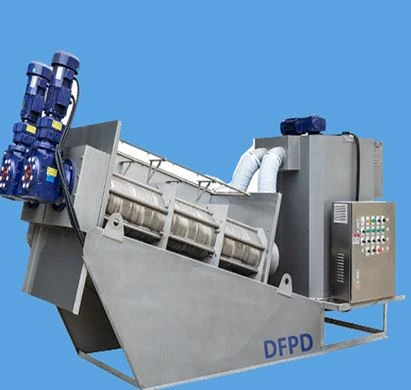
In industries where moisture control, waste reduction, or material separation are critical, a screw press plays a pivotal role. Whether used for dewatering sludge in wastewater plants, extracting oil from seeds in agro-processing, or managing pulp in food industries, screw presses have become indispensable for high-volume, continuous operations.
But with multiple designs, materials, and manufacturers available, how do you select a screw press that fits your operational needs? Below is a comprehensive guide outlining the essential factors to consider when evaluating and choosing the best machine for your business.
1. Define the Application: Know What You’re Processing
Before looking at brands or features, clearly define what material you'll be processing with the screw press.
- Sludge Dewatering: Focus on presses that can handle varying moisture levels and chemical properties.
- Oil Extraction: Prioritize presses that offer maximum yield with minimum seed wastage.
- Food or Juice Processing: Look for machines made with food-grade stainless steel and easy-to-clean components.
- Biomass or Organic Waste: Ensure the screw design can handle fibrous, bulky materials.
Each use case demands a tailored design, so application clarity is step one.
2. Build Quality: Materials and Engineering
The longevity and efficiency of a screw press rely heavily on its build quality and material choices.
- Frame and Housing: Should be corrosion-resistant, especially for industries dealing with moisture or chemicals.
- Screw and Barrel: Hardened alloy steel ensures durability against wear and tear.
- Screen Type: Depending on the particle size, you may require wedge wire, perforated, or slotted screens.
Poor construction leads to high maintenance costs and reduced operational uptime over the long term.
3. Throughput and Processing Capacity
The capacity of a screw press must align with your expected volume.
- Hourly Output: Look for machines rated by kg/hr or liters/minute.
- Continuous Operation: If your operations run non-stop, prioritize machines designed for 24/7 use.
- Efficiency Ratio: Evaluate how much input material is needed to achieve the desired output volume or dryness.
Choosing the right capacity prevents production bottlenecks and future scalability issues.
4. Customization and Adjustability
Flexibility is a strong asset in any industrial setting. A good screw press should offer customization options.
- Adjustable Speed and Pressure: Useful for testing different moisture contents and improving final product quality.
- Interchangeable Components: Allows easy switching of screens or screw types for different materials.
- Modular Design: Makes it easier to integrate into existing production lines or upgrade later.
Custom options ensure your press remains useful even if your product lines evolve over time.
5. Ease of Maintenance and Operation
User-friendliness is vital. Machines should be easy to maintain, even for non-technical staff.
- Access Points: Quick-release panels or tool-free access for cleaning and repairs.
- Self-Cleaning Systems: Reduce the need for frequent shutdowns.
- Training and Manuals: Manufacturers should offer operation manuals and staff training as part of the package.
The easier a machine is to manage, the more productive your facility becomes.
6. Automation and Smart Features
In today’s digital age, many screw presses come equipped with automation and remote-monitoring capabilities.
- Programmable Logic Controls (PLCs): Automatically adjust operations for consistency and efficiency.
- Data Logging: Track performance metrics like feed rate, pressure, and output quality.
- Remote Alerts: Systems that alert operators to maintenance needs or performance drops.
These features reduce downtime and improve quality control through real-time monitoring.
7. Safety Standards and Compliance
Working with industrial equipment carries safety risks, so compliance with safety norms is essential.
- Emergency Stop Buttons: Should be easily accessible and functional.
- Safety Shields: Moving parts should be covered to protect workers.
- Certifications: Look for machines that comply with CE, ISO, or relevant national standards.
Safe equipment not only protects your staff but also enhances your company’s credibility.
8. Vendor Reputation and After-Sales Service
When selecting a screw press, don’t just evaluate the machine—evaluate the company behind it.
Choosing a reliable screw press manufacturer ensures long-term support, availability of spare parts, and consultation when scaling operations. Look for companies that offer strong warranties, local service support, and a history of successful installations across different industries.
Check for client reviews, ask for case studies, or even request a site visit to see the equipment in action.
9. Environmental Considerations
Modern industries are expected to meet sustainability benchmarks. A well-designed screw press can contribute to this goal.
- Energy-Efficient Motors: Lower energy usage for reduced carbon footprint.
- Water Reuse Systems: Especially important in sludge dewatering and pulp processing.
- Low-Waste Design: Maximize material recovery and reduce landfill output.
Eco-friendly choices help you stay compliant with environmental regulations and enhance your brand image.
Conclusion: Invest Wisely for Long-Term Performance
A screw press is a significant investment that impacts productivity, efficiency, and operational costs. Whether you’re in agriculture, wastewater management, food production, or energy processing, selecting the right machine is essential.
Make your decision based on specific needs — not just brand recognition or upfront price. From build quality and output capacity to automation features and post-sales support, every detail counts. And remember, working with a trusted manufacturing partner can ensure long-term success and adaptability as your business grows.