
Propane is one of those utilities people only think about when something goes wrong. The furnace stops on a wet January evening. A crew arrives at a site and finds the heaters running on fumes. A catering team realizes halfway through an outdoor event that the cooking fuel won’t last the night.
Most of these problems come down to the same thing: the propane setup wasn’t matched to the real need. The right tank size, delivery schedule and backup plan make the difference between a smooth season and a stressful one. This guide walks through how to think about your options, whether you’re heating a house, running a business or planning a temporary site. If you’re comparing propane services in Vancouver, it will also help you ask better questions before you commit.
Why Propane Works Well in the Lower Mainland
Vancouver and the surrounding region don’t see the extreme cold of the Prairies, but the damp, chilly winters are enough to make dependable heating essential. Add the region’s steady stream of construction projects, restaurants with year-round patios and outdoor events, and propane becomes a practical, flexible fuel.
It’s portable, it stores well, it works off-grid and it powers a wide range of equipment, from home furnaces and fireplaces to forklifts and patio heaters. That flexibility is the main reason homeowners, contractors and hospitality businesses keep choosing it.
Step One: Work Out What You’re Powering
Before looking at tank sizes or delivery plans, list what the propane will actually run. Your answer shapes everything else.
At home, propane commonly supports:
- Space and whole-home heating
- Hot water
- Fireplaces
- Backup generators
- Outdoor kitchens and barbecues
- Other propane appliances
In a business, it often fuels:
- Heating for warehouses and distribution centres
- Forklifts and material handling equipment
- Commercial kitchens and food trucks
- Patio heaters at restaurants and hotels
- Manufacturing and industrial processes
On a temporary site or at an event, it usually supports:
- Heaters for crews, materials and equipment
- Cooking equipment for food vendors
- Outdoor heaters that keep guests comfortable
Once you know the equipment, you can estimate how much fuel you’ll use and how often you’ll need a refill. That’s the foundation of choosing the right storage.
Step Two: Match the Storage to Your Fuel Use
Propane storage generally falls into two groups: portable cylinders and larger tanks.
Propane cylindersCylinders are the simple, flexible choice for everyday applications. They suit smaller needs such as barbecues, portable heaters and forklifts. The advantage is convenience: you can swap or refill them as required without a permanent installation. Many businesses that run forklifts, for example, rely on propane cylinders in Vancouver as part of their daily operation.
Larger tanksWhen consumption is higher or you want fewer refills, a larger tank makes more sense. Tank sizes for stationary use range widely, from about 80 gallons up to 5,000 gallons. A smaller tank can be enough for a typical home. A much larger one is suited to manufacturing, agriculture or mining operations where fuel demand is constant and high.
A good supplier doesn’t simply sell you the biggest tank. They’ll ask about your consumption, site conditions and operations first, then recommend a setup that works for your property or project. That conversation is worth having before you buy or sign a rental agreement.
Should you rent or buy?Many customers prefer propane tank rental in Vancouver because it removes the upfront cost and shifts maintenance and inspection responsibilities to the supplier. Renting can be particularly attractive for temporary projects or for property owners who want predictable arrangements. If you’re weighing the two, ask what’s included in a rental, such as installation, inspections and replacement, and compare that against your long-term plans for the property.
Step Three: Choose a Delivery Approach
How the propane reaches you matters as much as how it’s stored.
- One-time delivery: Useful for short projects, one-off events or occasional top-ups.
- Scheduled delivery: Ideal for homes and businesses with steady consumption. Regular deliveries mean you rarely have to think about running low.
- Emergency delivery: The safety net for when you’re about to run out or already have.
When you’re comparing suppliers, look closely at how they handle propane delivery in Vancouver during busy periods and after hours. Fuel emergencies don’t keep office hours, so it’s worth knowing in advance whether a provider offers emergency propane in Vancouver and how quickly they respond. A supplier with a reliable emergency option gives you real peace of mind during cold snaps, long weekends and busy project phases.
Construction Sites: Keeping Work on Schedule
Cold, damp weather can slow a project in several ways. Materials like concrete and finishes can be affected by low temperatures, and crews work less efficiently when they’re uncomfortable. That’s why temporary heating is such a common requirement on job sites.
Construction site propane in Vancouver typically supports temporary heating systems and any equipment that needs a steady fuel supply throughout the build. Two things matter most here:
- Consistency. A site can’t afford heaters going cold mid-shift because a delivery was late.
- Flexibility. Projects change. Crew sizes grow, phases shift and weather turns. Your supplier should be able to adjust deliveries accordingly.
If you don’t want to own heating equipment for a short project, heater rental in Vancouver is a practical alternative. Renting lets you scale up or down as the job evolves, and you avoid the storage and maintenance burden once the project wraps. When you’re pricing this out, ask whether fuel supply and heater rental can come from the same provider. Having both coordinated through one company simplifies ordering and accountability.
Commercial and Industrial Users: Think Long Term
For warehouses, factories, distribution centres and similar operations, propane is often a long-term energy decision. Bulk propane in Vancouver can offer an efficient way to heat large spaces and run equipment, and a properly sized storage system reduces the frequency of deliveries.
Restaurants and hospitality venues have their own needs. Commercial propane in Vancouver powers kitchen equipment, and patio heaters help extend outdoor seating well beyond the summer months. For these businesses, running out of fuel isn’t just inconvenient; it directly affects revenue. That makes dependable scheduling, and a supplier who understands your peak periods, especially valuable.
Outdoor Events: Comfort Without the Hassle
Event organizers often underestimate fuel needs, particularly for events that stretch into the evening when temperatures drop. Outdoor heaters keep guests comfortable, and food vendors need a steady supply for cooking.
When planning an event:
- Estimate heater numbers based on guest count and layout.
- Confirm fuel quantities for vendors well in advance.
- Schedule delivery and pickup around setup and teardown.
- Ask about a backup option in case demand exceeds your estimate.
Event propane rental done well is nearly invisible to guests. Done badly, it becomes the thing everyone remembers.
Propane Safety Basics
Whatever your setup, a few safety habits apply across the board.
- Install tanks in approved locations with proper ventilation.
- Inspect tanks regularly for damage.
- Keep combustible materials away from tanks and cylinders.
- Schedule routine maintenance and don’t put it off.
- Know the smell of propane and what to do if you detect a leak: leave the area, avoid ignition sources and contact your supplier or emergency services.
Following the supplier’s guidance and local regulations is the best protection. A reputable provider will happily explain safe placement and handling when you ask.
What to Look for in a Propane Supplier
With so many options, a short checklist helps narrow the field.
- Experience. A long track record usually means they’ve seen your situation before.
- Range of services. Cylinders, tanks, heater rentals and emergency delivery under one roof make life easier.
- Responsiveness. Check how they handle urgent requests and after-hours needs.
- Consultation. A good supplier asks about your usage before recommending equipment.
- Coverage. Make sure they service your area, whether that’s the city itself or communities like Burnaby, Surrey, Richmond, Langley, Coquitlam or the North Shore.
- Reputation. Long-standing customers and consistent reviews are a strong signal.
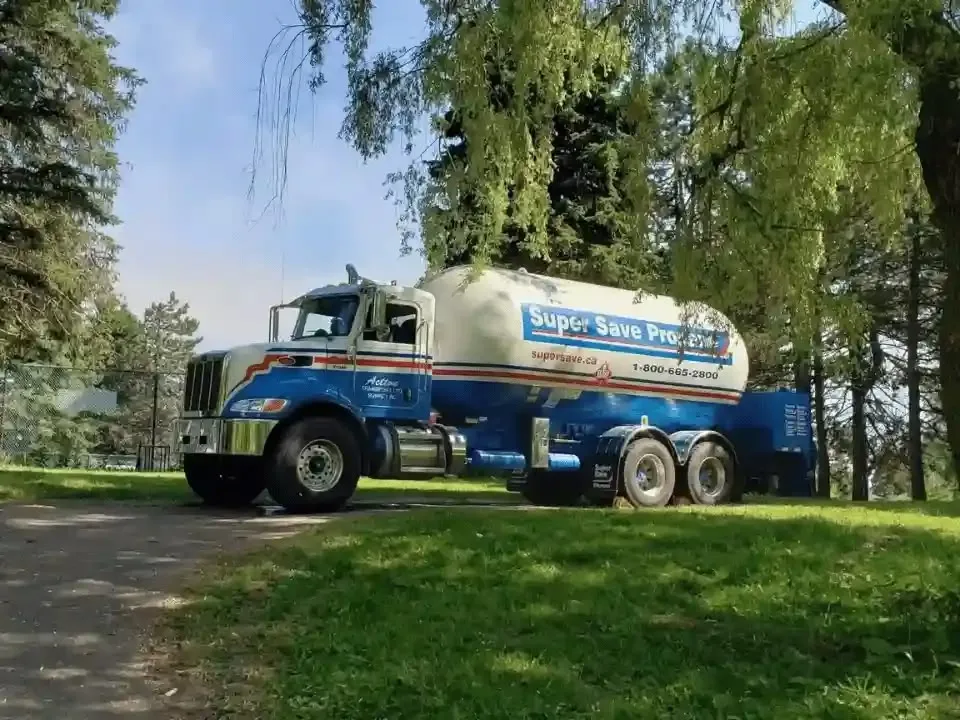
Companies such as Super Save Propane, part of a Canadian-owned group operating since 1977, fit this profile, offering everything from cylinders and tank rentals to heater rentals and emergency supply across the Lower Mainland and Fraser Valley.
Frequently Asked Questions
Where can I get propane delivered in Vancouver?Several suppliers offer delivery for residential, commercial, industrial and construction customers. Choose one that provides one-time, scheduled and emergency options so you’re covered however your needs change.
Is propane suitable for temporary heating on construction sites?Yes. Propane is one of the most common fuels for temporary site heating because it’s portable, effective in cold weather and easy to scale to the size of the project.
How is propane delivery priced?Pricing depends on tank size, fuel volume, delivery frequency and location. Because these vary, most suppliers provide customized quotes rather than a flat rate, so request one based on your specific situation.
Should I rent or buy a propane tank?Renting reduces upfront costs and shifts inspection and maintenance to the supplier, which suits many homeowners and temporary projects. Buying can make sense for long-term, high-consumption users. Compare both against your timeline and budget.
What should I do if I’m about to run out of propane?Contact your supplier immediately and ask about emergency delivery. Don’t wait until the tank is completely empty, since running out can sometimes require system checks before restarting appliances.
Final Thoughts
The best propane setup isn’t the biggest or the cheapest. It’s the one that fits what you’re powering, how much you use and how you want fuel delivered. Start with your equipment, match the storage to your consumption, pick a delivery approach that suits your schedule and choose a supplier with the experience and responsiveness to back you up.
Do that, and your heating, cooking and equipment will keep running without unwelcome surprises. Whether you’re warming a home, fuelling a job site or hosting guests outdoors, reliable propane services in Vancouver are what keep everything running when the weather turns.


