In today's global business landscape, clear and accurate communication across languages is not optional — it is essential. Whether you are expanding into new markets, managing international partnerships, or dealing with regulatory requirements, the need for professional translation services has never been greater. But with so many providers available, choosing the right one for your specific industry can feel overwhelming.
This guide is designed to help business decision-makers, legal teams, healthcare providers, and other professionals navigate that choice with confidence. By addressing the most common questions around translation quality, technology, security, and pricing, this post will equip you to make an informed decision in 2026.
Why Industry Expertise Matters in Translation -
Not all translation work is created equal. A legal contract, a medical report, and a marketing brochure each require a different level of domain knowledge. Using a general translator for specialised content can lead to costly errors—or worse, legal and compliance risks.
How Do I Know If a Translation Service Has Real Expertise in My Industry?
This is one of the first questions you should ask when evaluating a provider. Genuine language translation experts should be able to demonstrate:
● Verified credentials or certifications relevant to your field (e.g., medical, legal, or technical translation qualifications)
● A portfolio of past work in your industry
● Knowledge of industry-specific terminology and regulatory requirements
● References or case studies from similar businesses
For example, if you operate in the pharmaceutical sector, you need translators who understand FDA or EMA guidelines, not just bilingual individuals with general language skills. Similarly, a financial services firm needs language translation experts who are familiar with terms such as "derivatives," "hedge funds," or "compliance disclosures"—and can render them accurately across jurisdictions.
When in doubt, ask the provider for a sample translation of a document from your field. This will give you a clear sense of their capability before you commit.
AI Translation vs. Professional Translation Services -
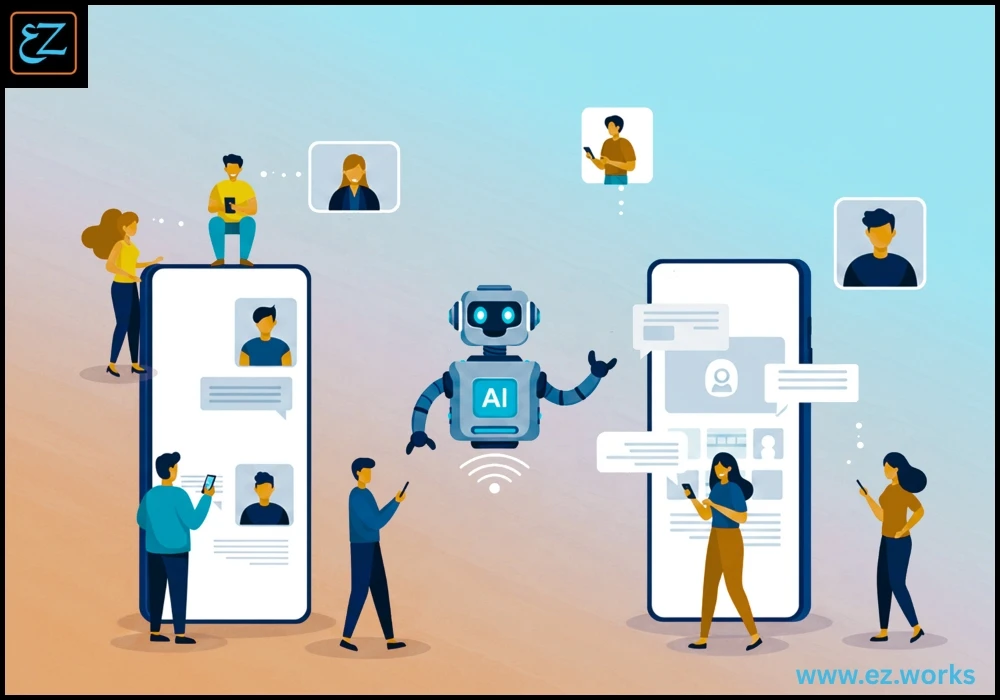
Artificial intelligence has changed the translation landscape significantly. Tools like neural machine translation (NMT) can produce quick, low-cost drafts. However, relying entirely on AI for business documents carries real risks.
Should I Use AI Translation or Professional Translation Services for My Business Documents?
The short answer is it depends on the purpose and sensitivity of the content. Here is a practical breakdown:
● AI translation is suitable for internal summaries, rough drafts, or low-risk communications where speed is prioritised over precision.
● Professional translation services are essential for legal agreements, clinical documents, financial reports, regulatory submissions, and any content that will be shared publicly or with clients.
Consider this scenario: A manufacturing company needs to translate its product safety manual for a Southeast Asian market. Errors in this document could result in misuse, injury, or regulatory penalties. AI translation alone would not be appropriate here. A human expert — preferably one with technical and linguistic expertise — is necessary.
The best professional translation services in 2026 use a hybrid model: AI assists with speed and consistency, while experienced human translators handle review, accuracy, and nuance. This approach delivers both efficiency and quality.
Protecting Confidential Documents During Translation -
Businesses often handle sensitive information — intellectual property, employee records, merger details, or patient data. Before sharing any document with a translation provider, you need to understand how that data is handled.
How Do Professional Translation Services Protect My Confidential Documents?
Reputable professional document translation providers follow strict data protection protocols. When evaluating a service, look for:
● Non-disclosure agreements (NDAs): Any credible provider should be willing to sign an NDA before work begins.
● Secure file transfer systems: Data should be transmitted through encrypted channels, not via unprotected email.
● Access controls: Only assigned translators should have access to your files.
● Compliance with data regulations: Providers should comply with standards such as GDPR, HIPAA (for healthcare), or ISO 27001, depending on your industry.
● Data deletion policies: After the project is complete, your files should be securely deleted from their systems unless you have agreed otherwise.
Always ask a provider directly about their security measures and request documentation where possible. A provider that is vague or evasive about data protection is one to avoid.
Providers of professional document translation that work in regulated industries — such as law, healthcare, or finance — are generally more accustomed to these requirements and better equipped to meet them.
Understanding Turnaround Times and Pricing Models -
Budget and timelines are practical realities in every business decision. Understanding what to expect from professional translation services in terms of cost and delivery will help you plan more effectively.
What Is a Realistic Turnaround Time and Pricing Model for Professional Translation?
Turnaround time depends on several factors:
● The length and complexity of the document
● The language pair involved (some languages have fewer qualified translators available)
● Whether formatting, desktop publishing, or localisation is required
● The urgency of the request
As a general benchmark, a professional translator works at roughly 1,500 to 2,000 words per day for complex documents. A 5,000-word legal contract could, therefore, take two to three business days for translation alone, before review and formatting are factored in.
Regarding pricing, most providers use one of the following models:
● Per-word pricing: The most common model. Rates typically range from £0.08 to £0.25 per word in 2026, depending on the language pair and subject matter.
● Per-hour pricing: Often used for interpreting, editing, or transcription services.
● Per-page pricing: Common for certified translations, such as those required for legal or immigration purposes.
● Project-based pricing: Used for large or recurring contracts, often offering better value for businesses with high volumes of translation work.
Be cautious of providers offering extremely low rates. Cheap translation can lead to inaccuracies that cost far more to correct later — both financially and reputationally. At the same time, the most expensive option is not automatically the best. Focus on value: expertise, quality assurance processes, and clear communication.
Key Factors to Evaluate When Choosing a Provider -
Beyond expertise and pricing, there are several additional criteria to consider when selecting professional translation services for your business:
● Quality assurance process: Does the provider use a multi-step review process involving editing and proofreading in addition to translation?
● Project management support: Is there a dedicated contact who will manage your project and keep you informed?
● Scalability: Can the provider handle both small, urgent requests and large-scale ongoing projects?
● Technology integration: Do they offer translation memory tools or terminology databases that improve consistency across documents?
● Language coverage: Do they offer the specific language pairs you need, including less common languages if required?
It is also worth considering whether a provider has experience working with businesses in your region. Localization—adapting content to suit cultural norms, idioms, and local regulations—is an important aspect of effective translation, especially for customer-facing materials.
How EZ Works Supports Your Translation Needs -
EZ Works is a professional services partner that understands the demands of global business communication. Whether you require professional document translation for legal contracts, technical manuals, financial reports, or compliance materials, EZ provides access to qualified language translation experts with deep industry knowledge.
EZ Works combines human expertise with smart technology to deliver accurate, consistent, and secure translations tailored to the specific requirements of your industry. From initial consultation to final delivery, the focus is on quality, confidentiality, and clear communication throughout the process.
For businesses that value precision and reliability in their global communications, EZ Works offers a dependable solution backed by professional standards.
Final Thoughts -
Choosing the right professional translation services is a strategic decision that can directly affect your business outcomes. From ensuring regulatory compliance to protecting confidential information and maintaining brand credibility, the stakes are high — and the right partner makes all the difference.
Take the time to evaluate providers based on industry expertise, data security practices, quality assurance processes, and transparent pricing. Ask the right questions, request samples, and look for language translation experts who understand not just language but also your specific sector.
In 2026, the businesses that communicate clearly and accurately across languages will be better positioned to grow, compete, and earn trust in global markets. Make your translation choices count.