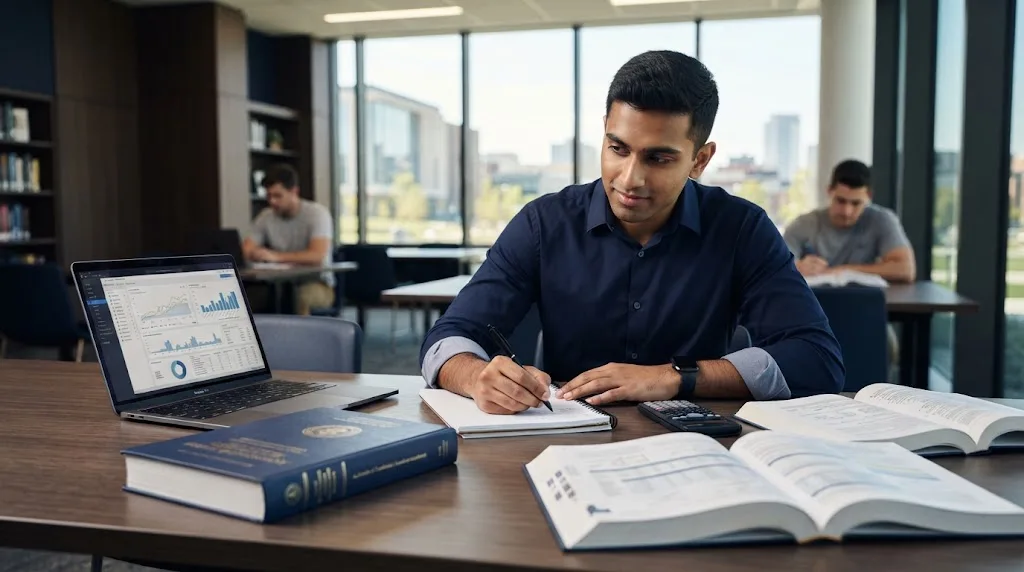
Building a career in accounting requires more than simply understanding numbers. Students who want to enter the accounting and finance profession need a combination of technical knowledge, analytical thinking, communication skills, and professional awareness. Choosing the right educational path early can make the journey more organized and productive.
Understanding Your Career Goals
Before selecting a professional qualification or course, students should consider what they want to achieve. Accounting offers opportunities in areas such as auditing, taxation, financial management, business consulting, and corporate finance.
Having a clear direction can help students choose learning opportunities that match their interests. It can also prevent them from selecting a course simply because it is popular without considering whether it supports their long-term plans.
Choosing the Right Learning Environment
The learning environment can have a significant impact on a student's progress. A good educational institute should provide structured learning, experienced instructors, useful study resources, and opportunities to understand how accounting concepts apply in professional situations.
Students researching the best institute for ACCA should look beyond advertising and compare factors such as teaching quality, course structure, student support, learning resources, and flexibility. The right environment can make difficult subjects easier to understand and help students remain consistent with their studies.
The Importance of Flexible Learning
Students today have access to more learning options than ever before. Online education has made it possible to study professional subjects from different locations while maintaining other academic or personal responsibilities.
Flexible learning can be especially useful for students who need to balance professional qualifications with university, school, internships, or work. Students considering ACCA Online Admission can explore online learning options that allow them to organize their studies around their existing schedules.
Developing Skills Beyond Accounting
Although technical accounting knowledge is essential, successful professionals also need strong transferable skills. Communication, problem-solving, teamwork, time management, and analytical thinking can all contribute to long-term career development.
Students can develop these abilities through presentations, group projects, internships, competitions, and other practical activities. These experiences can help them become more confident when communicating with colleagues, clients, and business leaders.
Preparing for the Modern Finance Industry
The accounting profession continues to change as businesses adopt digital tools, automation, artificial intelligence, and data-driven decision-making. Future accounting professionals need to understand traditional financial principles while remaining comfortable with modern technology.
Developing digital awareness alongside accounting knowledge can help students adapt to changing workplace expectations. Continuous learning is increasingly important because professional skills and industry practices can evolve throughout a person's career.
Building a Long-Term Career
Choosing professional education is an important step, but career development does not end after completing a qualification. Students should continue improving their technical knowledge, professional communication, and practical experience.
A strong education can provide the foundation, while internships, projects, networking, and continuous learning can help students turn that foundation into real career opportunities.
Ultimately, the right professional education path should provide both knowledge and preparation for the workplace. By choosing a suitable learning environment, developing practical skills, and remaining open to new technologies and opportunities, aspiring accounting professionals can build a strong foundation for a successful and adaptable career.