Delhi NCR is one of the fastest-growing real estate markets in India. New homes, offices, retail spaces, and hospitality projects are coming up every day across Gurugram, Noida, Faridabad, and Delhi itself. With so much construction activity, the demand for skilled design professionals has never been higher.
But here's the problem — with hundreds of designers and studios claiming to be the best, how do you actually find the right one for your project?
This guide will walk you through everything you need to know to choose the Best Interior Designer in Delhi NCR — from understanding different design specialisations to the exact questions you should ask before signing a contract. By the end, you'll know exactly what separates a truly skilled design partner from someone who simply calls themselves one.
Why Choosing the Right Designer Matters
Your home or workspace is not just a structure — it's where you live, work, and spend most of your time. A poorly planned interior can lead to wasted space, functional problems, and design choices that don't age well.
On the other hand, working with the right Interior Designer in Delhi ensures that your space is:
- Functional and tailored to how you actually live or work
- Aesthetically aligned with your personal or brand identity
- Built with quality materials and proper execution
- Completed within a realistic budget and timeline
This is why the selection process deserves real time and thought — not a rushed decision based on the first studio you come across on Google or Instagram.
Step 1: Understand the Different Types of Interior Designers
Not all interior designers do the same kind of work. Delhi NCR has a wide spectrum of design specialisations, and understanding these will help you narrow down your search significantly.
Residential and Luxury Interior Designers
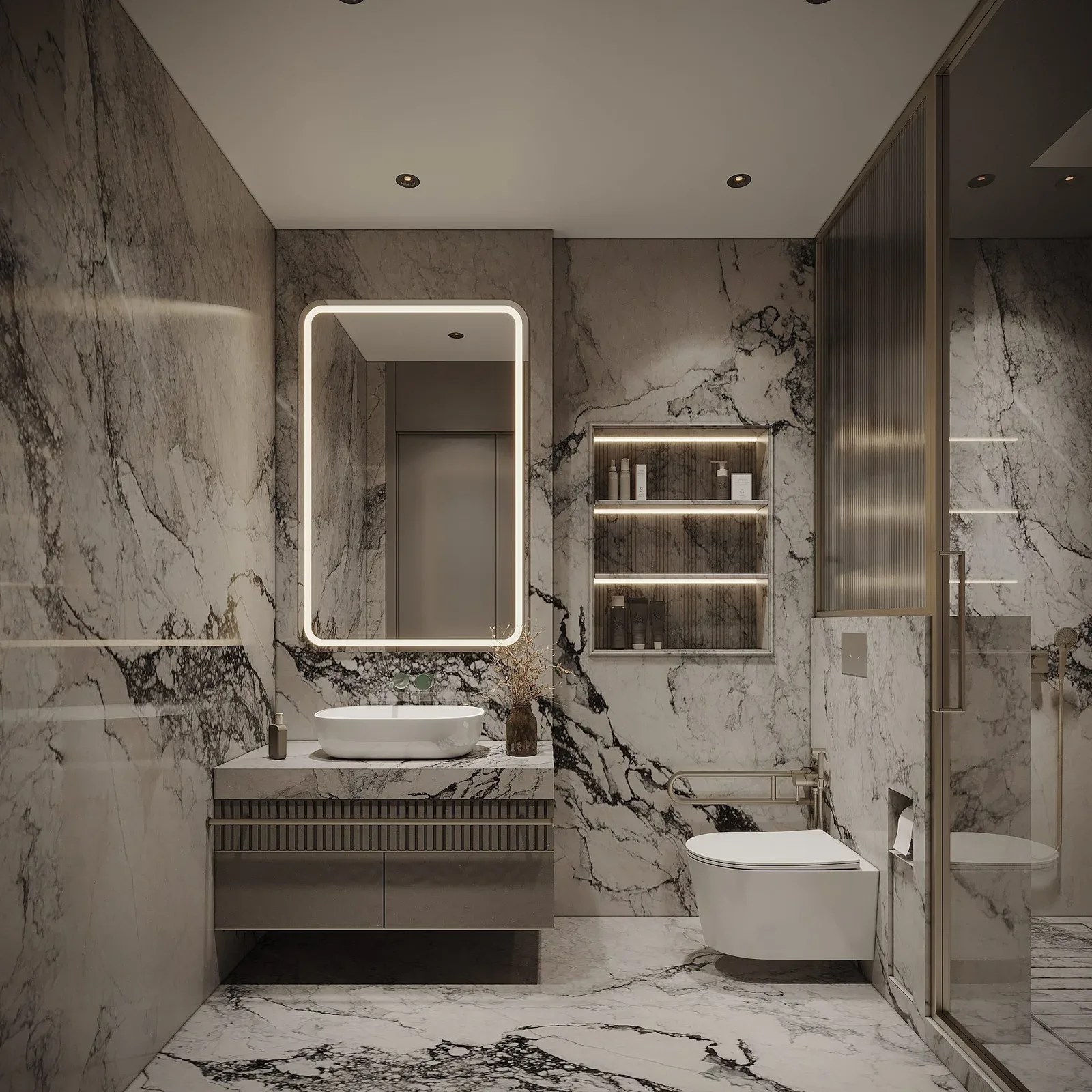
If you're designing a home, apartment, or villa, you'll want a Luxury Interior Designer in Delhi NCR who understands space planning, material selection, and how to personalise a home around your lifestyle. Luxury design isn't just about expensive finishes — it's about thoughtful detailing and a sense of comfort woven into every corner.
Commercial and Hospitality Interior Designers
Hotels, restaurants, and cafes require a completely different design approach compared to homes. A Hospitality Interior Designer in Delhi focuses on guest experience, ambience, durability of materials under heavy footfall, and brand storytelling through space.
Healthcare Interior Designers
Hospitals and clinics have very specific design requirements — hygiene, accessibility, patient comfort, and regulatory compliance all come into play. A Healthcare Interior Designer in Delhi understands these technical and emotional nuances, designing spaces that feel calming rather than clinical.
Industrial Interior Designers
Factories, warehouses, and industrial offices need a balance of functionality, safety, and efficient space utilisation. An Industrial Interior Designer in Delhi focuses on practical layouts without compromising on workplace aesthetics.
Once you know which category your project falls under, your search becomes far more focused.
Step 2: Look Beyond Just the Portfolio
Most people start their search by browsing Instagram pages or websites and judging a designer purely on visuals. While a strong portfolio is important, it shouldn't be the only factor.
Here's what else to evaluate:
Experience and Specialisation
How long has the studio been operating? Have they worked on projects similar in scale and type to yours? An Interior Design Company with years of cross-category experience — across residential, commercial, and institutional projects — typically brings more problem-solving ability to the table.
Design Philosophy
Every designer has a particular approach. Some lean toward maximalism, others toward minimalism and contextual design. Make sure their philosophy aligns with what you envision for your space.
Technical and Architectural Understanding
This is often overlooked. A designer who also understands architecture — structural limitations, lighting, ventilation, and material science — will create spaces that are not just beautiful, but also practical and long-lasting. This is why many people specifically search for an Architect & Interior Designer, rather than just a decorator, when planning bigger projects.
Step 3: Ask the Right Questions Before Hiring
Before signing any contract, here are the essential questions to ask:
- What is included in your design fee? Some studios charge only for design plans, while others include execution, vendor coordination, and site supervision.
- What is your typical project timeline? Get a realistic estimate and ask how delays are communicated and handled.
- Do you provide 3D visualisations before execution begins? This helps avoid costly changes mid-project.
- Can I see case studies or speak to past clients? References reveal a lot about reliability and communication style.
- How do you handle budget overruns or material shortages? Their answer will tell you how transparent and solution-oriented they are.
A studio that answers these clearly and confidently — without vague promises — is usually a strong sign of professionalism.
Step 4: Evaluate Communication and Process
Good design is a collaborative process. Throughout your project, you'll need consistent updates, clear documentation, and a single point of contact who understands your priorities.
Ask about their workflow: Do they begin with a detailed brief and mood board? Do they offer revision rounds? How do they manage contractors and vendors on-site? A structured, transparent process — from the first meeting to final handover — is one of the clearest indicators of a dependable Best Interior Designer in Delhi NCR.
Pros and Cons of Hiring a Professional Interior Designer
Pros
- Access to industry expertise in space planning, materials, and execution
- Better budget management through vendor relationships and bulk sourcing
- Time-saving, since professionals handle coordination and problem-solving
- A polished, cohesive final result rather than a DIY patchwork
Cons
- Professional design services come at a cost, which may not suit very tight budgets
- Finding the right designer requires research and time upfront
- Some creative compromises may be needed to align vision with practical constraints
Despite the cons, most homeowners and businesses find that the long-term value — both functional and financial — outweighs the upfront investment.
Frequently Asked Questions
Q1: How much does it cost to hire an interior designer in Delhi NCR?
Costs vary widely based on project size, scope, and the designer's experience. Some charge a flat fee, others per square foot, or a percentage of the total project cost. Always ask for a detailed breakdown before starting.
Q2: How long does a typical interior design project take?
A single room may take a few weeks, while a full home or commercial space can take several months from concept to handover, depending on complexity and approvals.
Q3: Should I hire an architect and interior designer separately, or one firm for both?
Hiring a firm that offers both services — like an Architect & Interior Designer under one roof — often leads to better coordination, fewer communication gaps, and a more unified design outcome.
Q4: Can an interior designer help with a small budget project too?
Yes. Many studios offer scalable services and can work within defined budgets by prioritising key design elements first.
Final Thoughts
Choosing the right interior designer in Delhi NCR isn't about picking the most popular name you find online — it's about finding a team whose expertise, process, and design philosophy genuinely align with your project's needs. Take the time to evaluate experience, ask the right questions, and review past work carefully before making a decision.
A well-chosen design partner won't just create a beautiful space — they'll create one that works for the way you actually live, work, or run your business.
Found this guide helpful? Share it with someone who's planning a home or office makeover, and drop your questions in the comments — we'd love to help you take the next step toward your dream space.