
Infection control is a cornerstone of good healthcare practice, whether in a clinical setting or at home. Disinfectants and antiseptics are often used interchangeably, but they serve very different purposes. Choosing the wrong product for the wrong situation can reduce effectiveness or even cause harm. This guide explains the key differences, types, and uses of these products, helping you make informed choices for safe and effective infection control.
Disinfectants vs Antiseptics: Understanding the Basics
The fundamental difference between disinfectants and antiseptics lies in where and how they are used. Disinfectants are formulated to kill or reduce microorganisms on non-living surfaces such as floors, equipment, countertops, and medical instruments. They are typically too harsh to be applied directly to human skin, as they can cause irritation, dryness, or chemical burns depending on their concentration and formulation.
Antiseptics, on the other hand, are specifically designed to be used on living tissue, skin, wounds, and mucous membranes to reduce the risk of infection without causing significant harm to the body. They are commonly used before injections, during wound care, and as part of pre-surgical skin preparation.
Understanding this distinction is the first step toward making an informed choice. Applying a surface disinfectant to skin, or expecting an antiseptic to fully sanitize equipment, can lead to ineffective infection control and unnecessary risk to both patients and caregivers. Knowing which product category you need is essential before comparing brands or formulations.
Types of Disinfectants
Different disinfectants are used for different healthcare applications. The most common types include:
Alcohol-based disinfectants: Commonly used for certain surfaces and equipment. They evaporate quickly and are suitable for routine disinfection when recommended by the manufacturer.
- Chlorine-based disinfectants: Widely used on appropriate healthcare surfaces due to their broad antimicrobial activity. Correct concentration and contact time are important.
- Aldehyde-based disinfectants: Used for specific medical equipment and high-level disinfection. These products require careful handling and proper ventilation.
- Quaternary ammonium compounds: Used for cleaning and disinfecting certain environmental surfaces. Their effectiveness depends on the formulation and intended application.
Common Uses of Antiseptics in Patient Care
The uses of antiseptics vary according to the product and its approved application. They are commonly used for skin preparation before certain medical procedures, helping healthcare professionals maintain appropriate skin hygiene.
Antiseptic products may also be used to clean the skin before injections or other procedures when indicated. Hand antiseptic products are another important part of routine hand hygiene.
Some antiseptic preparations may also be used for minor wound care when appropriate. However, not every antiseptic is suitable for every wound or situation, so product instructions and professional advice should be followed.
Healthcare Disinfectant & Antiseptic Products to Consider
Medigrip Alcohol Swabs are convenient, ready-to-use swabs designed for appropriate skin preparation applications. Their individual-use format makes them practical for clinics, healthcare professionals, and routine procedures where an alcohol swab is indicated.
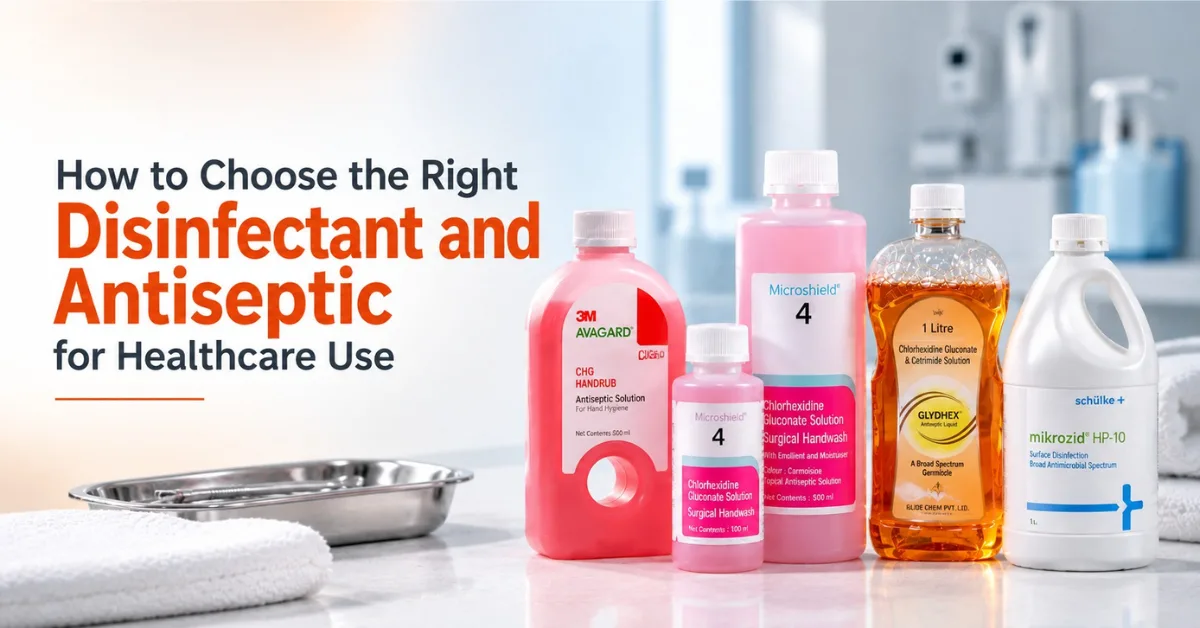
3M Avagard Handrub Hand Sanitizer is intended to support hand hygiene in healthcare environments. Hand hygiene is an important part of infection prevention, particularly when healthcare professionals regularly interact with patients and equipment.
Formalin Tablets are intended for specific vapour sterilisation applications involving suitable equipment and enclosed environments. Formalin-based products require careful handling because of their chemical hazards. They should only be used according to applicable instructions, safety requirements, and professional protocols.
Betadine PVP Solution 10% contains povidone-iodine and is used for appropriate antiseptic and skin-preparation applications. Before use, check the product directions and ensure that the formulation is suitable for the intended purpose.
3M PVP Betadine Skin Prep Solution 10% is designed for skin preparation applications. When choosing a skin-preparation product, consider the procedure, intended application, product instructions, and any relevant healthcare protocol.
How to Choose the Right Disinfectant or Antiseptic
- Identify where the product will be used, such as skin, surfaces, instruments, or medical equipment.
- Check whether you need it for cleaning, disinfection, antisepsis, or sterilisation.
- Review the active ingredient and confirm that it is suitable for the intended use.
- Follow the manufacturer's recommended contact or exposure time.
- Make sure the product is compatible with the material being treated.
- Follow all safety instructions, including dilution, ventilation, storage, and handling requirements.
Where to Buy Genuine Antiseptic and Disinfectant Products Online in India
With the growing demand for home healthcare products, finding reliable and authentic antiseptic products online in India has become increasingly important. Not all sellers offer verified, quality-assured medical products, which can compromise both safety and effectiveness, particularly for products used directly on skin or wounds.
Choosing a trusted platform like SurgiNatal ensures that the products you receive meet quality standards and are suitable for the intended medical use, whether for professional healthcare settings or everyday home patient care.
Conclusion
Choosing the right disinfectant or antiseptic isn't just about following a checklist; it's about understanding the purpose behind each product and using it correctly to ensure safety and effectiveness. From surface disinfectants and sterilisation tablets to skin-safe antiseptics and clinical-grade hand sanitizers, having the right products on hand makes a meaningful difference in infection control.
SurgiNatal offers a trusted range of antiseptic and disinfectant products designed for both healthcare professionals and home caregivers. Whether you need wound care solutions, pre-procedure skin prep, or reliable hand hygiene products, SurgiNatal makes it easier to find genuine, quality-assured options for everyday and clinical healthcare needs.
Frequently Asked Questions (FAQs)
Q1. What are the common types of disinfectants?
Common categories include alcohol-based, chlorine-based, aldehyde-based, and quaternary ammonium disinfectants. The appropriate choice depends on the intended application.
Q2. How often should hand sanitizers be used in healthcare settings?
Hand hygiene should be practiced before and after patient contact, before procedures, and after removing gloves, using clinical-grade hand rubs where possible.
Q3. Where can I buy genuine antiseptic and disinfectant products online in India?
You can find a trusted range of verified antiseptic and disinfectant products through SurgiNatal, ensuring quality and reliability for both clinical and home use.
Q4. Can disinfectants be used on human skin?
Generally, surface disinfectants should not be applied to human skin unless the product specifically states that it is suitable for that purpose.
Q5. How should disinfectant liquid be used safely?
Follow the manufacturer's instructions for dilution, application, contact time, ventilation, protective equipment, storage, and disposal.