Choosing a dental clinic is an important decision, especially when you need more than a routine check-up. Different dental problems require different types of treatment, and the quality of diagnosis can influence the treatment approach. Rather than choosing a clinic based only on advertisements or location, patients should consider several practical factors before making a decision.
Look at the Dentist's Qualifications and Experience
One of the first things to consider is the dentist's education, specialization, and clinical experience. General dental problems can often be managed by a general dentist, while conditions such as gum disease, complex root canal problems, orthodontic concerns, or missing teeth may require a specialist.
Understanding who will be handling your treatment can help you make a more informed decision.
Check the Range of Dental Services
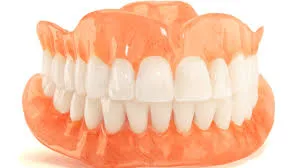
A clinic that provides different types of dental care can be convenient when patients require multiple treatments over time. Common services may include preventive dentistry, fillings, root canal treatment, gum care, dental crowns, dentures, orthodontics, pediatric dentistry, and dental implants.
However, having many services listed does not necessarily mean every treatment is suitable for every patient. The treatment should always be based on proper examination and diagnosis.
Consider the Diagnostic Facilities
Accurate diagnosis is an important part of dental treatment. Depending on the condition, dentists may use dental X-rays, digital imaging, CBCT scans, or other diagnostic methods.
Good diagnostic facilities can help dentists understand problems that may not be visible during a routine examination. This is particularly useful for complex root canal cases, dental implant planning, impacted teeth, jaw-related problems, and certain oral conditions.
Pay Attention to Hygiene and Infection Control
Cleanliness should be a basic consideration when selecting any healthcare facility. Patients can look for well-maintained treatment rooms, properly sterilized instruments, clean waiting areas, and appropriate infection-control procedures.
Do not hesitate to ask the dental team about sterilization and hygiene practices if you have concerns. A professional clinic should be comfortable explaining its procedures.
Read Reviews Carefully
Online reviews can provide useful information about a patient's experience, but they should not be the only factor in choosing a dentist.
Look for patterns rather than relying on one extremely positive or negative review. Reviews may provide insights into appointment management, communication, waiting times, staff behaviour, and overall patient experience.
At the same time, clinical decisions should be based on professional evaluation rather than online ratings alone.
Consider the Clinic's Approach to Treatment
A good dental consultation should give patients an opportunity to understand their condition and available treatment options. The dentist should explain the problem, discuss suitable alternatives, and clarify the expected benefits, limitations, risks, and maintenance requirements.
Patients should feel comfortable asking questions before agreeing to treatment.
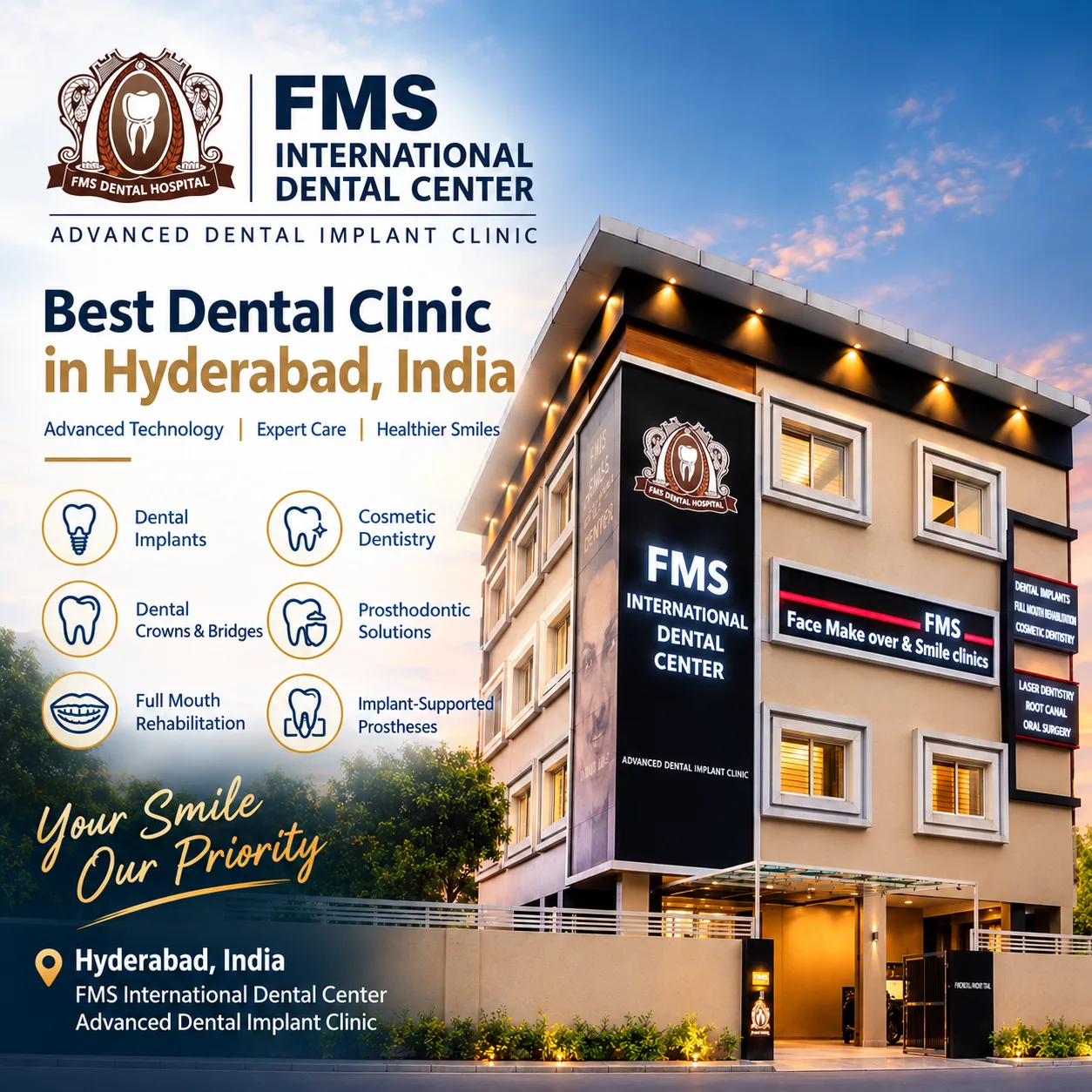
When people search for the best dental clinic in Hyderabad, India, it is useful to compare factors such as dentist qualifications, treatment expertise, diagnostic facilities, hygiene standards, patient communication, and follow-up care rather than relying only on search rankings.
Understand the Treatment Plan and Costs
Before starting major dental treatment, ask for a clear explanation of the proposed procedure and associated costs. Depending on the treatment, the overall expense may include consultation, diagnostic tests, procedures, laboratory work, medicines, or follow-up appointments.
For treatments such as implants, crowns, orthodontics, or full-mouth rehabilitation, it can also be helpful to understand what is included in the quoted cost.
Ask About Follow-Up Care
Dental treatment does not always end when the procedure is completed. Some treatments require follow-up visits to monitor healing, adjust appliances, check restorations, or maintain oral health.
For example, patients receiving orthodontic treatment may need regular adjustments, while patients with gum disease may require periodic maintenance. Understanding the follow-up schedule beforehand can make the treatment process easier to manage.
Choose Based on Your Specific Dental Need
The most suitable dental clinic depends partly on the problem you need to address. Someone looking for routine preventive care may have different requirements from a patient who needs an implant, orthodontic treatment, or complex restorative work.
Before choosing a clinic, consider:
- The type of dental problem you have
- The dentist's qualifications and specialization
- Available diagnostic facilities
- Treatment options offered
- Hygiene and sterilization practices
- Communication and consultation process
- Follow-up and maintenance
- Transparency about treatment costs
Why Diagnosis Should Come Before Treatment
Dental symptoms do not always indicate a single problem. Tooth sensitivity, for example, may be associated with decay, gum recession, enamel wear, or other conditions. Similarly, tooth pain does not automatically mean that a root canal is required.
A proper examination allows the dentist to identify the underlying cause and determine whether treatment is actually necessary. In some situations, preventive care or a less invasive treatment may be sufficient.
A Brief Look at FMS Dental
FMS Dental is a dental healthcare network that began in Hyderabad in 1993. Its services cover multiple areas of dentistry, including implantology, restorative dentistry, endodontics, orthodontics, periodontics, prosthodontics, pediatric dentistry, and cosmetic dentistry.
The organization operates dental centres across Hyderabad and Secunderabad, along with a centre in Kochi. Its website also describes specialist-led departments and diagnostic and laboratory facilities intended to support different types of dental treatment.
For patients, this type of multi-specialty setup can be useful when a dental problem requires assessment from more than one area of dentistry. However, as with any healthcare provider, patients should evaluate their individual treatment requirements and discuss the available options with a qualified dental professional.
Maintaining Oral Health After Treatment
Even successful dental treatment requires ongoing oral care. Brushing twice a day with fluoride toothpaste, cleaning between the teeth, limiting frequent sugary foods and drinks, and attending regular dental check-ups can help maintain oral health.
Patients should also follow any specific instructions provided by their dentist after treatment. Proper maintenance can help protect natural teeth as well as dental restorations.