Living with chronic neck or back pain can affect almost every part of daily life. Simple activities such as walking, sitting, working, or sleeping may become difficult when spinal discs are damaged. When medications, physical therapy, and other treatments do not provide enough relief, surgery may become an option.
Artificial disc replacement is one surgical treatment that aims to reduce pain while preserving movement in the spine. However, choosing an experienced Artificial Disc Replacement Surgeon is an important part of the treatment process.
Understanding the procedure, the surgeon's experience, and the possible outcomes can help patients make informed decisions about their spinal health.
What Is Artificial Disc Replacement Surgery?
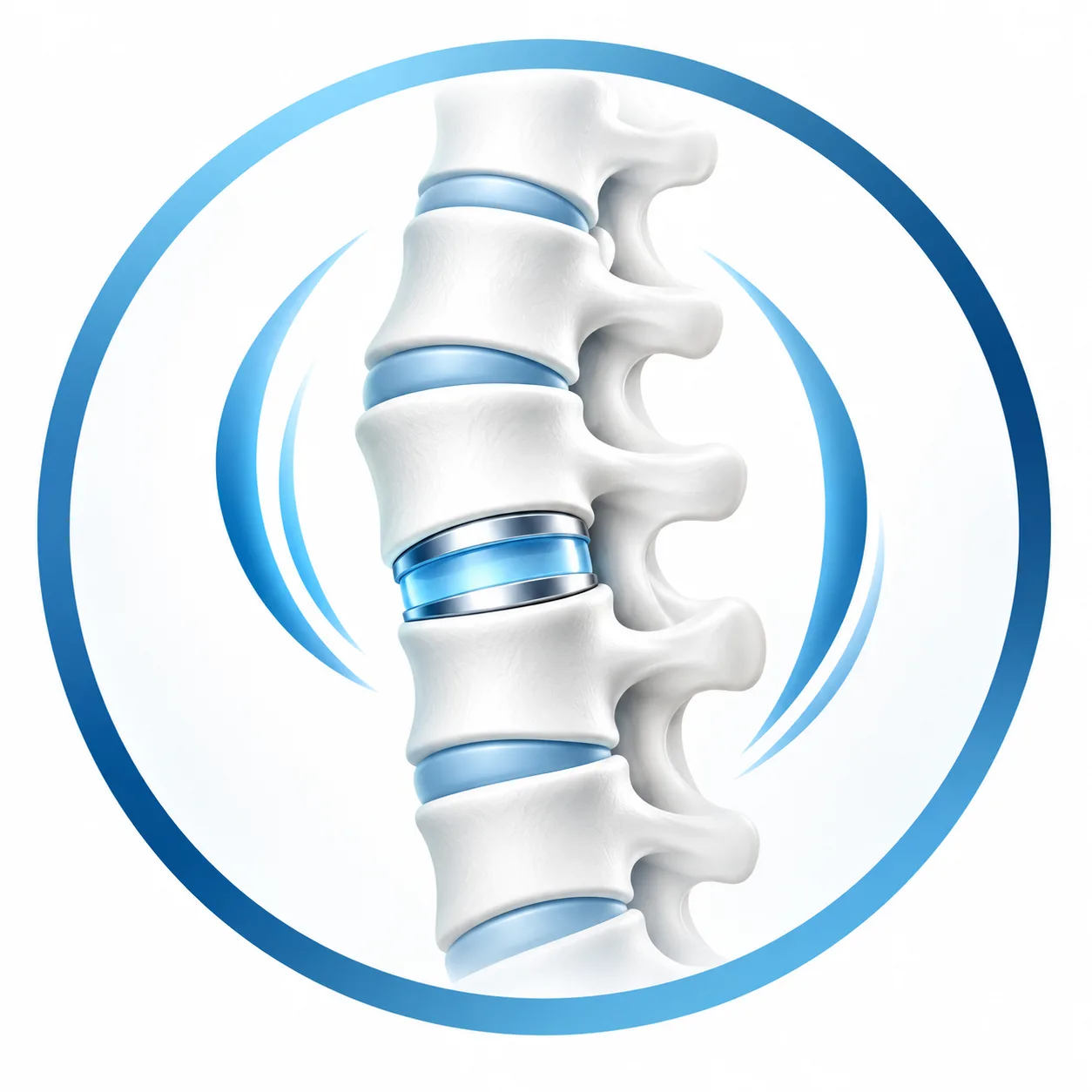
Artificial Disc Replacement Surgery is a procedure in which a damaged spinal disc is removed and replaced with an artificial device. The replacement disc is designed to maintain movement between the vertebrae while helping restore disc height and spinal function.
Unlike spinal fusion, which permanently joins two or more vertebrae, artificial disc replacement aims to preserve movement at the treated spinal level.
The procedure is generally performed in two areas of the spine:
- Cervical Disc Replacement: Treats certain damaged discs in the neck.
- Lumbar Disc Replacement: Treats certain damaged discs in the lower back.
Not every patient with a damaged disc is suitable for this procedure. A specialist must review the patient's symptoms, medical history, imaging results, and spinal condition before recommending surgery.
Why Choosing an Experienced Artificial Disc Replacement Surgeon Matters
Artificial disc replacement requires detailed knowledge of spinal anatomy, surgical techniques, and artificial disc technology.
The surgeon must determine whether the procedure is appropriate, which spinal levels need treatment, and which device is suitable for the patient's condition.
An experienced surgeon can also identify situations where another treatment, such as spinal fusion or decompression surgery, may be more appropriate.
1. Experience With Artificial Disc Replacement Procedures
One of the first things patients should consider is the surgeon's experience with artificial disc replacement.
A surgeon who regularly performs these procedures may have greater familiarity with different spinal conditions, surgical approaches, and artificial disc devices.
Patients should ask how many cervical and lumbar disc replacement procedures the surgeon has performed and whether they have experience treating similar conditions.
2. Knowledge of Different Artificial Disc Devices
Several artificial disc designs are available, and each has different characteristics.
Selecting the right device depends on factors such as spinal anatomy, disc height, bone quality, and the location of the damaged disc.
A qualified Artificial Disc Replacement Surgeon should understand the benefits, limitations, and clinical evidence associated with different devices.
The choice should be based on the patient's medical needs rather than a preference for one particular implant.
3. Detailed Patient Evaluation
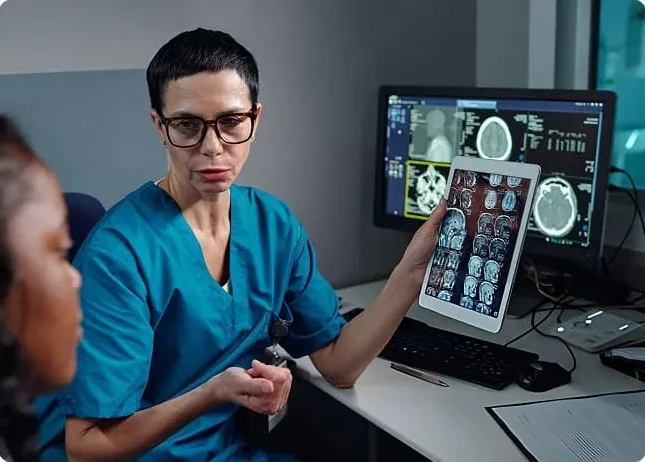
Before recommending surgery, the surgeon should conduct a complete medical evaluation.
This generally includes reviewing MRI scans, X-rays, and other diagnostic tests when necessary.
The evaluation helps identify the source of pain and determine whether artificial disc replacement is suitable.
Conditions such as severe osteoporosis, significant spinal instability, advanced facet joint arthritis, or certain spinal deformities may make disc replacement unsuitable.
4. Experience With Complex Spine Conditions
Some patients have more complicated spinal problems, including damage at multiple disc levels or previous spine surgery.
These cases require careful planning and specialized surgical experience.
A surgeon familiar with complex spinal conditions can evaluate whether disc replacement, fusion, or a combination of procedures offers the most appropriate treatment.
5. Clear Communication About Risks and Recovery
Patients should feel comfortable discussing their concerns before surgery.
A reliable surgeon explains the expected benefits, possible complications, recovery process, and limitations of the procedure.
Artificial disc replacement carries risks, including infection, nerve injury, implant movement, wear, and the possibility of additional surgery.
Understanding these risks helps patients develop realistic expectations.
What Are the Potential Benefits of Artificial Disc Replacement?
For appropriately selected patients, artificial disc replacement offers several potential advantages.
Preserving spinal movement: The artificial disc is designed to allow movement at the treated level.
Reducing pain: Removing a damaged disc may relieve certain types of neck or back pain and associated nerve symptoms.
Maintaining flexibility: Preserving movement may help patients perform everyday activities more comfortably after recovery.
Avoiding fusion at the treated level: Disc replacement provides an alternative to permanently joining vertebrae.
Supporting functional recovery: Some patients can return to normal activities relatively quickly, depending on their condition and recovery progress.
However, results vary between individuals. Artificial disc replacement does not guarantee complete pain relief or prevent future spinal problems.
Artificial Disc Replacement in Germany: Expertise and Treatment Options
Germany is one of the countries where specialized spinal centers offer cervical and lumbar artificial disc replacement procedures.
Patients considering treatment abroad should research the surgeon's qualifications, hospital facilities, available implant technologies, and postoperative care arrangements.
One surgeon associated with artificial disc replacement in Germany is Prof. Dr. Rudolf Bertagnoli, who has extensive experience in motion-preserving spine surgery.
According to his practice, Dr. Bertagnoli has performed more than 10,000 artificial disc replacement procedures and has contributed to research, surgical education, and spinal implant development.
His work includes cervical and lumbar disc replacement, multilevel procedures, and complex spinal cases.
Patients researching experienced surgeons can learn more about his approach to Artificial Disc Replacement Surgery and the treatment options available through his practice.
Regardless of the surgeon or country selected, patients should independently review credentials, treatment recommendations, and follow-up care arrangements.
Important Questions to Ask Before Choosing a Surgeon
Before making a final decision, patients should prepare questions for their consultation.
Some important questions include:
- Am I a suitable candidate for artificial disc replacement?
- How many artificial disc replacement procedures have you performed?
- What type of artificial disc would you recommend for my condition?
- What are the risks and possible complications?
- How long will recovery take?
- What happens if the artificial disc fails or requires revision?
- What follow-up care will I need after surgery?
The answers can help patients understand the surgeon's experience and the proposed treatment plan.
Final Thoughts
Choosing the right Artificial Disc Replacement Surgeon requires more than comparing qualifications or reading patient reviews.
Patients should consider surgical experience, knowledge of artificial disc technology, diagnostic methods, and the surgeon's ability to explain treatment options clearly.
Artificial disc replacement can be an effective option for certain patients with damaged spinal discs, but it is not suitable for everyone.
A comprehensive evaluation and an informed discussion with a qualified spine specialist are essential before deciding on surgery.