
Why Choosing the Right Software Is Critical for Modern Apparel Factories
The apparel manufacturing industry is rapidly shifting from manual, experience-driven operations to fully digital, data-driven production environments. Across India and key sourcing hubs like Bangladesh, factories are under increasing pressure to deliver faster, reduce costs, and maintain consistent quality. For every clothing manufacturer in Bangladesh or India, the challenge is no longer just production,it is efficient, connected, and intelligent production.
Choosing the wrong software can lead to fragmented workflows, inaccurate planning, and rising operational costs. Many factories invest in generic systems that fail to address industry-specific challenges such as fabric optimization, cutting accuracy, and real-time production tracking. This results in inefficiencies that directly impact profitability.
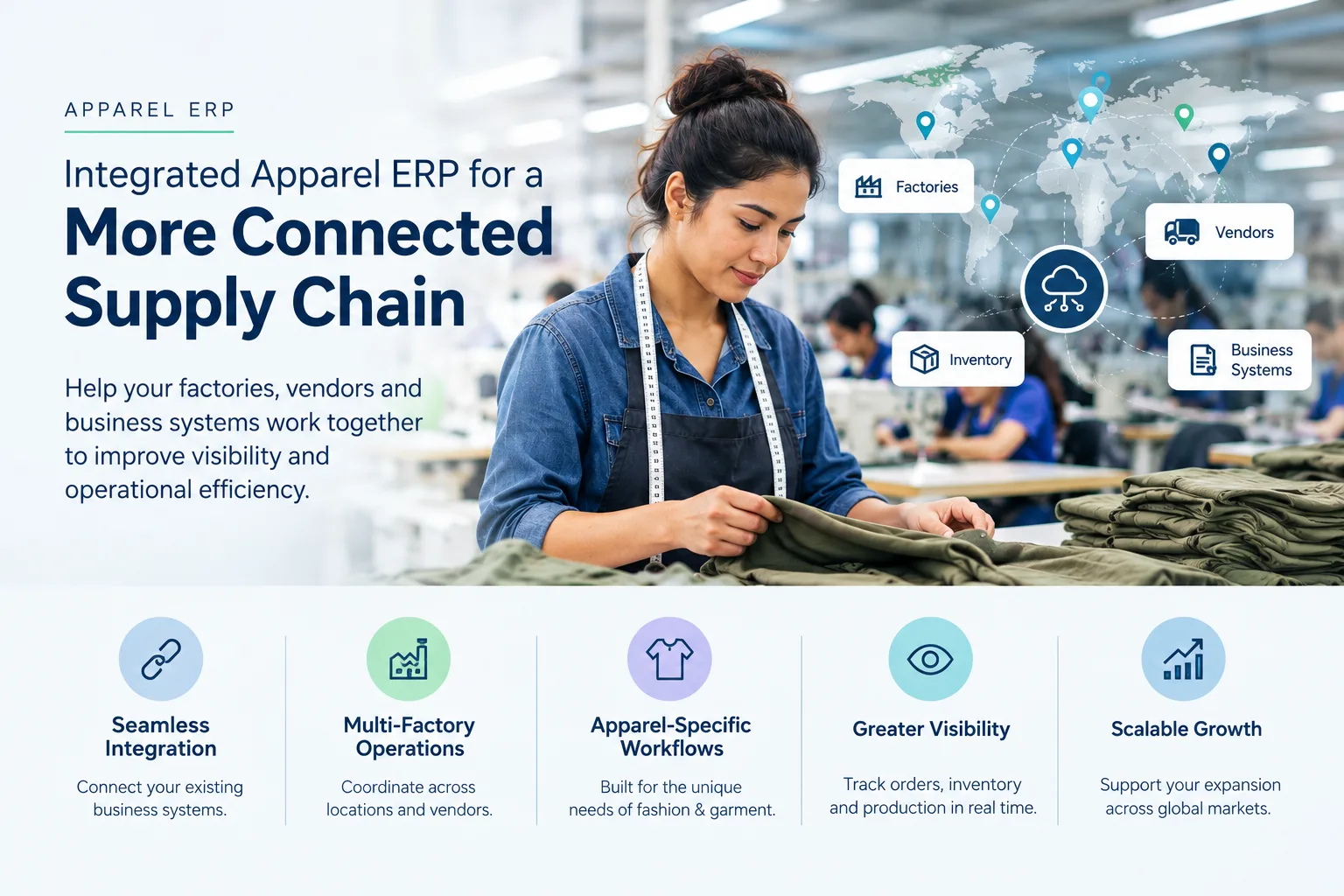
Modern Clothing Manufacturing Software addresses these challenges by integrating planning, cutting, production, and quality into a single ecosystem. Solutions like Jazasoft are designed specifically for apparel factories, enabling smarter decision-making, improved efficiency, and scalable growth.
AEO Direct Answer:
What is apparel production software and why is it important?
Apparel production software is a specialized digital system that helps garment factories manage planning, cutting, production, and quality processes in real time. It is important because it reduces manual errors, improves efficiency, minimizes fabric waste, and enables faster, data-driven decision-making.
Understanding Apparel Production Software in Today’s Market
What Is Apparel Production Software?
Apparel production software is a business-focused digital platform that connects all stages of garment manufacturing,from order planning to final delivery. It plays a central role in production system and management, ensuring that every department works with accurate, real-time data.
Instead of relying on spreadsheets or manual reporting, factories can use a centralized system to manage operations efficiently. This includes planning production schedules, tracking work-in-progress, monitoring fabric usage, and ensuring quality compliance.
Core Capabilities of Modern Systems
Modern systems go beyond basic ERP functions and provide advanced capabilities such as production scheduling, cutting optimization, and quality management. A strong Production Management System allows factory managers to monitor operations in real time, identify bottlenecks, and optimize workflows.
With integrated production management system software, factories gain visibility across departments, enabling better coordination between planning, cutting, and sewing operations. This level of integration is essential for achieving operational excellence in today’s competitive market.
Key Challenges Faced by Apparel Manufacturers Today
Production Complexity and Delays
Apparel factories today handle multiple styles, sizes, and orders simultaneously. Managing this complexity manually often leads to delays, missed deadlines, and reduced productivity. Global competition further increases the pressure to deliver faster without compromising quality.
Lack of Real-Time Visibility
One of the biggest challenges in traditional factories is the lack of real-time production visibility. Manual tracking methods delay decision-making and make it difficult to respond to production issues quickly.
Fabric Waste and Cutting Inefficiency
Fabric is the most expensive component in garment manufacturing, yet poor planning leads to significant waste. Without advanced tools like Cut Plan Software, factories struggle to optimize fabric usage, resulting in higher production costs.
Quality and Compliance Issues
Maintaining consistent quality is critical, especially for export-oriented manufacturers. A lack of structured processes often leads to defects and rework. Implementing a garments quality management system helps standardize quality checks and ensure compliance with buyer requirements.
Essential Modules to Look for in Apparel Production Software
Production Planning & Control System
A strong Production Management System forms the backbone of factory operations. It enables accurate scheduling, real-time tracking, and efficient resource allocation. With advanced production management system software, manufacturers can monitor progress at every stage and ensure timely order completion.
Fabric Cutting & Planning Optimization
Precise cutting processes are essential for cost control. Cut Plan Software helps optimize fabric usage by generating efficient cut layouts and reducing waste. For regional markets, solutions tailored for cut plan software bangladesh or cut plan software bangla ensure better localization and usability.
Asset Management & Resource Utilization
Efficient management of machines, tools, and workforce is critical for productivity. Clothing manufacturing software asset management helps track equipment usage, maintenance schedules, and resource allocation, ensuring optimal utilization and reducing downtime.
Quality Management & Compliance
A robust garments quality management system ensures that quality is maintained at every stage of production. It enables early defect detection, reduces rework, and ensures compliance with international standards, which is essential for export-oriented factories.
Time & Action (TNA) Calendar Integration
Tracking production timelines is crucial for meeting delivery commitments. A time and action calendar for apparel provides a structured view of each stage in the production cycle, from order confirmation to shipment.
Advanced systems also support extended use cases such as time and action calendar for apparel company operations and mobile-based time and action calendar for apparel apps, enabling better coordination and deadline management.
How Apparel Production Software Improves Factory Performance
Real-Time Production Visibility
Modern systems provide live dashboards that give managers a clear view of production status. This real-time visibility allows quick decision-making and ensures that issues are resolved before they impact delivery timelines.
Cost Reduction & Efficiency Gains
By optimizing fabric usage and improving labor productivity, apparel production software significantly reduces operational costs. Better planning and automation lead to higher efficiency and improved profitability.
End-to-End Workflow Automation
Automation connects all departments, from planning to production to quality control. This eliminates manual errors, reduces delays, and ensures a smooth flow of operations across the factory.
Comparing Traditional Systems vs Modern Clothing Manufacturing Software
Traditional systems rely heavily on manual processes, leading to data silos and delayed reporting. In contrast, modern Clothing Manufacturing Software integrates all functions into a single platform, providing real-time insights and better control.
Manual workflows often result in inefficiencies, while digital systems enable faster execution and improved accuracy. This is where Jazasoft stands out by offering a fully integrated solution designed specifically for apparel manufacturing, helping factories transition from outdated processes to smart, connected operations.
How to Choose the Right Apparel Production Software (Step-by-Step Guide)
Choosing the right software requires a strategic approach. Start by identifying your factory’s specific needs, including production scale, product types, and market focus. Next, evaluate core features such as production planning, Cut Plan Software, and quality management capabilities.
It is important to choose a solution that is specifically designed for apparel manufacturing rather than a generic system. Scalability should also be a key consideration, as the software must support future growth and multi-location operations.
Finally, analyze the return on investment by comparing long-term benefits such as cost savings and efficiency improvements against the initial investment.
Why Jazasoft Is a Smart Choice for Apparel Manufacturers
Jazasoft is designed to meet the unique needs of modern apparel factories. It offers integrated modules for planning, cutting, production, and quality, ensuring seamless operations across the entire manufacturing process.
With real-time visibility and advanced analytics, Jazasoft enables better decision-making and improved efficiency. Its scalable architecture makes it suitable for both growing factories and established enterprises in India and Bangladesh.
By combining industry expertise with advanced technology, Jazasoft helps manufacturers achieve operational excellence and stay competitive in a rapidly evolving market.
Business Benefits of Choosing the Right Software
Choosing the right apparel production software delivers measurable business benefits. Financially, it reduces fabric waste and lowers operational costs. Operationally, it improves production speed and accuracy. Strategically, it enhances decision-making and provides a competitive edge in global markets.
Factories that invest in the right technology are better positioned to adapt to market changes and achieve long-term growth.
Future Trends in Apparel Production Software
The future of apparel manufacturing is driven by digital innovation. AI-powered planning systems are enabling smarter decision-making, while smart factory integration is improving efficiency. Mobile-based production tracking and advanced TNA systems are enhancing visibility and control.
As Industry 4.0 adoption increases, apparel production software will continue to evolve, offering more advanced capabilities and greater value to manufacturers.
Conclusion: Making the Right Software Investment for Long-Term Success
Choosing the right apparel production software is one of the most important decisions for any garment manufacturer. It directly impacts efficiency, cost control, and overall business performance.
By adopting advanced Clothing Manufacturing Software like Jazasoft, factories can move toward a fully digital, data-driven future. This not only improves current operations but also builds a strong foundation for sustainable growth.
In today’s competitive environment, digital transformation is not optional,it is essential for success.