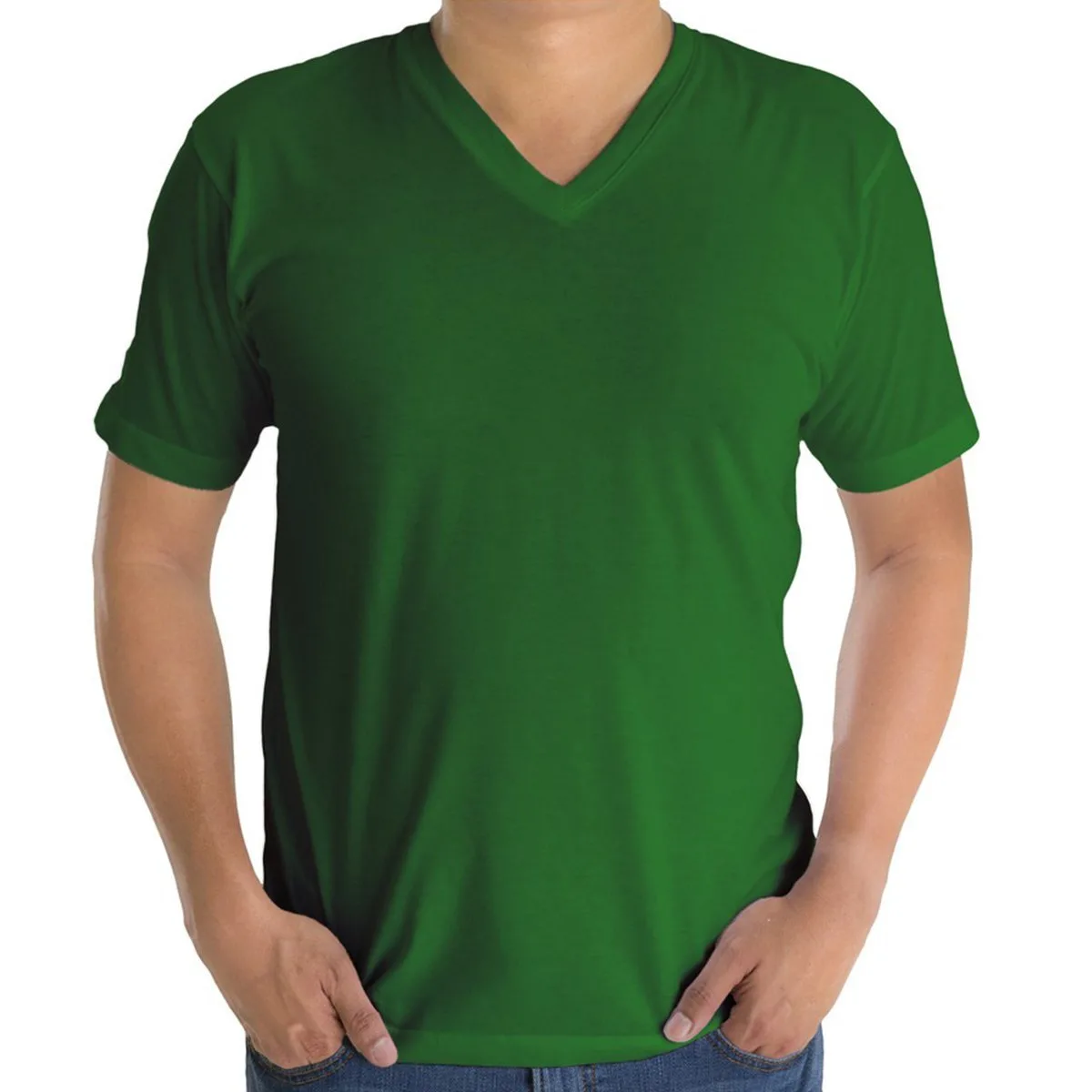
Starting a clothing brand can be an exciting and rewarding journey, but one of the most important decisions you will make is choosing the right T-shirt manufacturer. The manufacturer you select plays a major role in determining the quality of your products, the reliability of your supply chain, and ultimately the reputation of your brand. A good manufacturing partner will help you produce high-quality T-shirts, maintain consistency, and support the growth of your business.
If you are planning to launch your own clothing line or expand your existing apparel brand, understanding how to choose the best T-shirt manufacturer is essential.
Understand Your Brand Vision and Requirements
Before you begin searching for a T-shirt manufacturer, it is important to clearly define your brand’s vision and production needs. Think about the type of T-shirts you want to sell, the style of designs you plan to create, and the audience you want to target.
For example, some brands focus on basic everyday T-shirts made with soft cotton fabrics, while others create premium or designer apparel using specialty materials. You may also want to produce oversized T-shirts, athletic wear, eco-friendly clothing, or fashion-forward styles.
Additionally, consider the following factors:
- Fabric type and quality
- T-shirt fit and style
- Color options
- Printing or embroidery requirements
- Expected order quantities
When you clearly understand your product goals, it becomes easier to find a manufacturer that specializes in producing the type of T-shirts your brand requires.
Evaluate the Quality of Materials and Workmanship
Quality is one of the most important aspects of a successful clothing brand. Customers expect comfortable fabrics, durable stitching, and designs that last after multiple washes. Poor quality can quickly damage your brand reputation.
Before selecting a manufacturer, always request product samples. This allows you to evaluate the fabric softness, thickness, stitching quality, and overall construction of the garment. Pay close attention to details such as:
- Fabric durability
- Consistent sizing
- Smooth stitching and finishing
- Color accuracy
- Print or embroidery quality
Testing samples helps ensure the final products will meet your brand’s quality standards.
You may also read this link - Organic cotton t-shirts uniform
Check the Manufacturer’s Experience and Reputation
Experience matters in the apparel manufacturing industry. A manufacturer with years of experience usually has a better understanding of production processes, quality control, and industry trends.
Research the manufacturer’s background and look for information such as:
- Years of operation
- Previous clients or brands they have worked with
- Customer reviews and testimonials
- Certifications or industry standards
Working with an experienced T-shirt manufacturer reduces the chances of production errors and delays. Established companies also tend to have better systems in place for maintaining quality and meeting deadlines.
Look for Customization and Branding Options
If you want your clothing brand to stand out in a competitive market, customization is essential. A good T-shirt manufacturer should offer various branding and customization services.
These services may include:
- Screen printing
- Embroidery
- Heat transfer printing
- Private labeling
- Custom tags and labels
- Custom packaging
Customization options allow you to create unique designs and build a strong brand identity. For example, adding branded neck labels, custom packaging, or unique printing techniques can significantly enhance the perceived value of your products.
Understand Minimum Order Quantities (MOQs)
Many manufacturers require a minimum order quantity for each production run. This means you must order a certain number of T-shirts before they can begin production.
Minimum order quantities vary depending on the manufacturer and the type of product you want to produce. Some large factories may require thousands of pieces per order, while smaller manufacturers may accept smaller batch orders.
If you are launching a new clothing brand, it is often better to start with a manufacturer that offers lower MOQs. This reduces your initial investment and allows you to test your designs in the market before scaling production.
Note - Top Streetwear Trends for Men in 2026
Assess Production Capacity and Scalability
As your clothing brand grows, your production needs will increase. It is important to choose a manufacturer who can support your future expansion.
Ask potential manufacturers about their production capacity, including:
- Monthly production limits
- Ability to handle bulk orders
- Lead times for large quantities
- Availability during peak seasons
A manufacturer with scalable production capabilities ensures your brand can grow without facing supply shortages.
Compare Pricing and Value
Pricing is another important factor when choosing a T-shirt manufacturer. However, it is important to focus on value rather than simply choosing the cheapest option.
Low prices may sometimes indicate lower quality materials or poor workmanship. Instead, look for a manufacturer that offers a balance between quality and cost.
When comparing pricing, consider the following:
- Cost per unit
- Fabric quality
- Printing or customization costs
- Packaging options
- Shipping and logistics
A transparent pricing structure helps you calculate your profit margins and set appropriate retail prices for your products.
Evaluate Communication and Customer Support
Strong communication is essential for a successful manufacturing partnership. Delays, misunderstandings, or production mistakes can occur if communication is unclear.
Choose a manufacturer who responds quickly to your inquiries and provides detailed answers to your questions. Reliable manufacturers usually assign dedicated representatives to manage client communication.
Good communication ensures that your design specifications, timelines, and production expectations are clearly understood.
Enjoy the link - India best t shirt manufacturers
Request Prototypes or Sample Runs
Before committing to a large order, it is wise to request a prototype or small sample production run. This allows you to test your designs and confirm that the manufacturer can meet your quality and design expectations.
During this stage, review the following:
- Fit and sizing accuracy
- Fabric feel and comfort
- Print alignment and durability
- Label placement
- Overall product finish
Making adjustments at the sample stage can prevent costly mistakes during full-scale production.
Consider Ethical and Sustainable Manufacturing
Today’s consumers are increasingly aware of environmental and ethical issues in the fashion industry. Many clothing brands now prioritize sustainable manufacturing practices.
You may want to work with manufacturers who use:
- Organic or sustainable fabrics
- Ethical labor practices
- Environmentally friendly dyes
- Responsible waste management
Sustainable manufacturing not only supports responsible production but can also enhance your brand image and attract environmentally conscious customers.
Build a Long-Term Partnership
Choosing a T-shirt manufacturer is not just a one-time decision; it is the beginning of a long-term partnership. A reliable manufacturer can support your brand’s growth, help improve product quality, and offer valuable insights into the apparel industry.
Take time to build trust and maintain a professional relationship with your manufacturing partner. Clear communication, fair agreements, and consistent collaboration can lead to a successful and productive partnership for many years.
Final Thoughts
Selecting the best T-shirt manufacturer for your brand requires careful research and thoughtful decision-making. By focusing on quality, experience, customization options, production capacity, pricing transparency, and communication, you can find a manufacturer who aligns with your brand goals.
The right manufacturing partner will help you turn your creative ideas into high-quality T-shirts that customers love. With a strong foundation and a reliable supplier, your clothing brand will be better positioned to grow, compete, and succeed in the ever-evolving fashion industry.