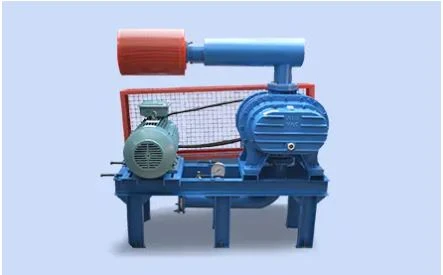
Rotary compressors are vital in industries ranging from manufacturing and construction to HVAC and pharmaceuticals. Known for their efficiency, compact design, and low vibration, these compressors have become the preferred choice where continuous, high-volume air supply is essential.
However, not all rotary compressors are created equal. Selecting the right one requires understanding key performance factors, technological differences, and long-term service implications. Whether you're upgrading existing systems or setting up a new facility, this guide walks you through the major factors to consider when choosing a rotary compressor that delivers long-term value.
Let’s explore the must-know features and selection criteria that define a truly reliable rotary compressor.
1. Understand the Two Main Types of Rotary Compressors
Before anything else, it's important to distinguish between the two major types:
- Rotary Screw Compressors: Best for continuous use, low noise levels, and higher efficiency.
- Rotary Vane Compressors: Suitable for intermittent duty, and often have simpler maintenance requirements.
Both types are efficient but serve slightly different use cases depending on your operating hours, air pressure needs, and budget.
2. Define the Application Area
Rotary compressors are used in a variety of sectors. Defining your industry-specific needs will guide the right product choice.
- Food & Beverage: Requires oil-free systems to avoid contamination.
- Automotive & Manufacturing: Prioritize high pressure and continuous operation.
- Healthcare: Needs ultra-clean, low-noise compressors.
- HVAC Systems: Focus on compact design and energy efficiency.
Understanding your industry helps ensure compliance and optimal performance.
3. Choose the Right Capacity and Pressure Ratings
Not all compressors can handle the same workload. Ensure the unit matches your daily operational needs.
- CFM (Cubic Feet per Minute): Indicates airflow; choose according to your equipment demand.
- PSI (Pounds per Square Inch): Required pressure levels vary depending on the application.
- Duty Cycle: Go for 100% duty cycle compressors for round-the-clock operations.
Overestimating or underestimating capacity leads to wasted energy or system failure.
4. Evaluate Energy Efficiency Ratings
Power consumption plays a significant role in operational costs. High energy efficiency can offer big savings over time.
- IE3/IE4 Motors: Look for high-efficiency motors that meet international standards.
- Variable Speed Drives (VSD): Adjust motor speed to match air demand, reducing energy usage.
- Heat Recovery Systems: Capture waste heat for reuse in other plant processes.
Energy-efficient models may cost more upfront but pay for themselves through long-term savings.
5. Inspect Cooling Mechanisms
Overheating reduces compressor lifespan and performance. Ensure your machine has an effective cooling system.
- Air-Cooled Models: Ideal for smaller installations with good ventilation.
- Water-Cooled Models: Better for larger systems or temperature-sensitive environments.
- Integrated Cooling Systems: Built-in mechanisms reduce the need for external equipment.
Proper cooling supports continuous and stable operation.
6. Work With a Reliable Supplier or Manufacturer
When sourcing equipment, the supplier’s reputation can affect everything from build quality to after-sales support. Choosing a proven [rotary compressor manufacturer] ensures that you're investing in a product backed by engineering expertise, innovation, and customer service. Look for brands that are known for long-term durability, energy efficiency, and industry compliance.
Request product demos, client references, or even on-site visits to verify their track record before finalizing the purchase.
7. Review Maintenance and Service Requirements
Frequent breakdowns not only halt production but also increase operational costs. Prioritize models that offer ease of maintenance.
- Modular Designs: Allow for quick part replacement and easy servicing.
- Accessible Filters and Belts: Makes regular maintenance faster and simpler.
- Smart Monitoring Systems: Receive alerts for preventive servicing and performance diagnostics.
Choosing a compressor with minimal downtime requirements will improve long-term productivity.
8. Consider Noise and Vibration Levels
Noise is a concern in work environments where comfort, safety, and communication matter.
- Low dB Ratings: Look for compressors under 70 dB for indoor use.
- Vibration Dampening: Reduces wear on machine parts and structural impact.
- Silent Enclosures: Available for ultra-quiet performance.
Compressors that operate silently enhance safety and workplace satisfaction.
9. Check Warranty and After-Sales Support
Always consider the post-purchase experience when investing in capital equipment.
- Warranty Period: Look for coverage of 1–3 years or more on parts and labor.
- Availability of Spares: Critical for reducing downtime during maintenance.
- Technical Support: Choose vendors who offer 24/7 support, training, and service agreements.
Good after-sales service can save you thousands in repairs over the machine’s lifetime.
10. Focus on Compliance and Certifications
Modern industries must meet national and international standards. A certified rotary compressor offers peace of mind.
- ISO Certifications: Ensure quality management and safety.
- CE Markings: Indicates conformity with European safety regulations.
- Oil-Free Ratings: Required for food, pharma, and medical applications.
Certifications guarantee that your system is safe, legal, and efficient.
Conclusion: A Strategic Investment for the Long Haul
Rotary compressors are foundational to the success of many industrial operations. Making the right choice isn’t just about price — it’s about performance, durability, service, and long-term value.
From defining your exact application to evaluating technical specs, energy usage, and vendor reliability, every decision contributes to your overall ROI. By focusing on quality, efficiency, and compliance, you'll ensure that your compressor becomes a reliable asset, not a recurring cost.
Take the time to research, ask questions, and assess options. The right rotary compressor doesn’t just power your systems — it powers your growth.