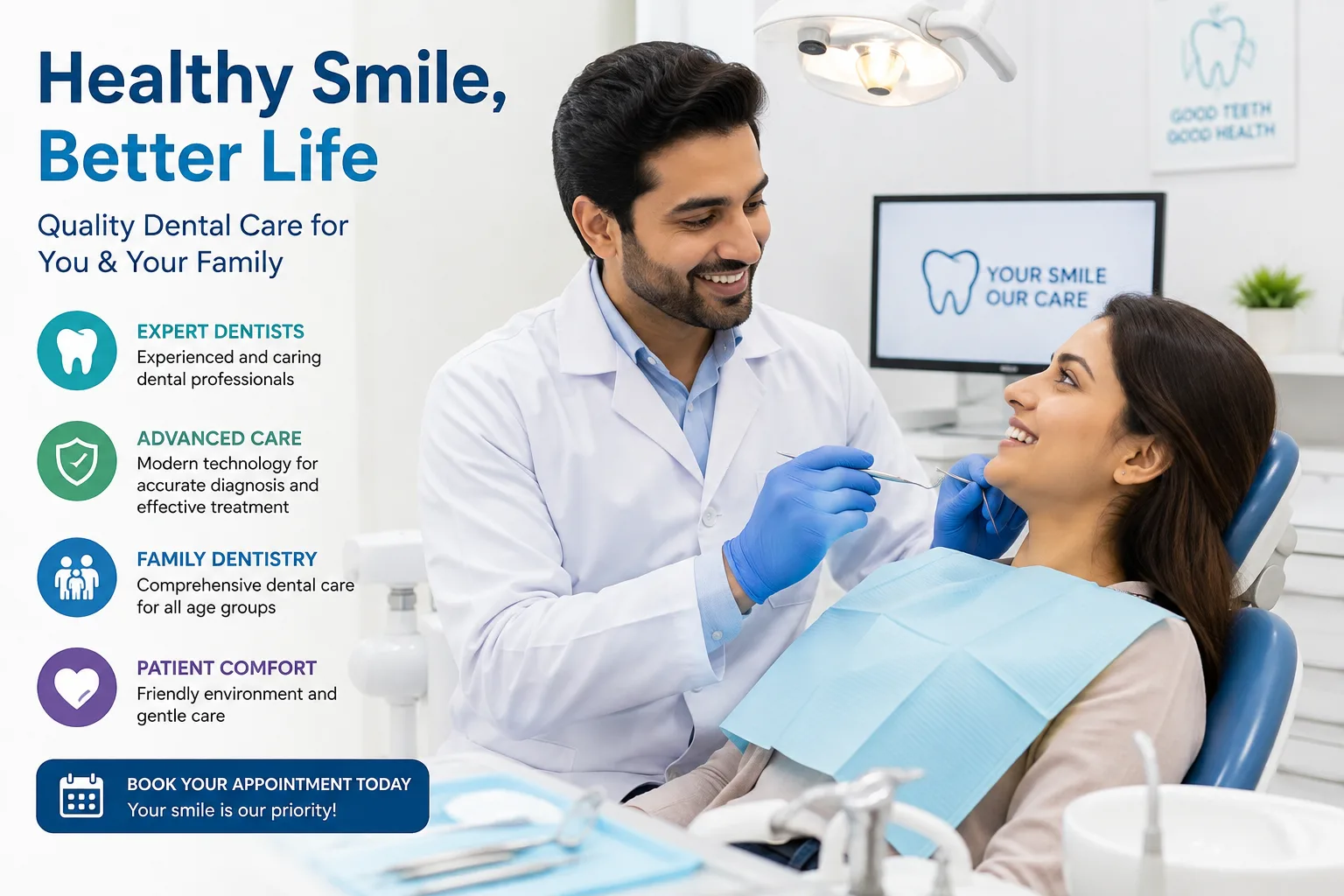
Choosing the right dental clinic is an important decision because regular dental care plays a major role in maintaining healthy teeth and gums. If you are looking for a dentist in islamabad, it is useful to consider more than just location or price. A good dental clinic should provide professional care, clear communication, modern treatment options, proper hygiene standards, and services that meet the needs of different family members.
Why Choosing the Right Dental Clinic Matters
Dental care is not something most people need only once. Regular examinations, cleanings, fillings, preventive treatments, and other procedures may be necessary throughout life. Building a relationship with a reliable dental clinic can make it easier to maintain your oral health and address problems before they become more serious.
A suitable clinic can also make dental visits more comfortable, particularly for children, older adults, or people who feel nervous about dental treatment. When patients feel comfortable communicating with their dentist, they are more likely to attend regular appointments and follow professional recommendations.
Check the Dentist's Experience
One of the first things to consider when choosing a dental clinic is the dentist's professional experience. Different dentists may have experience in different areas, including preventive dentistry, restorative treatment, cosmetic procedures, orthodontics, implants, and other services.
Experience does not mean that every dentist needs to perform every procedure. Instead, a good clinic should understand its areas of expertise and refer patients appropriately when specialist treatment is required. Asking about the dentist's qualifications and experience can help you feel more confident about your care.
Look at the Services Offered
A family may require different types of dental treatment over time. Children may need preventive care and dental sealants, adults may require fillings or crowns, and older family members may need dentures or replacement teeth. Choosing a clinic with a broad range of services can make ongoing care more convenient.
Before selecting a clinic, check whether it provides the treatments your family is most likely to need. A clinic offering comprehensive services can also make it easier to keep dental records and treatment history in one place rather than visiting different providers for every concern.
Consider Preventive Dental Care
A good dental clinic should focus not only on treating problems but also on preventing them. Regular examinations and professional cleanings can help identify cavities, gum disease, enamel problems, and other conditions at an early stage.
Your dentist should also provide practical advice about brushing, flossing, diet, fluoride, and other preventive measures. Preventive dentistry can reduce the likelihood of serious dental problems and may help patients avoid more complicated treatments in the future.
Check the Clinic's Hygiene Standards
Cleanliness and infection-control practices are extremely important in a dental environment. Dental instruments and treatment areas should be handled according to appropriate professional hygiene and sterilization procedures.
When visiting a clinic, pay attention to the general cleanliness of the reception area, treatment rooms, and equipment. You should feel comfortable asking the dental team about sterilization and infection-control practices if you have concerns.
Location and Accessibility
The location of a dental clinic can have a significant impact on whether you attend appointments consistently. A clinic that is conveniently located may make it easier to schedule regular checkups, especially when several members of your family need dental care.
Accessibility is also important for elderly patients, children, and people with mobility difficulties. Consider whether the clinic is easy to reach and whether the facility is comfortable for everyone who may need treatment.
Consider Appointment Availability
A good dental clinic should have appointment options that fit reasonably well with your schedule. Families often have school, work, and other responsibilities, so flexible scheduling can make regular dental care easier.
It is also useful to understand how the clinic handles urgent dental problems. Toothaches, broken teeth, dental injuries, and other unexpected issues may require prompt attention. Knowing how the clinic manages emergencies can provide additional peace of mind.
Dental Technology and Equipment
Modern dental technology can assist dentists with diagnosis, treatment planning, and certain procedures. Digital imaging, intraoral cameras, modern sterilization equipment, and other technologies may improve the efficiency and accuracy of dental care.
Technology alone does not determine whether a clinic is good. It should be combined with qualified professionals, proper hygiene, careful diagnosis, and good communication. The most important factor is how effectively the available technology is used to support patient care.
Read Patient Reviews Carefully
Online reviews can provide useful information about people's experiences with a dental clinic. Reviews may give you an idea about communication, appointment scheduling, staff behavior, waiting times, and general patient satisfaction.
However, reviews should not be the only factor in your decision. Individual experiences can vary, and online comments may not provide enough information about clinical quality. Consider reviews alongside the dentist's qualifications, services, hygiene standards, and your own experience during an initial visit.
Ask About Treatment Costs
Dental treatment costs can vary depending on the procedure, materials used, complexity of the case, and other factors. Before beginning significant treatment, ask the clinic to explain the expected costs and what the treatment involves.
A professional clinic should be willing to discuss fees clearly rather than leaving you uncertain about the financial side of treatment. For extensive procedures, ask whether there are different treatment options and what the advantages and limitations of each option are.
Do Not Choose Only Based on Price
Price is an important consideration, but it should not be the only reason you select a dentist. Extremely low prices may not always represent the best long-term value if treatment quality, materials, hygiene, or follow-up care are inadequate.
Instead, consider the overall value of the treatment. Professional diagnosis, appropriate materials, experienced care, good infection control, and proper follow-up can all contribute to better long-term dental outcomes.
Family-Friendly Dental Care
If you are choosing a clinic for your entire family, consider whether the dental team is comfortable treating patients of different ages. Children often require a different communication style from adults, while older patients may have more complex dental needs.
A family-friendly clinic should create an environment where patients feel comfortable asking questions. Helping children develop positive experiences with dentistry can also encourage them to maintain regular dental visits as they grow older.
Children's Dental Care
Children should begin developing good oral-health habits from an early age. Regular dental visits can help identify cavities, monitor tooth development, and teach children appropriate brushing and hygiene techniques.
When selecting a family dental clinic, ask whether the dentist has experience working with children. A calm and patient approach can make dental appointments less stressful and help children become more comfortable with professional dental care.
Emergency Dental Services
Dental emergencies can happen unexpectedly. A tooth may break while eating, an accident may damage a tooth, or severe tooth pain may develop suddenly. Having access to a dental clinic that can provide prompt assessment can be very helpful.
When choosing a clinic, ask how emergency appointments are handled. Understanding what to do outside normal appointment hours can help you respond more confidently if an urgent dental problem occurs.
Finding a Dentist Near You
If you are searching for a dentist near me, avoid choosing a clinic solely because it appears at the top of an online search. Convenience is useful, but the clinic should also meet your expectations for professional care, communication, cleanliness, and available services.
You can create a shortlist of nearby clinics and compare their services, dentist experience, patient feedback, appointment availability, and treatment approach. An initial consultation can then help you decide whether the clinic feels appropriate for your family.
Communication With Your Dentist
Good communication is one of the most important parts of a successful dental relationship. Your dentist should explain what they find during an examination and help you understand why a particular treatment may be recommended.
You should also feel comfortable asking questions about alternatives, risks, expected results, costs, and aftercare. A dentist who communicates clearly can help you make informed decisions instead of feeling pressured into treatment.
Ask Questions Before Treatment
Before undergoing a significant dental procedure, ask what the treatment is designed to accomplish and what alternatives may be available. You can also ask how long the procedure may take and what recovery or follow-up care will involve.
Understanding the treatment beforehand can reduce anxiety and help you prepare. If you do not understand something, ask the dentist to explain it in simpler terms. There is nothing wrong with requesting clarification before making a decision about your oral health.
Regular Dental Checkups
Once you find a dental clinic you trust, regular appointments are important. Dental problems are often easier to manage when they are detected early rather than after they cause severe pain or significant damage.
Your dentist can recommend an appropriate checkup schedule based on your individual oral health. Patients with a history of cavities, gum disease, or other concerns may need more frequent monitoring than people with fewer risk factors.
Professional Dental Cleaning
Even careful brushing cannot remove every deposit from the mouth. Professional cleaning can remove hardened tartar and plaque from areas that are difficult to clean effectively at home.
Regular cleaning can support healthier gums and help your dental team identify areas where you may need to improve your oral hygiene. Professional cleaning should complement, rather than replace, daily brushing and cleaning between the teeth.
Building a Long-Term Dental Relationship
Finding a dental clinic should ideally be viewed as a long-term decision rather than a one-time search. A dentist who knows your dental history can monitor changes over time and understand previous treatments and recurring problems.
A long-term relationship can also make it easier to plan preventive care. Instead of waiting until a tooth hurts, you can work with your dental team to maintain your teeth and gums through regular examinations and early treatment.
Conclusion
Choosing the best dental clinic for your family involves several factors, including dentist experience, available services, hygiene standards, location, appointment availability, technology, communication, and treatment costs. While online reviews and convenience can help you create a shortlist, your final decision should be based on the overall quality and suitability of the dental care provided.
A good family dental clinic should make patients feel comfortable, explain treatment clearly, maintain appropriate hygiene standards, and focus on both prevention and treatment. By choosing carefully and maintaining regular dental visits, you can make professional dental care a consistent part of your family's long-term oral-health routine.
Read More:
https://numandentalandaesthaticclicnic.notepin.co/
Frequently Asked Questions
How do I choose a good dental clinic?
Consider the dentist's qualifications and experience, available services, hygiene practices, patient reviews, location, appointment availability, communication, and treatment costs. An initial consultation can also help you determine whether you feel comfortable with the dental team.
Should I choose a dentist based on price?
Price is worth considering, but it should not be the only deciding factor. Quality of treatment, professional experience, materials, hygiene standards, diagnosis, and follow-up care are also important when comparing dental clinics.
How often should my family visit the dentist?
The ideal schedule depends on each person's oral-health needs. Many people benefit from regular routine examinations, while patients with certain dental conditions may need more frequent appointments. Your dentist can recommend a schedule based on your individual risk factors.
Is it better to have one dentist for the whole family?
Having one dental clinic for the family can be convenient because records and appointments can be managed in one place. However, different family members may sometimes require specialized care, so the clinic should be able to provide appropriate treatment or recommend a suitable specialist when necessary.
What should I ask a dentist before treatment?
Ask about the diagnosis, recommended treatment, alternatives, expected results, treatment duration, potential risks, aftercare, and costs. Understanding these details can help you make a more informed decision about your dental care.
Why are regular dental checkups important?
Regular checkups allow dentists to identify cavities, gum disease, damaged restorations, and other problems before they become more serious. Early detection can often make treatment simpler and help protect your natural teeth.
What should I look for when choosing a children's dentist?
Look for a dental professional who has experience treating children and communicates with them patiently. A comfortable, friendly environment can help children develop positive attitudes toward dental visits and establish good oral-health habits early.
What should I do if I have a dental emergency?
Contact a dental clinic as soon as possible for advice and assessment. Severe pain, significant swelling, uncontrolled bleeding, or serious dental injuries may require urgent professional attention. Avoid attempting to repair damaged teeth yourself.