Starting a career in security begins with meeting New York State’s mandatory training requirements. The 8 hour pre-assignment training NY course is the foundational step for anyone pursuing work as a security guard. It introduces essential principles such as legal duties, emergency response, communication skills, and workplace ethics. While multiple training centres offer this certification, choosing the right provider can significantly impact your learning experience and your long-term success in the security field.
This detailed guide will help you evaluate what makes a training provider reliable, effective, and worth your time and investment. If you're searching for a trusted option, KTI NYC offers state-approved courses designed to prepare you for real-world security responsibilities.
1. Ensure the Provider Is State-Approved
The first and most important factor when selecting a provider for the 8-hour pre-assignment training NY course is state approval. Only training centres licensed by the New York State Division of Criminal Justice Services (DCJS) can issue valid certificates.
What to check:
- DCJS approval listed on their website
- Valid training curriculum
- Certified security instructors
Choosing a non-approved provider will result in wasted time and money because your certificate won’t be recognised. KTI NYC is fully state-approved, ensuring that every certificate issued meets New York’s official requirements.
2. Review the Course Structure and Curriculum
A high-quality training provider should offer a clear breakdown of topics covered in the 8-hour pre-assignment training NY course. The curriculum must comply with state guidelines while also providing practical insights that help students prepare for real security work.
A strong pre-assignment course includes:
- Role and responsibilities of security guards
- Legal powers and limitations
- Public relations and professionalism
- Emergency response basics
- Incident reporting and documentation
- Ethics and workplace conduct
KTI NYC emphasises both theoretical knowledge and practical examples so students fully understand how to perform on the job.
3. Evaluate Instructor Experience and Expertise
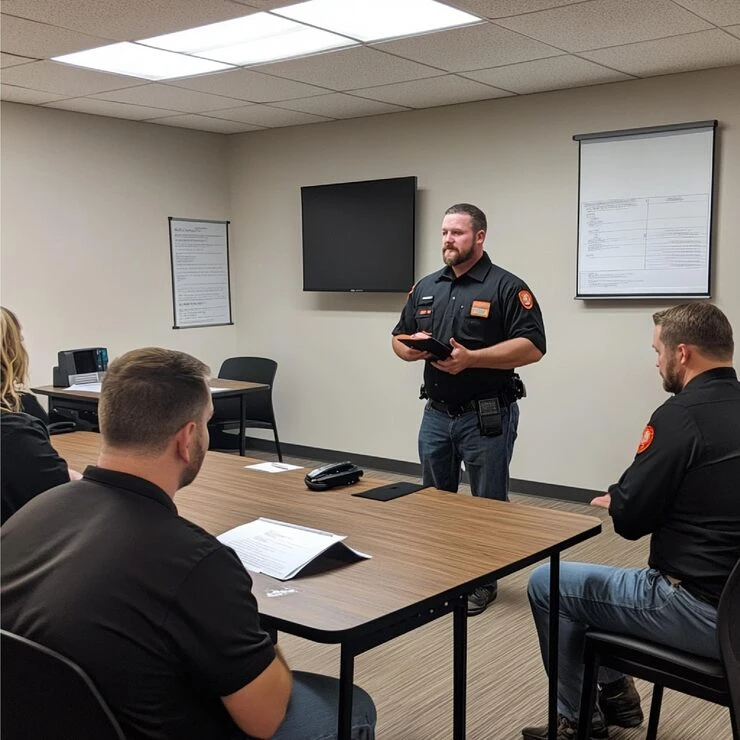
Knowledgeable instructors make a significant difference in how well trainees grasp security concepts. Look for a provider that employs professionals with real industry experience—former security managers, law enforcement personnel, or certified trainers.
Why instructor quality matters:
- Real-life examples improve understanding.
- Better guidance on handling emergencies
- Stronger support during question-and-answer sessions
At KTI NYC, instructors bring first-hand field experience, helping students connect textbook concepts with real-world application.
4. Check for Flexibility in Scheduling
Since many aspiring security guards are balancing other jobs or responsibilities, the ability to choose convenient class times can be a major advantage. A reliable training provider will offer flexible schedules such as weekend classes, morning sessions, afternoon sessions, or multiple batches throughout the week.
Flexibility ensures:
- You don’t need to take unnecessary time off work.
- You can train at your preferred pace.
- You can complete certification without stress.
KTI NYC offers multiple scheduling options to accommodate working students, full-time job seekers, and those transitioning into the security field.
5. Look for Transparent Pricing
The cost of the 8-hour pre-assignment training NY course varies among providers, but it should always be transparent. A credible provider clearly lists pricing, included materials, and any additional fees.
Avoid providers that:
- Have hidden registration costs
- Charge excessive administrative fees
- Offer unusually low pricing with poor-quality training
KTI NYC maintains fair and transparent pricing, with no hidden charges—allowing students to plan their career steps confidently.
6. Consider Student Reviews and Reputation
Student testimonials offer valuable insight into the training quality, learning environment, and professionalism of the providers. Look for reviews on platforms like Google, Facebook, and Yelp.
Positive reviews typically mention:
- Friendly and knowledgeable instructors
- A clean and professional training facility
- Clear teaching methods
- Helpful staff and smooth registration process
KTI NYC consistently receives strong feedback from students for its supportive environment and thorough instruction.
7. Check Location and Accessibility
Choosing a provider with a convenient location matters, especially when you need to arrive on time for in-person training. Ensure that the training centre is easily accessible via public transportation.
KTI NYC’s training facility at 213 W 35th St, 6th Floor, Suite 606, New York, NY, is located in a central area with multiple subway lines nearby, making it easy for students throughout NYC to attend.
8. Look for Additional Training Opportunities
Once you complete your 8-hour pre-assignment training in NY, you’ll need to continue with the 16-hour OJT (On-the-Job Training) and annual refresher courses. It’s beneficial to choose a training provider that offers all required security guard programmes in one place.
At KTI NYC, students can complete:
- 8-Hour Pre-Assignment Training
- 16-Hour On-the-Job Training (OJT)
- 8-Hour Annual In-Service Course
- Additional FDNY and safety certifications
This makes it easy to stay compliant and advance your security career without switching training centres.
Conclusion
Choosing the best provider for your 8-hour pre-assignment training NY course is an important step in starting your security career. By evaluating state approval, curriculum quality, instructor experience, scheduling flexibility, and provider reputation, you can make an informed decision that sets you up for success.
KTI NYC stands out as a trusted, professional training centre offering state-approved courses, experienced instructors, and a convenient location. With high-quality training and supportive staff, KTI NYC ensures that every student begins their security career with confidence, knowledge, and the skills needed for real-world performance.