Furniture is one of those purchases where the cheapest option can sometimes become the most expensive one. A sofa that starts sagging after a few years, a wardrobe that loses its finish or a dining table that cannot keep up with everyday family use eventually means buying twice.
If you are furnishing a home today, it is worth asking a different question: Will I still want to use this furniture ten years from now?
That does not mean every piece needs to be expensive or traditional. It means paying attention to construction, material, dimensions, maintenance and how your life might change.
Start With the Material
The material is one of the first things to check when buying furniture.
Terms such as wooden furniture or wood finish do not necessarily tell you what is inside a product. Ask whether the piece is made from solid wood, engineered wood, veneer or a combination of materials.
Solid wood can be a consideration for furniture that you expect to keep for many years. Natural wood also develops its own character over time, so small changes in appearance are not necessarily a sign that the furniture is deteriorating.
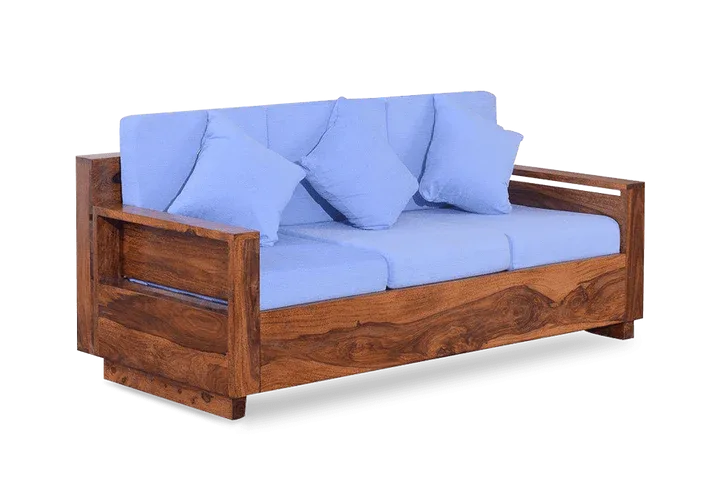
For example, Saraf Furniture makes its furniture from solid Sheesham wood and describes its wood as treated and seasoned before manufacturing. The brand also provides a lifetime warranty against termite resistance on its solid wood furniture.
The important point is not simply to choose a particular material because it sounds premium. Understand what you are buying and whether its properties suit the way you use your home.
Look at Construction, Not Just the Finish
A beautiful polish can make furniture look impressive when it arrives, but the construction underneath matters more over the long term.
When buying a sofa, check the frame material and construction. With a bed, look at the support structure and joints. For a dining table, consider the thickness and stability of the tabletop and legs.
If you are buying online, look for detailed product specifications rather than relying entirely on photographs.
This is especially useful when comparing furniture from different price ranges. Two products can look similar while having very different construction and material specifications.
Choose Dimensions That Leave You Some Flexibility
Your current home may not be your home five or ten years from now.
You could move from a rented apartment into your own house, move to another city or simply rearrange your existing rooms. Furniture that is extremely specific to one room can become difficult to use after a move.
This does not mean buying oversized furniture. In fact, sensible proportions can make furniture more adaptable.
A three seater sofa with practical dimensions, for example, may work in one living room today and another home later. A dining table that comfortably fits six people can also work as a family workspace or gathering table when your needs change.
Measure doorways and access routes as well as the room itself before buying large furniture.
Think About How Your Family May Change
Furniture should reflect your life, but it can also accommodate some change.
A couple setting up their first home may not need the same storage as a family with children. Someone working remotely may eventually need a proper study area. A guest room may become a child's room later.
This is where flexible furniture choices can make sense.
A storage bed can provide additional space without adding another cabinet. A sofa with additional seating can work for everyday family use as well as occasional guests. A dining table can become a homework or work from home space when required.
Think about your likely needs without trying to predict your entire future.
Check the Warranty Carefully
A long life claim is less useful if you do not understand what the warranty actually covers.
Read the warranty before buying. Check the duration, covered materials, manufacturing defects, termite protection, exclusions and whether normal wear and tear is included.
For instance, Saraf Furniture's warranty information distinguishes between termite resistance, manufacturing defects, natural wear and tear, and damage caused by misuse. It also notes that minor natural cracks known as checks can occur in solid wood as it dries over time and are not necessarily considered defects.
That kind of detail is worth reading before making a long term furniture purchase.
Consider Maintenance Before You Buy
Every material needs some care.
Ask yourself how much maintenance you are realistically willing to do. A dining table used every day needs protection from spills, heat and moisture. Upholstered furniture needs regular cleaning. Wooden furniture may need attention to its finish and placement.
Some Saraf Furniture products, for example, recommend using coasters or mats and wiping spills promptly, while prolonged exposure to direct sunlight can affect the polish.
A furniture piece that matches your maintenance habits is more likely to remain in good condition.
Do Not Ignore Design
Durability does not mean choosing something you will get tired of looking at.
If you expect a sofa, bed or dining table to stay for ten years, choose a design that works with more than one decorating style. Natural wood can provide a relatively flexible visual base, while upholstery, cushions, rugs and lighting can change the look of a room without replacing the main furniture.
This also makes it easier to refresh your home when your taste changes.
Buy for the Next Decade, Not Just the Next Weekend
Long lasting furniture is ultimately about making thoughtful choices before the purchase.
Check the material. Understand the construction. Measure carefully. Read the warranty. Think about maintenance. And choose a design that you can imagine living with even when your home and lifestyle change.
You do not have to furnish your entire home with the same material or buy the most expensive option available. The better approach is to decide which pieces you expect to keep for years and put more thought into those purchases.
A good piece of furniture should not need to be replaced simply because a few years have passed. If it is well made, properly cared for and suited to your life, it can become part of the home rather than just another item in it.