Choosing the right chairs for an event seems simple until you realize how many options exist and how strongly they influence the overall style. Chairs shape first impressions, comfort levels, circulation flow, and the tone of the gathering. They can elevate a casual event, support a high-end aesthetic, or reinforce a theme. The best choice depends on your event’s purpose, venue, and desired atmosphere. When you match chair rentals to your event style, you create a cohesive and well planned environment that feels intentional from start to finish.
- Understand the Purpose and Tone of the Event
Before exploring chair styles, clarify what the event represents. A corporate conference, a formal wedding, and a backyard celebration require very different seating arrangements. Corporate events usually call for clean lines and functional comfort. Weddings lean toward stylish, coordinated designs. Informal gatherings work well with simple, practical seating. The purpose sets the tone. Once you know it, the right chair options begin to stand out and the unsuitable ones fall away. This helps you stay focused and reduces the chance of wasting time on choices that do not fit the atmosphere.
- Match Chair Style With Overall Design Direction
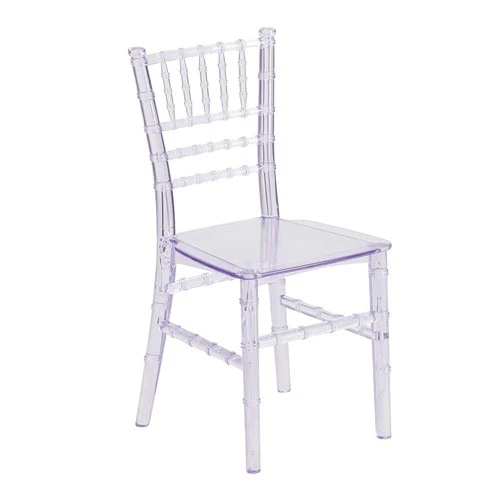
Every event has a visual direction, even if it is understated. Colors, textures, decor, floral choices, lighting, and layout create a consistent theme. Chairs should support that theme rather than distract from it. Chiavari chairs, for example, suit elegant weddings. Crossback chairs add warmth to rustic or garden events. Sleek metal or acrylic chairs fit modern settings. Folding chairs work well for simple or casual gatherings. When you align the chair style with other design elements, the event feels cohesive and well-thought-out. This connection often goes unnoticed by guests, yet they feel its effects.
- Consider Comfort for the Duration of the Event
Comfort matters just as much as appearance. Guests may sit for a few minutes during a ceremony or for several hours at a reception or conference. For longer durations, padded seating helps maintain comfort and satisfaction. The chair height and support also matter. Slender, decorative chairs look beautiful but may not be ideal for long presentations. Lounge style chairs create a relaxed atmosphere but do not always work at dining tables. Balancing comfort with design ensures that guests enjoy the experience without distraction.
- Evaluate Venue Requirements and Restrictions
Many venues have guidelines on which types of chairs they allow. Some limit furniture weights to protect floors. Others prohibit chairs that snag delicate surfaces. Outdoor venues may require chairs that are moisture- and wind-resistant. High traffic indoor venues might need chairs with protective glides. During your site visit, check the floor type, available space, access points, and layout restrictions. This helps you choose chairs that fit the environment without causing safety issues or extra fees. When the chairs work with the venue instead of against it, setup and breakdown become easier.
- Understand the Visual Impact of Colour and Material
Chair materials influence the atmosphere as strongly as color. Wood adds warmth and character. Metal suggests an industrial or contemporary feel. Acrylic gives a clean and modern look. Upholstered chairs feel refined and comfortable. Color also plays a major role. Light tones brighten a room. Dark tones create contrast and formality. Neutral palettes provide flexibility. Bright colors energize a space but may clash with decor if used without planning. Think about how chair materials and colors look under the venue’s lighting. The right combinations blend naturally with the environment.
- Align Chair Selection With Table Styles
Chairs and tables must work together visually and functionally. Rustic wood tables pair well with crossback or farmhouse chairs. Round banquet tables look polished with Chiavari or classic ballroom chairs. Modern tables match acrylic or slim metal seating. Pay attention to seat height relative to the tabletop. If the seat is too high or too low, guests will feel uncomfortable. Consider how chair backs appear in photos, especially for weddings. Matching chairs and tables creates a balanced layout that serves both aesthetics and practicality.
- Plan for Layout, Spacing, and Flow
Chairs influence how guests move through the space. Large or bulky chairs may look impressive but reduce walking room. Compact chairs preserve flow in tight venues. For ceremonies, chairs should align cleanly to maintain symmetry. For receptions, the spacing between chairs affects how servers move and how guests interact. If the event includes multiple seating zones such as dining, lounge, and cocktail areas, use chair styles that match each zone’s purpose. Thoughtful spacing ensures comfort and supports the event’s natural rhythm.
- Account for Weather and Outdoor Conditions
Outdoor events require chairs that withstand changing conditions. Metal chairs may heat quickly under direct sun. Upholstered chairs can absorb moisture. Lightweight chairs may tip over in wind. Wooden chairs may need protective pads to prevent sinking into soft ground. When planning an outdoor event, choose durable materials and stable structures. Work with the rental company to review options designed for outdoor performance. This reduces risk and keeps the seating looking clean and presentable throughout the event.
- Assess Delivery Logistics and Quantities
Some chair styles stack easily, speeding up transport. Others require careful handling. If the event needs hundreds of chairs, consider how this affects delivery time and labor. Complex or delicate chairs may increase setup cost. Ask your rental company whether your preferred style is available in the quantity you need. Confirm lead times, backup inventory, and replacement policies. Reliable logistics prevent last minute stress and keep the event schedule on track.
Conclusion
Choosing rental chairs based on event style requires a mix of design awareness, practical planning, and attention to comfort. When you understand the event’s purpose, match chairs to the theme, consider the venue’s conditions, and coordinate them with other elements, the entire space comes together naturally. Chairs may seem like a small detail, but they hold significant influence over the event’s look and feel. With careful selection, they support both aesthetics and functionality, creating a setting where guests feel welcome, comfortable, and fully engaged.