Japanese figures, model kits, and trading cards are some of the most sought-after collectibles in the world, and that popularity has attracted counterfeiters. Whether you are shopping for authentic Japanese action figures, a sealed card box, or a limited-run statue, a little knowledge goes a long way. This guide covers the checks experienced collectors use before they pay, so you can enjoy the hobby without worrying about what is really inside the box.
Why Counterfeit Collectibles Are Rising in 2026
The numbers explain why caution matters. A fraud report from grading company PSA, covered by USA Today, estimated that more than $200 million worth of counterfeit and altered trading cards were identified in 2025. Counterfeit and altered cards rose 45.3% year over year, and six of the ten most counterfeited cards were Pokémon cards. Pokémon's 30th anniversary in 2026 has pulled in a wave of new collectors, and new collectors are the easiest targets.
The problem goes beyond cards. Security firm Bitdefender has warned about Pokémon listing scams in 2026, including fake storefronts that take payment and disappear, plus counterfeit cards placed inside fake graded cases.
The good news is that most fakes can be avoided with seven simple habits.
1. Check the Exact Product Against the Manufacturer's Information
Before buying, identify the full product name, version, and release (original or reissue). Then compare the listing photos to the manufacturer's own pages. Good Smile Company, for example, publishes official bootleg information and comparison guides showing differences in paint, joints, and packaging between genuine and fake figures. It also states that it cannot support bootleg products.
If you collect Nendoroids in particular, browse the Nendoroid figures from a retailer that lists the manufacturer's full product names so you can cross-check every detail.
2. Inspect the Packaging, Barcode, and Japanese Text
Genuine Japanese releases usually come with clean printing, correct manufacturer logos, a copyright line, and a JAN barcode (commonly beginning with 45 or 49). Warning signs include missing logos, odd or incorrect Japanese text, blurry printing, and items sold loose or in bulk. Be careful, though: Good Smile Company notes that some bootlegs still carry official-looking logos used without permission, so a logo alone proves nothing. Always compare against the official product page.
3. Be Skeptical of Prices That Look Too Good
A rare figure at half the usual price is almost always a red flag. Reputable retailers show where the price sits relative to the manufacturer's suggested retail price. For example, a listing for the Medicos Super Action Statue Star Platinum reissue displays the sale price alongside the RRP, which makes it easy to judge whether a deal is realistic.
4. Test Trading Cards Before You Trust Them
Card counterfeits are the fastest-growing problem, so use these checks:
- Light test: Genuine cards block light; many fakes look translucent. Pokémon's own support guidance suggests holding a card up to a bright light.
- Feel and texture: Fakes often feel too smooth or have texture in the wrong pattern.
- Print quality: Look for blurry artwork, fuzzy text, and oversaturated colors.
- Card back: Check that the border color and design match a card you know is real.
Graded slabs: Counterfeit slabs exist, so verify the grading company's certification number on its own website.
The safest route for sealed product is to buy from a trusted retailer, such as Pokémon card game booster boxes, or browse the wider range of Japanese trading cards, instead of unknown marketplace sellers.
5. Buy From a Retailer That Ships New, Insured, and Original
Where you buy matters as much as what you buy. Review the shop's ordering information before you check out, and learn who is behind the store on its about page. A professional, transparent storefront is also a trust signal; Also, check forums like Reddit, for other customers’ experience on a specific store and their recommendations.
6. Understand Pre-Orders and Release Dates
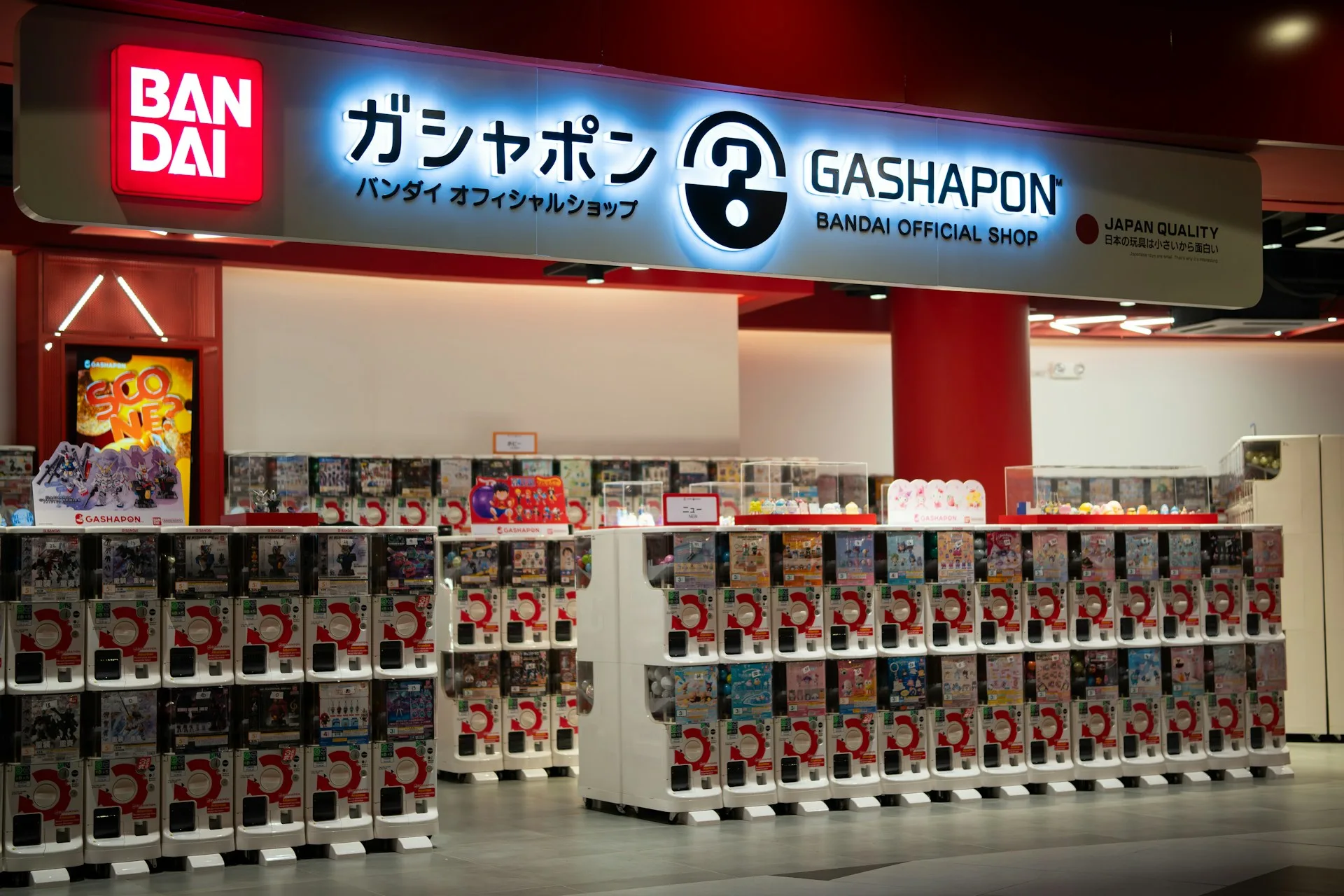
High-demand items often sell out before they ship, pushing buyers toward risky resellers. Pre-ordering from an established shop is usually safer than hunting for a sold-out item later. Browse brands you already collect, such as Good Smile Company figures or Bandai collectibles, and check the newest arrivals for upcoming releases. Pay attention to stated shipping windows, since a firm release month is a sign the listing is based on a real manufacturer announcement.
7. Read Independent Reviews and Check the Return Policy
Look for reviews on third-party platforms, not just the store's own site. Check Trustpilot reviews and its on-site customer reviews to give a picture of real buyer experiences. Then read the returns and refund policy before ordering. A clear, easy-to-find policy is one of the strongest signs a seller stands behind what it sells, a point covered in an article on why return policies matter to online shoppers.
Quick Pre-Purchase Checklist
- Does the listing match the manufacturer's official product page?
- Are the packaging, logos, barcode, and Japanese text consistent and clean?
- Is the price realistic compared with the RRP?
- Is the seller established, with independent reviews?
- Are shipping, insurance, and returns clearly explained?
- For cards: have you checked light, texture, print quality, and slab certification?
Protect What You Buy
Once your collection arrives, protect it. Sleeves, deck boxes, and storage accessories help keep card collections in top condition, so consider trading card accessories alongside your purchase. If you also build, Japanese plastic model kits are another category where buying from a reliable source guarantees complete, original parts.
Final Thoughts
Counterfeits will keep following whatever is popular, but you can stay ahead of them. Verify the product with the manufacturer, inspect the packaging, question prices that seem too good to be true, and buy from sellers with transparent policies and real reviews. Check for stores that has customer service pages for after-sales inquiries.