
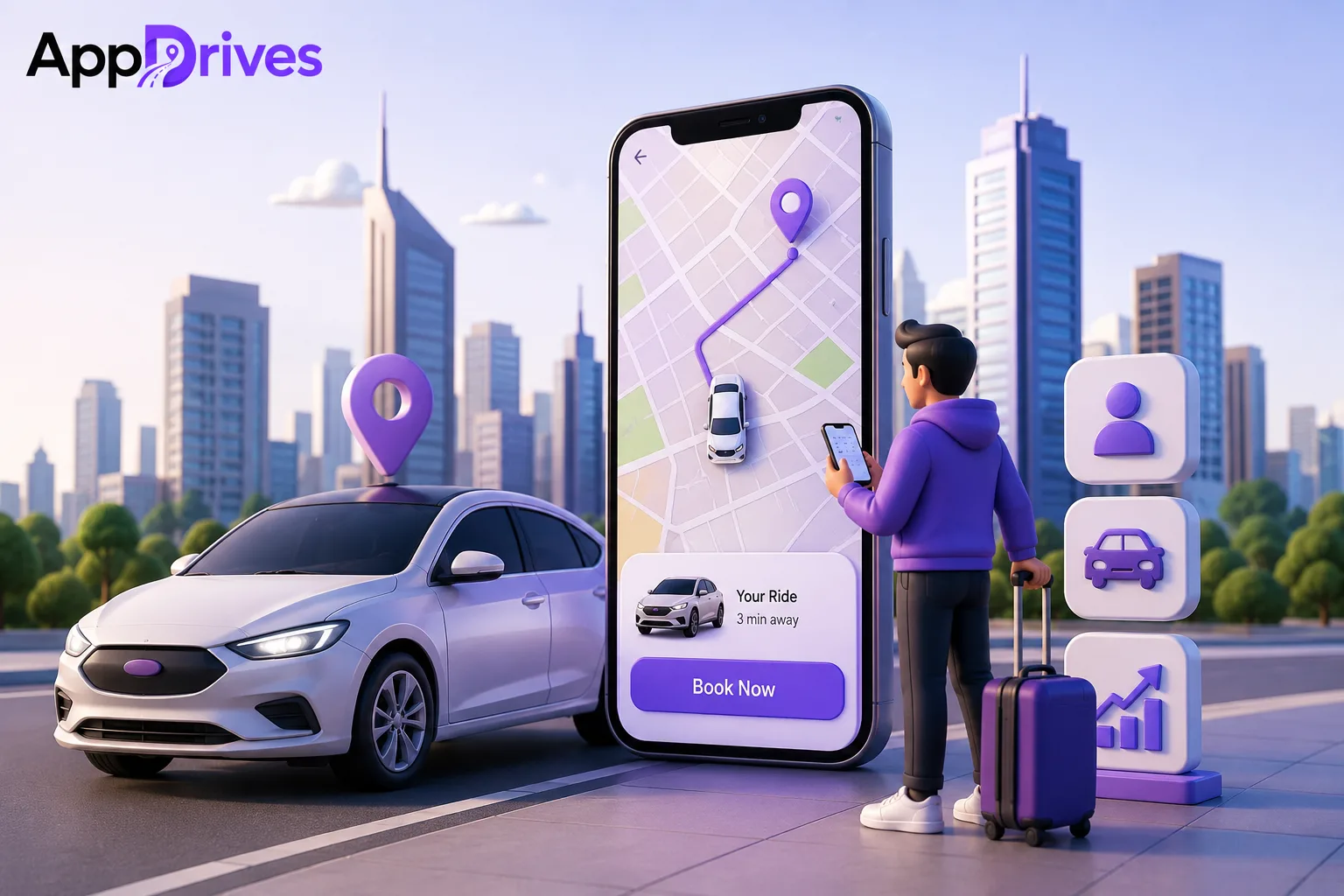
The ride-hailing industry continues to evolve at an impressive pace. While global giants have established strong market positions, there is still significant room for innovation and growth. Consumers today expect more than basic ride-booking functionality. They demand faster services, personalized experiences, enhanced safety, transparent pricing, and seamless digital interactions.
For entrepreneurs and transportation businesses, building an Uber-like platform is no longer about replicating existing models. Success in 2026 depends on creating a solution that addresses specific market needs while delivering superior user experiences.
With advancements in artificial intelligence, predictive analytics, electric vehicle adoption, and smart mobility technologies, businesses have more opportunities than ever to develop next-generation transportation platforms that stand out from the competition.
Understanding the Modern Ride-Hailing Market
Before development begins, businesses must understand what today's users expect from transportation platforms.
Modern consumers prioritize:
- Convenience
- Speed
- Reliability
- Safety
- Affordability
- Digital payment flexibility
The most successful ride-hailing platforms focus on solving real transportation challenges rather than simply offering ride-booking services.
Market research should identify:
Key Factors to Analyze
- Target audience
- Competitor strengths
- Service gaps
- Regional transportation challenges
- Customer pain points
A clear understanding of these areas helps create a product that offers genuine value.
Start with a Scalable Development Strategy
Scalability should be a priority from day one.
Many startups focus solely on launching quickly and overlook future growth requirements.
An effective Ride Hailing App Development strategy should support:
- Growing user bases
- Multiple service regions
- Increased ride volume
- New transportation categories
- Future feature enhancements
Building a scalable architecture early helps avoid costly redevelopment later.
Essential Components of an Uber-Like Platform
A successful ride-hailing ecosystem typically includes three interconnected applications.
Passenger App
The passenger application should provide:
- Quick registration
- Ride booking
- Live vehicle tracking
- Fare estimation
- Payment management
- Ride history
Driver App
Drivers need tools that improve efficiency.
Core features include:
- Ride request management
- GPS navigation
- Earnings dashboard
- Availability controls
- Performance tracking
Admin Dashboard
Administrators require complete operational visibility.
The dashboard should support:
- User management
- Driver verification
- Revenue tracking
- Promotional campaigns
- Business analytics
These three components form the foundation of any modern ride-hailing platform.
Integrate Advanced Real-Time Technologies
Real-time functionality is critical for user satisfaction.
Passengers expect instant updates throughout their journey.
Technologies That Power Real-Time Experiences
- GPS tracking
- Cloud infrastructure
- Live notifications
- Route optimization
- Dynamic ride matching
A professional Ride Hailing App Development Company focuses heavily on optimizing these systems to ensure reliability and responsiveness.
The faster your platform responds, the more likely users are to remain loyal.
Differentiate Through Unique Features
Many ride-hailing startups struggle because they offer nothing different from existing competitors.
To stand out in 2026, businesses should focus on innovation.
AI-Powered Ride Matching
Artificial intelligence can improve:
- Driver allocation
- Route planning
- Ride efficiency
- Customer satisfaction
Smart Fare Prediction
Predictive algorithms can provide more accurate pricing estimates.
Personalized User Experiences
Platforms can recommend:
- Preferred ride categories
- Frequently visited destinations
- Customized promotions
These enhancements create a more engaging customer experience.
Prioritize Passenger Safety
Safety remains one of the most important factors influencing ride-hailing adoption.
Users want assurance that every trip is secure.
Essential Safety Features
- Real-time ride tracking
- Emergency SOS button
- Driver verification
- Trip sharing
- In-app support
Investing in safety not only protects users but also strengthens brand reputation.
Many businesses working with Ride Hailing App Development Services prioritize safety features as a key differentiator.
Implement Multiple Revenue Streams
A sustainable business model requires more than ride commissions.
Successful platforms diversify revenue sources.
Popular Monetization Strategies
- Ride commissions
- Surge pricing
- Subscription memberships
- Corporate transportation plans
- In-app advertising
- Premium vehicle categories
Multiple revenue streams improve profitability while reducing dependence on a single income source.
Leverage Data and Analytics
Data-driven decision-making is becoming increasingly important.
Every ride generates valuable information that can improve operations.
Analytics Can Help Businesses
- Understand user behavior
- Identify peak demand periods
- Improve driver performance
- Optimize pricing strategies
- Enhance customer retention
Businesses that actively utilize analytics often gain a competitive advantage in the marketplace.
Support Electric and Sustainable Mobility
Sustainability is becoming a major focus within the transportation industry.
Consumers and governments increasingly support environmentally friendly transportation options.
Emerging Opportunities
- Electric vehicle integration
- Carbon footprint tracking
- Green ride incentives
- Eco-friendly transportation programs
Platforms that embrace sustainable mobility may attract environmentally conscious users while preparing for future regulations.
Focus on User Retention
Acquiring users is important, but retaining them is even more valuable.
Customer loyalty often determines long-term success.
Retention Strategies
- Reward programs
- Referral incentives
- Personalized offers
- Excellent customer support
- Consistent service quality
Satisfied users are more likely to become repeat customers and brand advocates.
Future-Proof Your Platform
Technology continues to evolve rapidly.
Businesses should build platforms capable of adapting to future innovations.
Technologies Shaping the Future
- Artificial Intelligence
- Autonomous vehicles
- Predictive analytics
- Blockchain payments
- Smart city integrations
Planning for future advancements helps ensure long-term competitiveness.
Conclusion
Building an Uber-like ride-hailing app in 2026 requires more than copying an existing business model. Success comes from understanding market demands, leveraging advanced technologies, prioritizing safety, and creating unique user experiences that solve real transportation challenges.
By investing in scalable Ride Hailing App Development and focusing on innovation, businesses can build powerful mobility platforms capable of attracting users, generating recurring revenue, and competing effectively in the rapidly evolving transportation industry. Companies that combine technology, customer-centric design, and operational efficiency will be best positioned to stand out in the next generation of ride-hailing services.