The healthcare and fitness industry is booming, with the latest technology at the center of driving this trend. From in-home fitness applications to AI-based health monitors, fitness apps have become a crucial aspect of daily life for millions of investors. Companies are cashing in on the trend, and fitness apps have become not only a means of health but a money-making proposition as well.
If you are set on entering this market, it all begins with working with the right fitness app development company. However, success beyond development relies on realizing the advantages of fitness apps, selecting the proper monetization schemes for health & fitness apps, and addressing the leading fitness app development challenges.
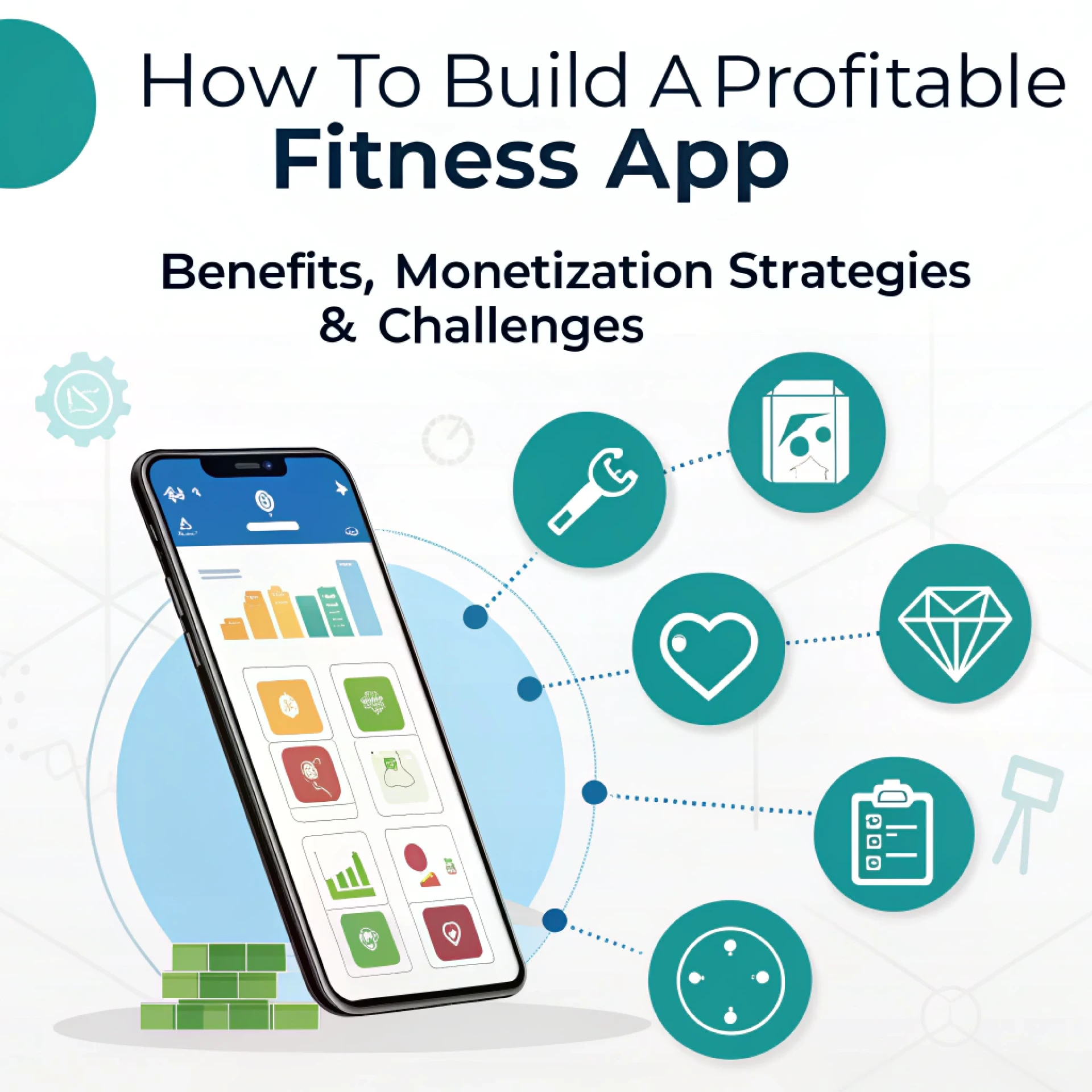
In this guide, we’ll explore how to build a profitable fitness app, from its advantages to strategies and common hurdles.
Why Build a Fitness App in 2025?
The lightning-fast increasing demand for fitness mobile app development continues to rise as more people focus on personal health and fitness development services. According to recent industry reports, the worldwide fitness app market is projected to surpass $30 billion by 2030, fueled by digital revolution and increased smartphone usage.
Developing a fitness app today means tapping into a growing market that values convenience, customization, and innovation. Whether you’re a gym owner, wellness coach, or entrepreneur, investing in custom fitness app development can open doors to consistent revenue and customer engagement.
Benefits of Fitness Apps
The success of leading apps like MyFitnessPal, Strava, and Nike Training Club highlights the many benefits of fitness apps for both businesses and users.
1. User Engagement & Retention
Fitness apps keep users motivated with workout tracking, daily goals, and gamification features. This high engagement leads to long-term app usage.
2. Revenue Generation
With multiple monetization strategies for health & fitness apps—such as subscriptions, premium features, and in-app purchases fitness apps become steady revenue streams.
3. Brand Loyalty & Visibility
Businesses offering fitness apps gain stronger customer loyalty and better brand recognition by staying connected with users daily.
4. Personalized Experience
With AI and machine learning, fitness mobile app development enables apps to provide personalized workout plans, diet charts, and recommendations.
5. Wearable Integration
Most users today rely on wearables like Fitbit or Apple Watch. A fitness app that syncs with wearables enhances user experience and adds long-term value.
6. Data-Driven Insights
Apps can collect and analyze user data, providing valuable insights for businesses to improve services and introduce new features.
Key Features to Include in Custom Fitness App Development
When working with a fitness app development company, ensure your app includes features that drive engagement and profitability:
- User Profiles & Progress Tracking
- Personalized Workout & Diet Plans
- Integration with Wearables & Smart Devices
- Gamification (badges, points, challenges)
- Live Sessions with Trainers
- Push Notifications for Motivation
- Social Media Integration
- Secure Payment Gateways for Subscriptions
Monetization Strategies for Health & Fitness Apps
A profitable app depends heavily on monetization. The right fitness app development services ensure your app has the features needed for revenue generation.
Here are the top monetization strategies for health & fitness apps:
1. Subscription Model
- Monthly or yearly premium subscriptions are one of the most common revenue sources.
- Example: Calm and Headspace thrive on subscription-based access to premium content.
2. Freemium Model
- Users access basic features for free but pay for advanced tools like personalized coaching or detailed analytics.
- This model ensures high user acquisition while driving conversions.
3. In-App Purchases
- Selling digital products (diet charts, workout plans) or physical items (equipment, supplements).
- Example: MyFitnessPal offers premium nutrition plans via in-app purchases.
4. Ad-Based Revenue
- Partner with brands to display ads within your app.
- Works best if you have a large user base.
5. Affiliate Marketing & Partnerships
- Promote third-party health products and earn commission.
- Many fitness apps collaborate with fitness gear or nutrition brands.
6. Corporate Wellness Programs
- Offer your app as a solution to companies looking to improve employee wellness.
- A lucrative B2B approach for fitness app growth.
Top Fitness App Development Challenges
Building a profitable fitness app isn’t without hurdles. A reliable fitness app development company helps you navigate these obstacles effectively.
Here are the top fitness app development challenges you may face:
1. High Market Competition
The app stores are already crowded with fitness apps. Differentiating your product requires innovative features and a unique value proposition.
2. Data Privacy & Security
Handling sensitive health and fitness data demands strong security measures and compliance with regulations like GDPR or HIPAA.
3. User Retention
Keeping users motivated after the initial download is tough. Continuous updates, push notifications, and gamification help reduce churn.
4. Integration with Wearables
Not all apps seamlessly sync with all devices. Building smooth integrations with popular wearables is a technical challenge.
5. Scalability
As your user base grows, your app must scale without performance issues. Poor scalability leads to crashes and user dissatisfaction.
6. Cost Management
The fitness app development process can be costly depending on features, design, and platforms (iOS/Android). Working with the right development partner ensures efficiency.
Role of a Fitness App Development Company
Choosing the right partner is essential. A professional fitness application development company provides:
- Custom Fitness App Development tailored to your business model.
- End-to-end fitness app development services including design, coding, testing, and deployment.
- Expertise in fitness mobile app development with the latest technologies like AI, AR/VR, and cloud integration.
- Scalability and security solutions to ensure long-term success.
By leveraging the skills of experts, businesses can focus on growth while the technical aspects are managed by professionals.
Final Thoughts
Creating a successful fitness app in 2025 takes more than the right idea. Success lies in leveraging the advantages of fitness apps and successful monetization options for health & fitness apps, as well as conquering the most significant fitness app development challenges.
If you are a new startup or a well-established fitness brand, collaboration with a seasoned fitness app development firm will be the ace up your sleeve. With proper features, robust engagement mechanisms, and creative monetization models, your fitness app can be both a useful tool in the hands of users and a successful business opportunity.