
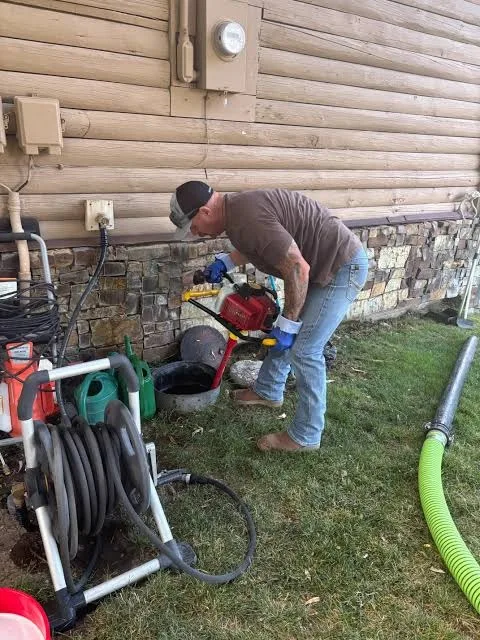
A septic failure rarely happens overnight. It usually builds for years, and then shows up as a backup, a flooded yard, or a repair bill nobody planned for. In Teton Valley, where winters are harsh and many homes sit on mountain lots, small oversights can get expensive fast.
Scheduling a septic tank pump out east Idaho homeowners trust and keeping up with septic pumping east Idaho properties need are the simplest ways to stay ahead of trouble.
Here is what we will explore:
- The most common causes of septic failure
- Everyday habits that protect your system
- How to protect your tank and drain field outdoors
- A maintenance routine that keeps costs down
What Causes Septic Failures
Most failures trace back to a handful of problems. The biggest one is skipped pumping. When sludge builds up past a safe level, solids escape into the drain field and clog the soil, and that is the repair nobody wants. Overloading the system with too much water in a short time is another common cause, as are flushed items that do not break down. Tree roots, crushed pipes, and cracked lids round out the list. The good news is that nearly all of these are preventable.
Everyday Habits That Make a Difference
What you do inside the house matters more than most people think. Spread laundry across the week instead of running five loads on Saturday. Fix leaky faucets and running toilets, since a constant trickle adds up to thousands of gallons. Keep wipes, grease, coffee grounds, and paint out of the drains, and go easy on bleach and harsh cleaners that upset the balance inside your tank. If you have guests for a ski weekend or a holiday, remember your tank has to handle every extra shower and flush.
Protecting Your Tank and Drain Field Outdoors
Your drain field needs open, undisturbed soil to do its job. Keep vehicles, snowmobiles, and heavy equipment off it, especially when the ground is soft. Do not plant trees or shrubs with aggressive roots nearby, and keep sprinklers from soaking the area. In winter, avoid packing down snow over the tank and field, because snow is natural insulation and compacted ground freezes deeper. Mark your tank lids so nobody digs or plows over them by accident.
Watch for Early Warning Signs
Slow drains, gurgling pipes, and weak flushing are the first hints. Outside, look for soggy patches, strong odors, or patches of grass that look greener than the rest of the lawn. If you notice any of these, call for service right away. A quick inspection costs far less than replacing a failed drain field, and catching a problem early often means the fix is simple.
Build a Simple Maintenance Routine
Most households need pumping every three to five years, depending on how many people live in the home and how much water you use. In a mountain climate with heavy seasonal use, lean toward the shorter end. A certified inspection with sludge measurement takes the guesswork out of timing, and installing risers makes every future visit faster. Keep a simple record of service dates and tank size so you always know where you stand. Fall is a smart time to schedule, since the tank has plenty of room before winter and spring snowmelt.
Conclusion
Septic repairs are some of the most expensive surprises a property owner can face, and almost all of them are avoidable. Regular care is more affordable than any repair, and the habits you build now will pay off for years. When it is time for a septic tank pump-out, east Idaho property owners can schedule with confidence; it helps to work with people who treat your property like their own.
Open Range Septic Service LLC is a family business with roots in firefighting, which shaped how the owner approaches every job: show up, do it right, and explain what is happening. From their base in Idaho Falls, they bring that approach to Teton Valley, along with inspections and sludge measurement that show where your tank stands. Keeping up with septic pumping east Idaho homes on a steady schedule is the easiest way to avoid a costly failure.