A residential development is shaped not only by its buildings and facilities but also by the neighbourhood surrounding it. Transport connections, schools, shopping options, parks, healthcare services, and future development can all influence how residents experience everyday life.
For households researching Clovelle of Woodlands, understanding the wider Woodlands neighbourhood can provide useful context. Rather than focusing only on the development itself, prospective buyers can assess how the area's existing infrastructure and ongoing transformation may fit their routines and long-term housing needs.
An Established Residential Town
Woodlands is one of Singapore's established northern towns, with a substantial residential population and a broad range of amenities. Its mature infrastructure means residents have access to many everyday services without depending entirely on facilities within a condominium development.
The neighbourhood's established character can be relevant to families, working professionals, and households looking for convenient access to essential services.
Public Transport and Connectivity
Transport is an important consideration for anyone choosing a home. Woodlands is served by the North-South MRT Line and the Thomson-East Coast Line, providing rail connections to different parts of Singapore.
Road connectivity is another factor. Major routes in the north connect Woodlands with other parts of the island, while its location near the Singapore-Malaysia land border is relevant to residents who travel between the two countries.
However, actual convenience depends on the location of the home and an individual's destinations. Buyers should consider peak-hour travel times rather than relying solely on the presence of nearby transport infrastructure.
Access to Shopping and Daily Essentials
A well-established neighbourhood can make routine errands easier. Woodlands has shopping centres, supermarkets, food outlets, and other commercial facilities serving local residents.
These amenities can reduce the need for lengthy trips for groceries, meals, household purchases, and other everyday requirements. When evaluating a property, buyers may want to identify which amenities are within walking distance and which require public or private transport.
Schools and Family Facilities
Families may place particular importance on access to schools and childcare. Woodlands and the surrounding northern districts provide a variety of educational institutions serving different age groups.
Parents should look at school admission requirements and current availability rather than assuming that proximity guarantees admission. Travel time, school programmes, and the child's specific educational needs can also be more important than distance alone.
Parks and Recreation
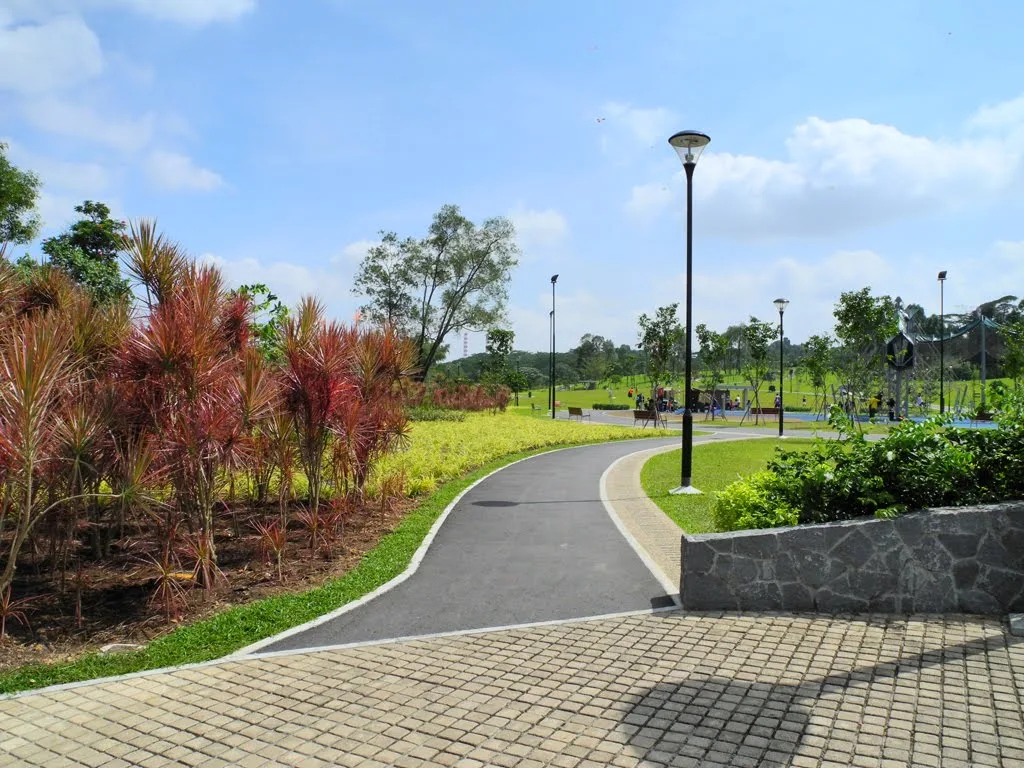
Access to green spaces and recreational facilities can contribute to the overall residential experience. Woodlands has parks and community spaces where residents can exercise, relax, and spend time with family.
For households with children, nearby recreational areas can provide additional options outside school and home. Residents who exercise regularly may also value convenient access to walking routes, sports facilities, and open spaces.
Healthcare and Community Amenities
Healthcare access is another practical consideration, particularly for families with young children or older household members. Woodlands has healthcare and community facilities serving residents in the wider area.
When assessing a potential home, buyers can identify the location of nearby clinics, medical facilities, pharmacies, and other essential services. The most suitable options will depend on individual healthcare needs and preferred providers.
The Impact of Future Development
Woodlands has been identified as an important regional centre in Singapore's long-term planning. Continued development can bring changes to infrastructure, employment opportunities, transportation, commercial facilities, and public spaces.
These plans may influence the area's character over time, but prospective homeowners should distinguish between completed projects and developments that are merely proposed or planned. Timelines and project details can change.
What Buyers Should Check
When researching the neighbourhood, it can be useful to examine:
- Existing MRT stations and bus routes
- Current schools and childcare facilities
- Shopping and dining options
- Parks and recreational spaces
- Healthcare facilities
- Major roads and commuting routes
- Officially announced future developments
- Surrounding land use and potential construction activity
This approach can provide a more balanced understanding of both the current neighbourhood and its potential evolution.
Consider the Day-to-Day Experience
Neighbourhood convenience is ultimately personal. A location that works well for one household may be less suitable for another depending on workplace locations, school schedules, lifestyle preferences, and transport habits.
Prospective residents should therefore consider how they would use the area throughout a normal week. Visiting the neighbourhood at different times of day can also reveal factors such as traffic, noise, pedestrian activity, and accessibility that may not be apparent from a map.
Final Thoughts
The Woodlands neighbourhood can be an important part of the overall living experience for residents of Clovelle of Woodlands. Its established amenities, transport infrastructure, educational facilities, recreational spaces, and ongoing development all provide useful factors for prospective buyers to examine.
Rather than assuming that neighbourhood growth will produce a particular outcome, buyers can focus on verified infrastructure and their own household requirements. Combining this assessment with the property's tenure, layout, costs, eligibility conditions, and location can support a more informed housing decision.