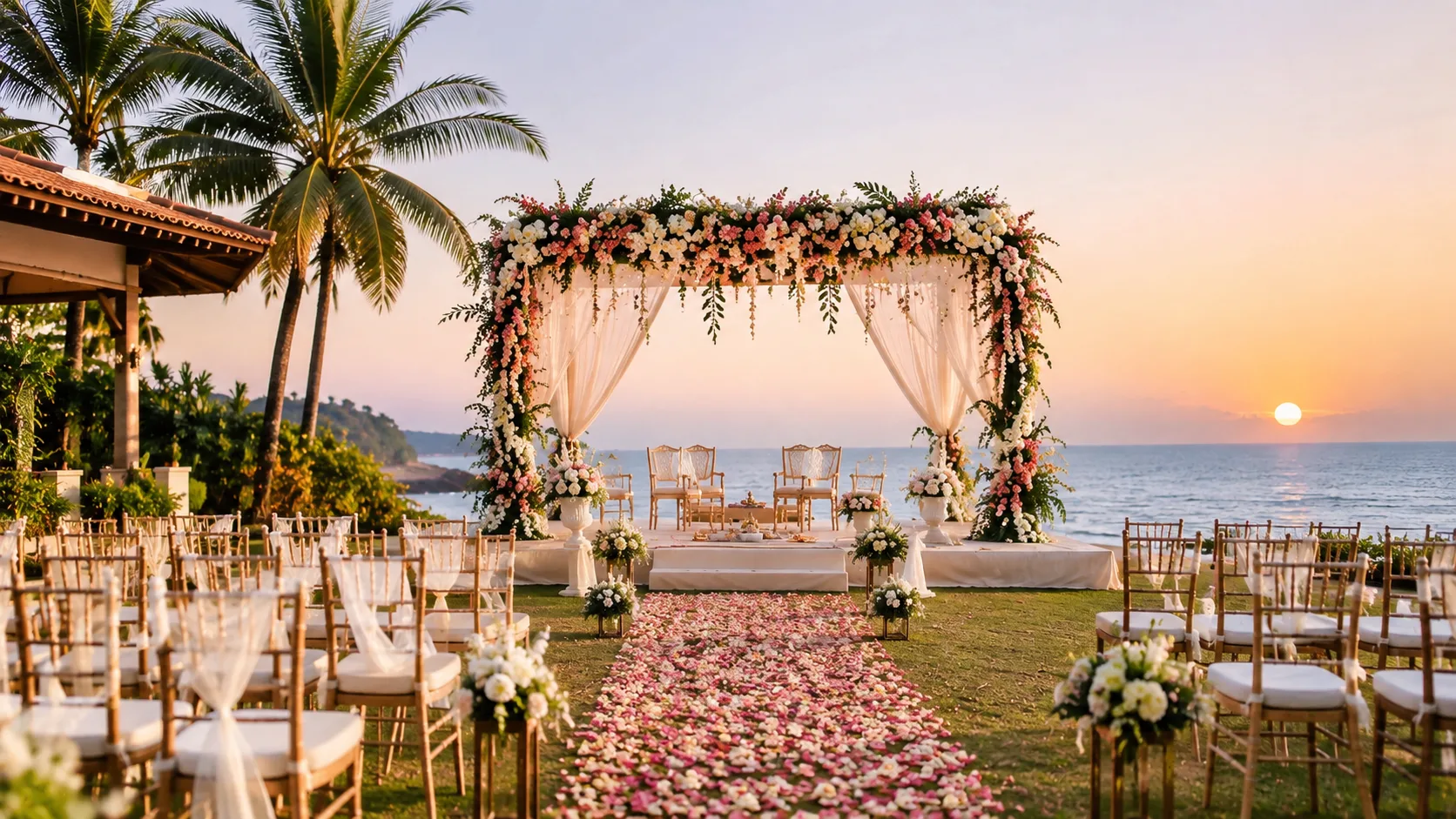
Imagine entering a hotel restaurant where the lighting is warm, the seating feels inviting, and every piece of furniture complements the surroundings. Before the food even arrives, the setting has already shaped your expectations. At the center of this experience is something surprisingly important: the hotel dining table.
Dining tables do more than provide a surface for meals. Their design, material, size, and arrangement influence how comfortable guests feel and how smoothly a restaurant operates. When thoughtfully combined with luxury handicrafts, these furniture pieces can bring individuality and artistic character to hospitality interiors.
But what should hotel owners actually consider before investing in dining furniture?
Dining Furniture Is Part of the Guest Experience
A restaurant's atmosphere influences the dining experience long before guests examine the menu. Comfortable seating, appropriate table heights, and sufficient personal space help create a pleasant environment.
A poorly chosen dining table, however, can make even an attractive restaurant feel inconvenient. Oversized furniture may restrict movement, while unstable tables or uncomfortable seating arrangements can distract guests from their meals.
This makes furniture selection an operational decision as much as a design choice.
A suitable hotel dining table should support everyday restaurant activities while complementing the property's overall visual identity. The ideal design balances three priorities: guest comfort, practical maintenance, and long-term durability.
What Makes Handcrafted Dining Tables Different?
In hospitality spaces where multiple hotels may offer similar amenities, distinctive interior details can help establish a memorable identity.
This is one reason handcrafted furniture deserves consideration.
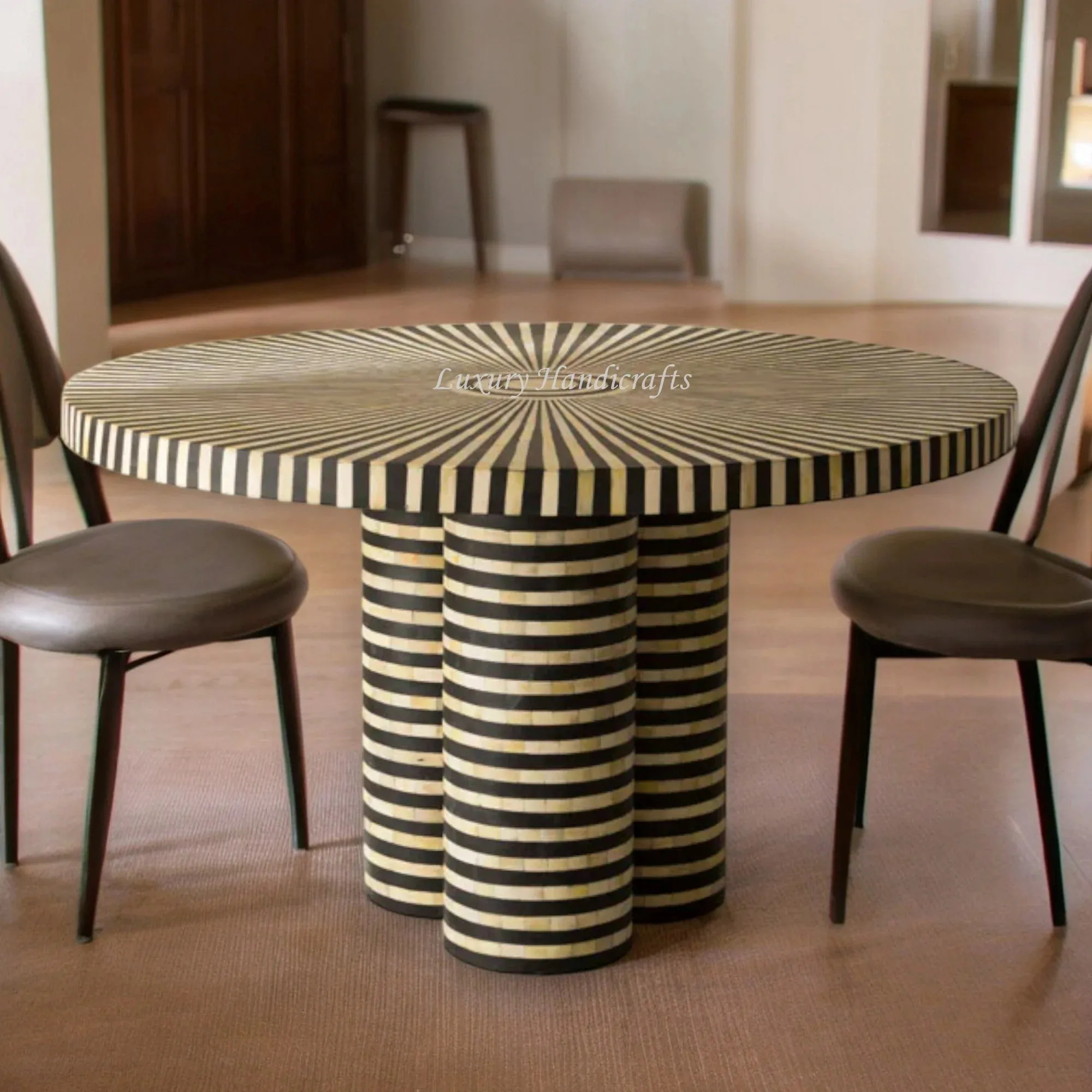
Luxury handicrafts introduce traditional techniques, detailed finishes, and artistic elements into furniture design. Rather than relying entirely on standardized production, artisans may incorporate hand carving, decorative metalwork, intricate inlays, and carefully finished wooden surfaces.
These features can give dining tables a distinctive appearance.
For instance, a heritage hotel may select carved wooden dining tables that complement traditional architecture. A modern boutique property might prefer understated handcrafted metal bases paired with natural stone tabletops.
The objective is not simply to make furniture look expensive. It is to select pieces that feel appropriate for the hotel's surroundings and intended guest experience.
Material Selection: Beauty Must Meet Practicality
Not every attractive dining table is suitable for commercial hospitality use. Hotels need furniture that can handle frequent cleaning, occasional spills, and continuous guest activity.
Understanding material characteristics is therefore essential.
Solid Wood: Natural Warmth and Character
Wood remains an appealing choice for hotel dining areas because of its natural textures and versatility.
Teak, sheesham, and oak can be used to create furniture suited to different interior styles. Carved detailing may complement heritage-inspired restaurants, while simple wooden surfaces work well in contemporary settings.
However, wood requires appropriate protective finishes and regular care to maintain its appearance.
Marble: An Elegant Statement
Marble surfaces can introduce a refined appearance through their distinctive natural patterns.
They are especially attractive in sophisticated dining rooms, luxury suites, and formal restaurant settings.
Hotel operators should also consider marble's weight, porosity, and sensitivity to acidic substances. Proper sealing and suitable cleaning methods are important for preserving the surface.
Metal and Mixed-Material Designs
Metal-framed tables can provide a contemporary appearance and support a wide variety of tabletop materials.
Wood paired with iron, brass detailing, or carefully finished steel can create visually interesting combinations.
These designs also provide opportunities to incorporate luxury handicrafts through decorative bases, artistic metal patterns, and customized finishes.
The best material ultimately depends on the hotel's maintenance capacity, design preferences, and expected level of use.
Choosing a Hotel Dining Table That Works in Real Spaces
Furniture selection should begin with understanding how the dining area will function.
A restaurant serving quick breakfasts has different requirements from a fine-dining venue offering extended evening meals.
Several considerations can guide the selection process.
Table dimensions and movement: Guests and service staff need enough space to move comfortably. Table placement should also support convenient access between dining areas.
Seating arrangements: Round tables can encourage interaction among smaller groups, while rectangular designs may provide flexibility for different seating capacities.
Structural stability: Strong joints, reliable supports, and balanced construction are particularly important in frequently used commercial furniture.
Ease of cleaning: Decorative finishes should not make everyday maintenance unnecessarily difficult.
Visual consistency: Dining tables should coordinate with chairs, lighting, flooring, and other decorative elements rather than competing with them.
Hotels considering customized furniture should assess these practical requirements before finalizing decorative details.
Can Luxury Handicrafts Strengthen a Hotel's Identity?
A distinctive hotel interior often tells a story about the property, its surroundings, or its design philosophy.
Handcrafted furniture can contribute to that story.
Consider a hotel inspired by traditional Rajasthani architecture. Dining tables featuring carefully carved wooden elements or handcrafted metal accents may complement the property's architectural identity.
In contrast, an urban luxury hotel might incorporate simplified artisan-made designs that emphasize materials and craftsmanship without excessive ornamentation.
Both approaches use luxury handicrafts differently, but they share a common purpose: creating a cohesive environment.
Sourcing furniture from skilled workshops can also support traditional craftsmanship. Hotels should evaluate manufacturers based on construction quality, material transparency, finishing standards, and the ability to provide consistent results.
The Hidden Costs of Choosing Furniture Based Only on Appearance
An elegant dining table may initially appear to be an excellent investment. Yet appearance alone does not determine its long-term value.
For example, a heavily textured tabletop may require additional cleaning time. A delicate decorative finish may need frequent repairs, while an excessively heavy design may make restaurant rearrangement difficult.
These issues can increase operating costs over time.
Hotel buyers should therefore consider the total cost of ownership, including purchase price, maintenance, repairs, and expected lifespan.
Requesting material samples, reviewing construction details, and testing sample furniture before placing large orders can help reduce purchasing risks.
The goal is to invest in furniture that continues to perform well after the initial visual impression.
Maintaining Dining Furniture for Long-Term Performance
Consistent maintenance helps protect both the appearance and functionality of hotel dining furniture.
Wooden tables should be cleaned with suitable products and protected from prolonged moisture exposure. Marble surfaces need appropriate stain prevention and non-abrasive cleaning methods.
Metal components require care based on their finish, particularly when exposed to moisture or frequent cleaning chemicals.
Periodic checks for loose joints, uneven legs, surface damage, and deteriorating coatings are equally important.
A practical maintenance routine can extend furniture life and reduce avoidable replacement expenses.
Final Thoughts: Design for Guests, Not Just Photographs
The right hotel dining table should look attractive, feel comfortable, and perform reliably during everyday service.
While materials and aesthetics influence the initial selection, practical considerations such as stability, maintenance, and layout are equally important.
Incorporating luxury handicrafts offers hotels an opportunity to add distinctive artistic details while celebrating traditional craftsmanship.
Before choosing dining furniture, hotel owners should evaluate how each table will function in the actual dining environment. A successful investment is not necessarily the most elaborate design, but the one that delivers lasting value, comfort, and character.