
For generations, a simple tool — the otoscope — has helped doctors peer into the human ear, unlocking crucial insights about hearing, balance, and overall health. What was once a purely manual device with a small light and magnifying lens is now at the forefront of a technological revolution in medical diagnostics.
From clinics in metropolitan cities to mobile health vans in remote villages, otoscopes are transforming into digital, connected, and AI-powered devices, making ear health assessment faster, easier, and more accurate. The global otoscopes market is experiencing a dynamic wave of innovation that’s reshaping how healthcare professionals and patients approach auditory care.
Get Sample Report Copy Here- https://www.transparencymarketresearch.com/sample/sample.php?flag=S&rep_id=86641
A Small Device with a Big Purpose
Hearing is often taken for granted until it begins to fade. Ear infections, wax buildup, and middle ear issues affect millions of people every year, especially children. The World Health Organization (WHO) estimates that nearly 1.5 billion people worldwide experience some form of hearing loss — a number projected to rise dramatically if preventive care is not prioritized.
The humble otoscope plays a critical role in this landscape. By enabling early and accurate diagnosis, it helps physicians detect infections, eardrum perforations, and other ear-related conditions long before they escalate into serious problems.
But today’s healthcare environment demands more than just observation. The rise of telemedicine, digital health records, and remote patient monitoring has prompted manufacturers to reinvent the otoscope for the 21st century.
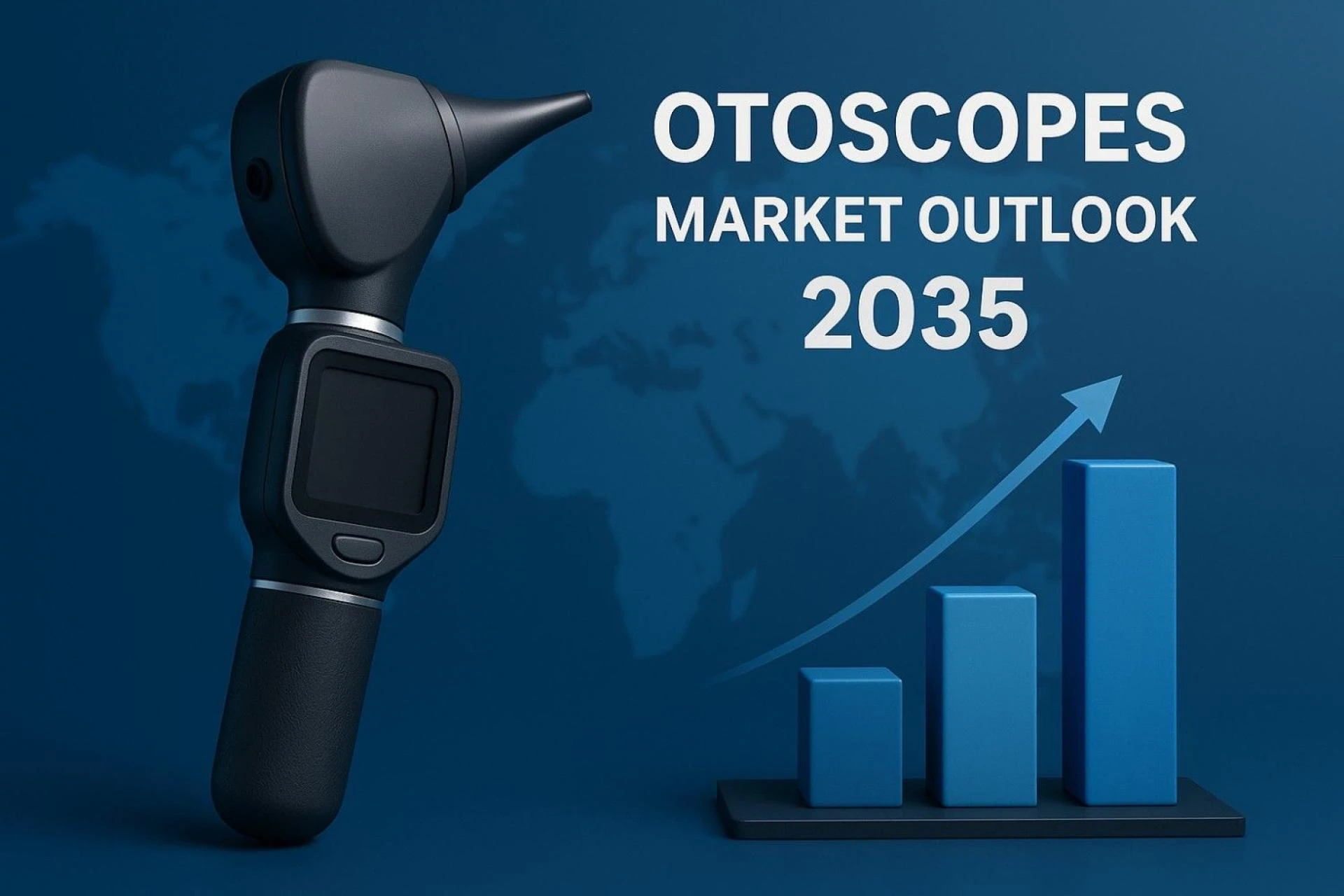
Otoscopes Market Outlook 2035
The otoscopes industry was valued at US$ 184.2 Mn in 2024 and is projected to grow at a CAGR of 3.9% from 2025 to 2035, reaching over US$ 278.5 Mn by 2035.
This steady growth underscores how ear health awareness, combined with technological progress and the expansion of telehealth services, is driving widespread adoption across hospitals, clinics, and home-care settings.
Digital Transformation in Ear Care
The most exciting change in the otoscopes market is the shift toward digital and video otoscopes. Unlike traditional models, these devices use high-resolution cameras and LED lighting to capture detailed images and videos of the ear canal.
- Smart Connectivity: Many modern otoscopes connect via Wi-Fi or Bluetooth to smartphones, tablets, or computers, allowing real-time sharing of ear images with healthcare professionals.
- AI Integration: Artificial intelligence tools are being developed to automatically detect symptoms of common conditions such as otitis media or earwax impaction.
- Cloud Storage: Digital otoscopes can store and transfer data securely, simplifying long-term tracking of a patient’s ear health.
This fusion of technology and medicine is making ear diagnostics more accurate, data-driven, and accessible than ever before.
Market Drivers: What’s Fueling the Growth?
- Rising Awareness About Hearing Health
- Increased understanding of preventable hearing loss and early diagnosis has made otoscopes indispensable tools across healthcare systems.
- Telemedicine and Remote Consultations
- The surge in virtual healthcare post-COVID-19 has expanded the use of connected otoscopes for remote ear examinations.
- Pediatric and Geriatric Demand
- Children and elderly populations are more prone to ear infections and hearing issues, generating steady clinical demand for otoscopic exams.
- Innovation and Product Design
- Manufacturers are introducing lightweight, portable, and rechargeable otoscopes suitable for both professional and home use.
- Expanding Access in Emerging Markets
- With growing healthcare infrastructure and government support, digital otoscopes are becoming more affordable and accessible in Asia, Africa, and Latin America.
Regional Highlights
- North America leads the market due to strong adoption of advanced diagnostic devices and telehealth platforms.
- Europe follows closely, driven by innovation in precision healthcare and early disease detection programs.
- Asia Pacific represents the fastest-growing region, propelled by expanding healthcare access in China, Japan, and India.
- Latin America and the Middle East & Africa are emerging as new growth zones, thanks to government-backed healthcare initiatives and improving awareness.
Key Industry Players and Competitive Landscape
The otoscopes market is witnessing both consolidation and innovation. Established players such as Welch Allyn (Hillrom), Heine Optotechnik, Rudolf Riester, Olympus Corporation, Firefly Global, and MedRx Inc. continue to dominate, offering reliable, hospital-grade solutions.
At the same time, startups and digital health companies are entering the field with smartphone-connected otoscopes designed for telemedicine and at-home diagnostics. These devices are affordable, portable, and ideal for non-specialist use — broadening the potential customer base.
Strategic collaborations between ENT specialists, medical device manufacturers, and AI developers are shaping the future of otoscopy, focusing on intelligent diagnostics and predictive analytics.
Challenges and Opportunities
While the market outlook is promising, certain challenges persist:
- High costs of advanced digital otoscopes can deter adoption among small clinics and developing regions.
- Training gaps among healthcare workers can limit the effective use of connected devices.
- Data privacy remains a concern as patient data moves into the cloud.
However, these challenges are also opportunities. Continuous innovation, government-backed healthcare digitalization, and open-source AI algorithms are expected to lower costs, improve usability, and ensure data security over time.
The Future: Smarter, Sharper, and More Connected
Looking ahead, the next decade of otoscopy will be defined by integration and intelligence. Imagine an otoscope that not only visualizes the ear canal but also provides instant diagnostic feedback, connects automatically to electronic health records, and uses machine learning to predict potential conditions before symptoms worsen.
This is not far-fetched — it’s already in development. The merging of AI, IoT, and cloud computing is creating a new era of precision otoscopy, making ear health diagnosis faster, more reliable, and globally accessible.
Furthermore, as home healthcare and self-diagnosis trends grow, compact and easy-to-use otoscopes will empower consumers to take proactive control of their ear health, just as digital thermometers and glucose monitors have transformed other areas of wellness.
Conclusion
The Otoscopes Market is moving beyond its traditional boundaries. What began as a simple diagnostic device is now becoming a cornerstone of connected healthcare, bridging the gap between patients, doctors, and technology.
With steady market growth projected through 2035, ongoing innovation, and increasing global awareness, otoscopes are set to become smarter, smaller, and more essential than ever.
In an age where early detection and accessibility define healthcare success, the otoscope stands as a shining example of how even the simplest tools can evolve — shaping a healthier, more connected future for everyone.