Effective communication is the backbone of a successful workplace. Clear, concise, and meaningful exchanges between employees, managers, and clients ensure smooth operations and strong professional relationships. One proven framework to enhance communication skills is the 7 C’s of effective communication. By following these principles, organizations can foster better understanding, reduce conflicts, and boost productivity.
Understanding the 7 C’s of Effective Communication
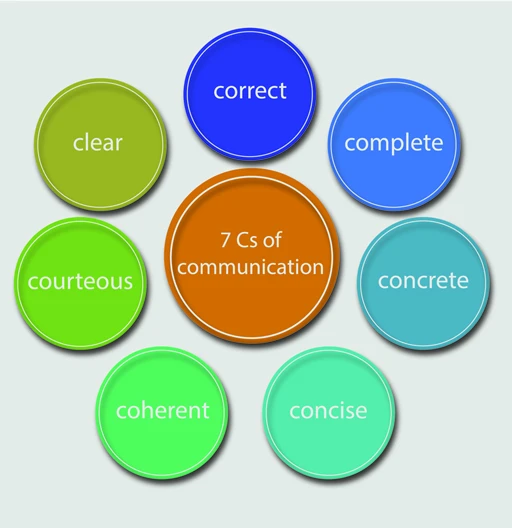
The 7 C’s of effective communication provide a comprehensive guide for crafting messages that are easily understood and well-received. These principles are: Clear, Concise, Concrete, Correct, Coherent, Complete, and Courteous. Applying these principles consistently can transform workplace interactions and promote a collaborative environment.
1. Clarity
Clarity ensures that the message is easily understood. Ambiguous statements or unclear instructions can lead to confusion and errors. In a workplace setting, being clear about project requirements, deadlines, or feedback helps employees perform their tasks efficiently. Clarity is the first and perhaps the most crucial of the 7 C’s of effective communication.
2. Conciseness
Conciseness emphasizes brevity without sacrificing essential information. Long-winded explanations or unnecessary details can overwhelm the recipient. By keeping messages short and to the point, professionals ensure that their communication is effective and time-efficient, aligning with the 7 C’s of effective communication principle of conciseness.
3. Concreteness
Concrete communication relies on facts, figures, and specific examples rather than vague statements. Providing concrete data in reports, presentations, or emails enhances credibility and ensures the recipient clearly understands the message. Concreteness is a key element in the 7 C’s of effective communication that supports transparency and reliability.
4. Correctness
Correct communication involves using accurate information, proper grammar, and the right terminology. Miscommunication due to errors can damage credibility and create misunderstandings. Ensuring correctness in every interaction strengthens professional relationships and aligns with the 7 C’s of effective communication.
5. Coherence
Coherence ensures that all parts of the message are logically connected and flow smoothly. Disorganized communication can confuse the recipient and dilute the intended message. Maintaining coherence helps employees follow instructions, understand strategies, and collaborate effectively, demonstrating the importance of the 7 C’s of effective communication.
6. Completeness
A complete message contains all necessary information the recipient needs to take action or make decisions. Incomplete communication can lead to delays, errors, or repeated follow-ups. Providing comprehensive information ensures tasks are executed correctly, highlighting the completeness principle of the 7 C’s of effective communication.
7. Courtesy
Courtesy involves being respectful, polite, and considerate in all forms of communication. A courteous approach fosters positive relationships, reduces conflicts, and encourages open dialogue. By practicing courtesy, professionals contribute to a healthy workplace culture, fulfilling the final principle of the 7 C’s of effective communication.
Benefits of Applying the 7 C’s of Effective Communication in the Workplace
- Improved Productivity: Clear and concise instructions reduce errors and save time.
- Enhanced Collaboration: Coherent and complete communication facilitates teamwork.
- Reduced Conflicts: Courteous and concrete messages minimize misunderstandings.
- Professional Growth: Employees who communicate effectively gain respect and trust from colleagues and management.
- Better Decision-Making: Correct and complete information enables informed choices.
Conclusion
The 7 C’s of effective communication—Clarity, Conciseness, Concreteness, Correctness, Coherence, Completeness, and Courtesy—are essential for improving workplace interactions. Applying these principles ensures that messages are understood, respected, and acted upon, creating a collaborative and productive work environment. By mastering the 7 C’s of effective communication, professionals can enhance relationships, reduce misunderstandings, and contribute significantly to organizational success.