
Bus travel remains one of the most important modes of transport in Nepal, connecting cities, towns, and remote hill regions. With challenging terrain, winding mountain roads, and long travel hours, comfort and safety have always been primary concerns for passengers. In recent years, technology has played a major role in improving the overall bus travel experience, making journeys smoother, safer, and more reliable for both managers and travellers.
Stronger and smarter chassis design
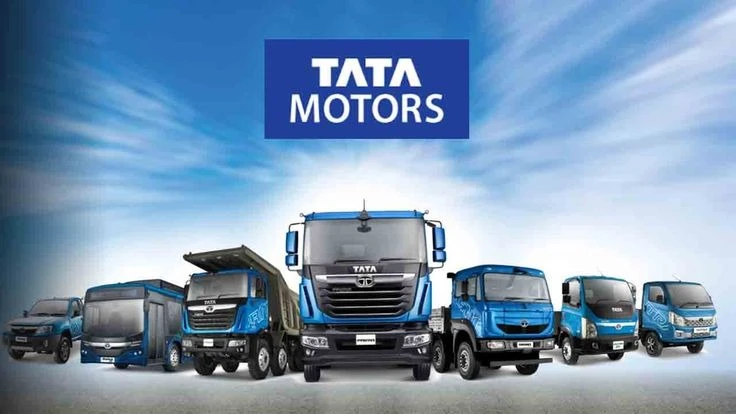
Modern buses are now built on advanced chassis platforms designed to handle Nepal’s diverse road conditions. When operators evaluate options such as the Tata LPO 1618 bus chassis, they are often looking for durability, load stability, and better suspension performance.
These improvements help buses manage sharp slopes, sharp turns, and uneven road surfaces common across hilly and rural routes. A better chassis design also makes rides more comfortable by reducing vibrations and keeping the bus steady, which is especially helpful on long trips between cities.
Improved safety through technology
Modern buses now focus a lot on safety. Upgrades like better brakes, stronger frames, and improved steering help drivers handle tough roads and changing weather. Better visibility and lighting also make night travel safer. These changes help drivers feel less tired and make passengers feel safer, especially on long trips through difficult areas.
Enhanced passenger comfort
Technology has made bus interiors much better for passengers. Improved suspension, comfortable seats, and better air flow help people feel less tired. Many new buses also have climate control to keep the temperature comfortable, which is especially useful during hot trips in the Terai or on busy city routes.
Noise-reducing features also help make the inside of the bus quieter and more relaxing, even when the roads outside are rough.
Operational efficiency for bus operators
From an operator’s perspective, technology supports better fleet management and cost control. Modern vehicles have been designed for improved fuel efficiency and easier maintenance, helping reduce downtime.
When reviewing factors such as the Tata bus chassis price in Nepal, operators often weigh not just the upfront cost but also long-term functional benefits, including reliability and service effectiveness. Improved engine performance and component durability enable buses to operate consistently over long routes, even in harsh conditions.
Digital support systems
Technology is also changing how bus companies keep track of their vehicles. Diagnostic tools can spot problems early, lowering the chance of breakdowns on remote roads. This is especially helpful in Nepal, where help may not always be close by. Better communication systems also help operators plan schedules and handle delays from weather or road issues, making travel more reliable for passengers.
Conclusion:
Technology has made bus travel in Nepal safer, more comfortable, and easier to manage. Passengers enjoy smoother rides and feel less tired, while operators benefit from reliable buses and simpler maintenance. As more people need to travel, modern bus technology will help connect communities and make daily trips more dependable.