
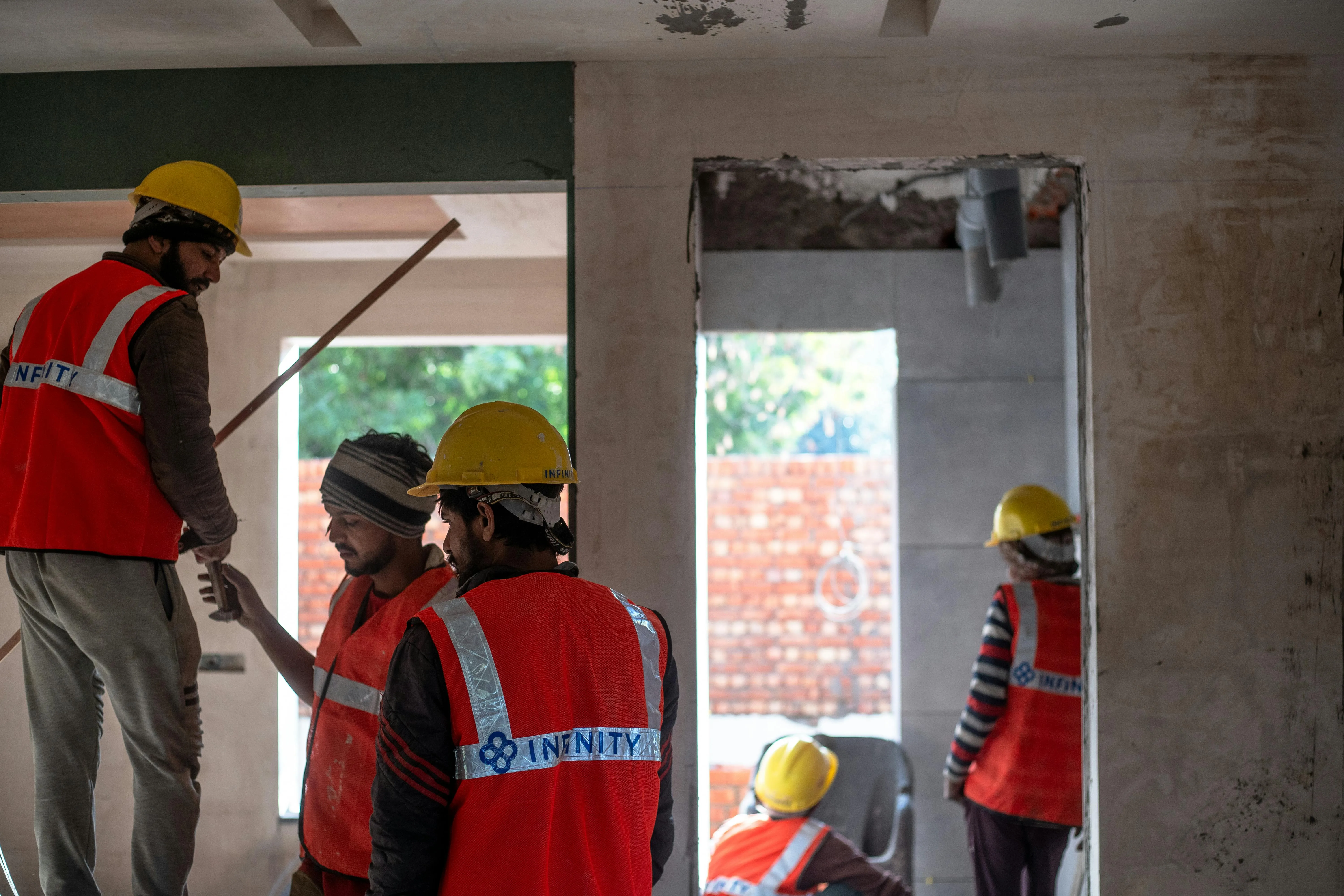
Successful projects are rarely the result of isolated effort. In industries that rely on coordination, precision, and timing, the strength of professional relationships often determines whether a project meets expectations or falls short. Among these relationships, the connection between contractors plays a particularly important role in shaping overall outcomes.
When contractors work together effectively, projects tend to run smoother and produce higher-quality results. Clear communication, mutual respect, and a shared commitment to excellence create a strong foundation for success. These elements not only improve day-to-day operations but also contribute to long-term reliability across projects.
Building Trust for Better Collaboration
Trust is the cornerstone of any strong working relationship. When contractors trust one another, they are more likely to communicate openly, share valuable insights, and address challenges without hesitation. This level of transparency helps prevent small issues from escalating into larger problems that can disrupt progress.
Establishing trust takes time, but the payoff is significant. Contractors who have a history of working together successfully develop confidence in each other’s abilities and decision-making. This confidence allows them to collaborate more efficiently and focus on achieving project goals rather than managing uncertainty.
Over time, trust creates a more stable and predictable working environment. Teams that rely on strong relationships are better equipped to maintain consistency and deliver results that align with expectations.
Enhancing Communication Across Teams
Clear communication is essential in any project setting, especially when multiple contractors are involved. Strong relationships help facilitate better communication by encouraging openness and reducing misunderstandings. When contractors feel comfortable working with one another, they are more likely to share updates, raise concerns, and ask questions when needed.
Effective communication also improves coordination. Contractors who understand each other’s roles and responsibilities can align their efforts more easily, ensuring that tasks are completed in the correct sequence. This reduces delays and helps keep projects on schedule.
In addition, strong communication allows for quicker decision-making. When contractors are on the same page, they can respond to changes and challenges more efficiently, minimizing disruptions and maintaining momentum.
Improving Efficiency and Productivity
Strong contractor relationships contribute directly to improved efficiency. When teams work well together, there is less duplication of effort and fewer errors that require correction. This streamlined approach helps conserve both time and resources, allowing projects to progress more smoothly.
Familiarity between contractors also plays a key role in productivity. Teams that have collaborated before understand each other’s workflows and expectations, which reduces the need for constant clarification. This allows them to focus more on execution and less on coordination.
In some cases, established relationships also provide access to specialized tools and expertise. For example, working with contractors who utilize a Diversitech industrial air filtration system can enhance site conditions and improve overall efficiency without requiring additional adjustments or delays. This kind of integration supports a more seamless project experience.
Strengthening Problem-Solving Capabilities
Every project encounters challenges, whether they involve timeline adjustments, resource limitations, or unexpected conditions. Strong contractor relationships make it easier to navigate these challenges effectively. When teams trust each other, they are more likely to collaborate on finding solutions rather than assigning blame.
Collaboration leads to better problem-solving because it brings multiple perspectives to the table. Contractors can draw on their combined experience to evaluate options and determine the most effective course of action. This approach often results in more innovative and practical solutions.
Additionally, strong relationships encourage proactive thinking. Contractors who work well together are more likely to anticipate potential issues and plan accordingly. This reduces the likelihood of major disruptions and helps maintain steady progress throughout the project.
Supporting Long-Term Success
The benefits of strong contractor relationships extend beyond individual projects. Companies that invest in building and maintaining these relationships create a network of reliable partners who can be called upon for future work. This continuity contributes to greater efficiency and consistency over time.
Long-term relationships also encourage ongoing improvement. Contractors who work together regularly can learn from past experiences and refine their processes to achieve better results in future projects. This continuous growth supports higher levels of performance and innovation.
As these relationships strengthen, they also open the door to new opportunities. Contractors who are known for effective collaboration are more likely to be involved in larger and more complex projects, further enhancing their reputation and potential for success.
Conclusion
Strong contractor relationships are a vital component of successful project outcomes. By fostering trust, improving communication, and enhancing efficiency, these connections create a solid framework for collaboration. They also play a key role in maintaining quality, reducing risks, and supporting effective problem-solving throughout the project lifecycle.
As industries continue to evolve, the importance of strong professional relationships will remain constant. Projects built on trust and collaboration are more likely to achieve lasting success, benefiting everyone involved from start to finish.