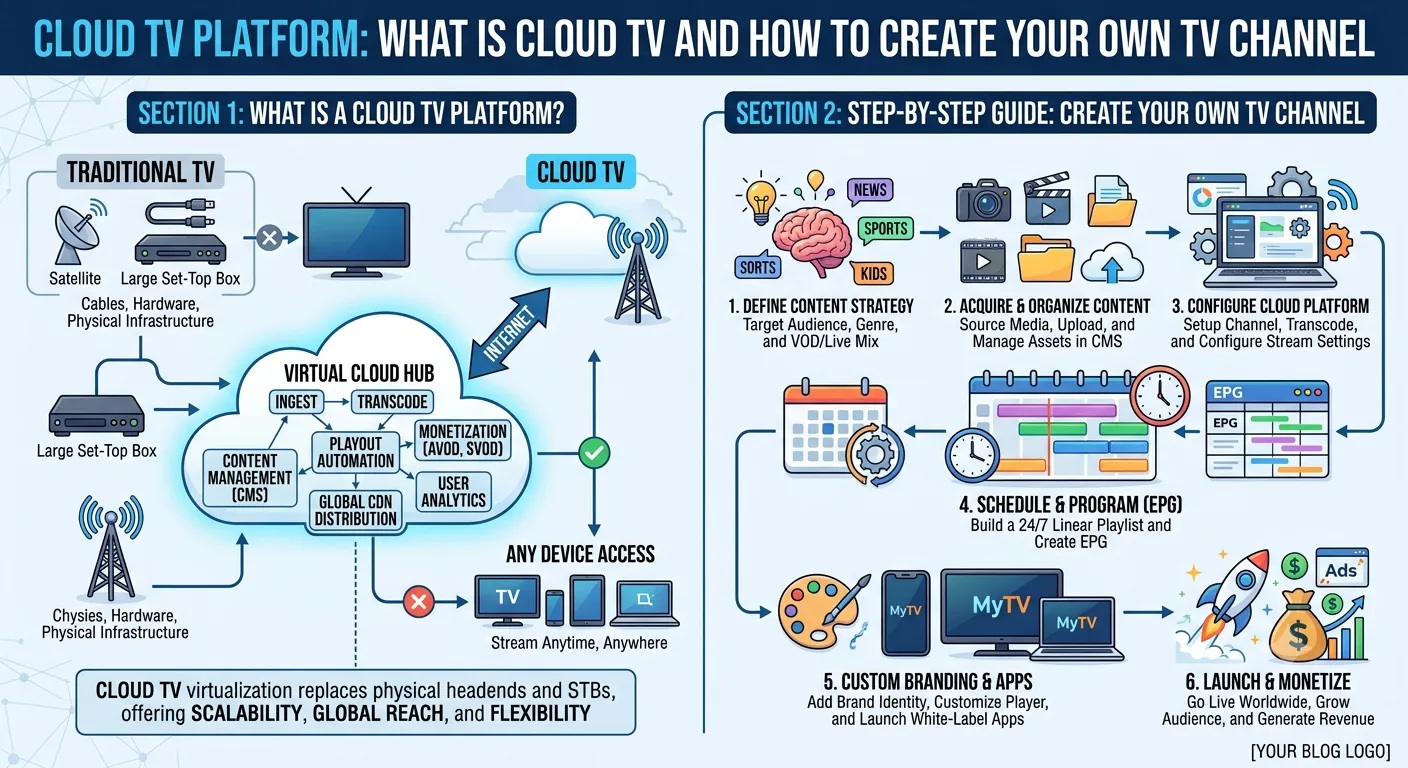
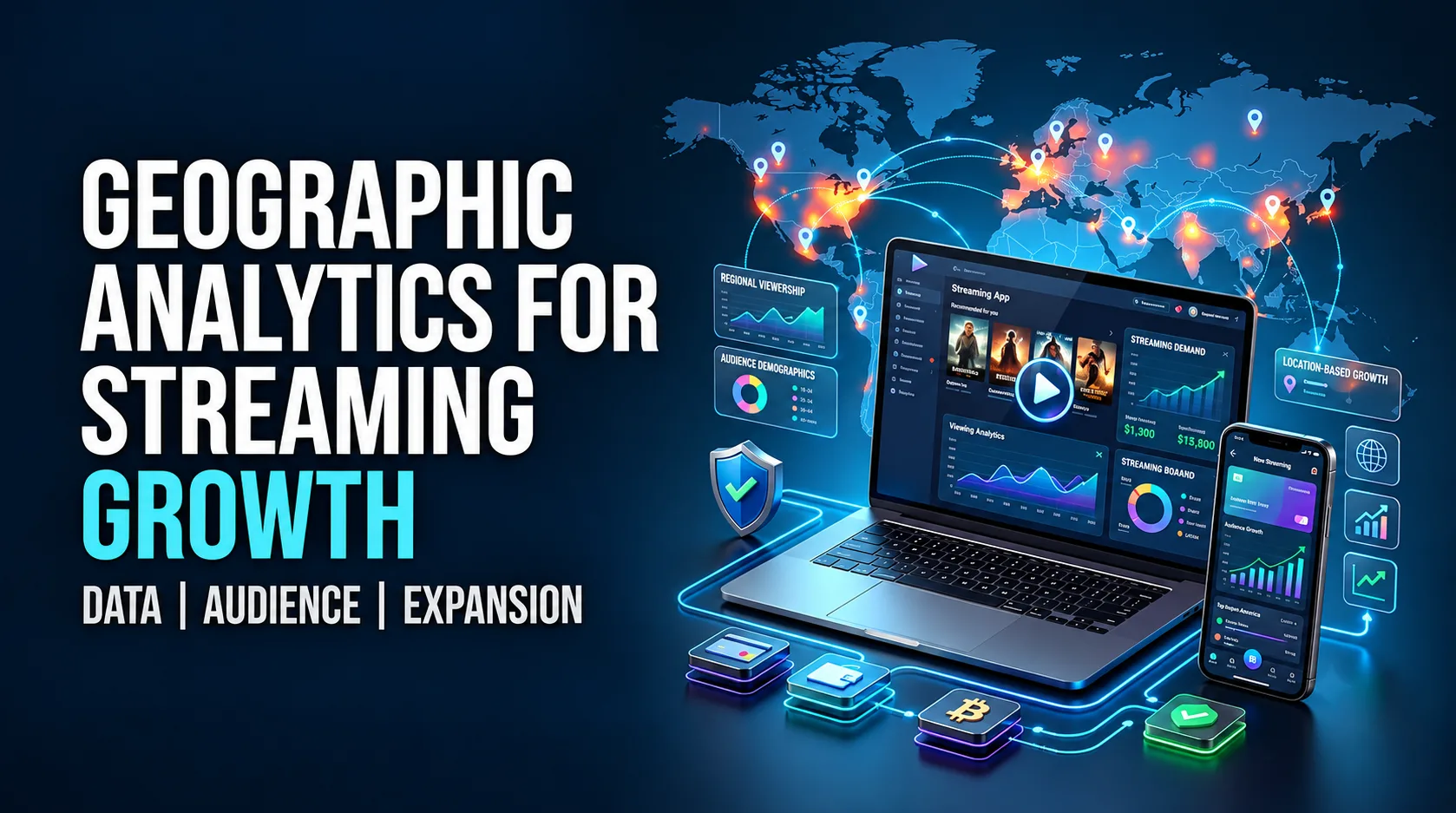
The development of streaming app solutions has changed the way people find and view their digital entertainment. Now users expect more than just a massive collection of movies and TV shows; they require content recommendations based on their language, cultural background, viewing behavior, and regional entertainment preferences. For this reason, streaming apps are increasingly using artificial intelligence (AI), machine learning algorithms, and regional user information to offer personalized services.
Personalization according to region allows streaming platforms to offer users content that is more relevant to their community and interests, no matter whether this is a regional movie, a popular local sporting event, an educational documentary about a familiar area, or a global success series.
For companies that want to launch a streaming service, it is necessary to know the impact of regional preferences on content recommendations.
1. Understanding Regional Preferences in Streaming
Regional preferences refer to the entertainment choices and viewing patterns associated with a particular geographic area or audience community. These preferences can be influenced by language, cultural traditions, local events, popular actors, sports interests, and established entertainment habits.
For example, viewers in different parts of the USA may demonstrate different interests depending on their communities and lifestyles. Some audiences may frequently watch regional sports coverage, while others may prefer local documentaries, independent films, reality television, or Spanish-language programming.
Streaming platforms can use aggregated regional viewing trends to understand which types of content are gaining popularity in different markets.
Regional preferences can influence recommendations through factors such as:
- Popular genres in a geographic area.
- Language and subtitle preferences.
- Local sports and entertainment interests.
- Regional viewing trends and seasonal events.
- Popular actors, filmmakers, and television personalities.
- Content associated with particular cultural communities.
However, location alone does not determine an individual's interests. Effective personalization combines regional patterns with each user's preferences to avoid making assumptions based solely on where someone lives.
2. How AI Powers Personalized Streaming Recommendations
Artificial intelligence helps streaming platforms analyze large amounts of viewing data and identify patterns that can improve content discovery.
Instead of displaying the same list of movies and shows to every user, an AI-powered recommendation system can rank content according to its estimated relevance to each viewer.
For example, a user who regularly watches science documentaries and historical dramas may receive recommendations for similar titles. Another viewer in the same city who prefers comedy and live sports may see an entirely different homepage.
AI-based recommendation systems commonly use several techniques.
Machine learning
Machine learning models identify patterns in viewing behavior and use them to estimate which titles a user may enjoy. As more relevant interaction data becomes available, the platform can update its recommendations.
Natural language processing
Natural language processing helps systems analyze text associated with content, including descriptions, genres, subtitles, reviews, and metadata. It can help identify themes, languages, and topics that are relevant to specific audiences.
Content-based filtering
This method recommends titles with characteristics similar to content a user has previously watched or enjoyed.
For example, someone who frequently watches independent American films may receive suggestions for other independent productions with similar themes or styles.
Collaborative filtering
Collaborative filtering identifies patterns among users with similar viewing behavior. If viewers with comparable interests enjoy a particular documentary, the system may recommend it to other users with similar preferences.
Streaming platforms often combine these approaches rather than relying on a single recommendation method. This makes it possible to consider both the characteristics of a title and the behavior of audiences who may enjoy it.
3. Using Regional Viewing Data to Identify Audience Trends
Regional viewing data helps streaming businesses understand how entertainment preferences vary across markets.
When analyzed appropriately, aggregated data can reveal which genres are gaining attention, which languages are popular, and how viewing patterns change during specific periods.
For instance, a streaming platform operating across the USA may observe increased interest in professional football coverage during the season, holiday-themed films in late November and December, or locally relevant documentaries around major regional events.
These patterns can help platforms determine which content to feature prominently and which titles may benefit from targeted recommendations.
Useful data points may include:
- Frequently watched genres by market.
- Search terms and content discovery patterns.
- Completion rates for movies and episodes.
- User-selected audio and subtitle languages.
- Engagement with regional collections.
- Viewing trends during particular events or seasons.
The quality of these insights depends on accurate data, suitable sample sizes, and appropriate interpretation. A temporary increase in interest should not automatically be treated as a permanent change in audience preferences.
Platforms should also distinguish between content availability and genuine user interest. A title may receive fewer views because it is difficult to find, unavailable in a preferred language, or not included in a user's subscription plan.
4. Why Language, Subtitles, and Dubbing Matter
Language is one of the most important factors influencing how audiences discover and enjoy streaming content.
Even when a movie or television series is popular internationally, language barriers can limit its accessibility. Providing suitable audio and subtitle options helps platforms serve multilingual audiences and introduce viewers to content from other regions.
For example, a streaming service in the USA may serve English-speaking viewers, Spanish-speaking households, bilingual users, and audiences interested in international cinema. Allowing users to select preferred audio tracks and subtitles makes the content library more accessible to these groups.
Important language-related features include:
Personalized language settings: The application can prioritize a user's selected interface language, audio language, and subtitle preferences.
Localized metadata: Titles, descriptions, categories, and search results can be adapted for different languages and markets.
Dubbing recommendations: Users may be shown titles with audio tracks in their preferred language.
Subtitle availability: Filters can help viewers find content with appropriate subtitle options.
Language-aware search: Users can search for content using familiar language variations, translated titles, or localized terms where supported.
Localization also involves more than translation. Humor, idioms, historical references, and social context may need adaptation to preserve the meaning of the original content.
5. How Streaming Platforms Adapt to Different US Markets
The USA provides a useful example of regional personalization because its entertainment audience includes different languages, cultural communities, local identities, and sports interests.
Although national viewing trends remain important, streaming services can use regional signals to improve content discovery for audiences with different needs.
Regional sports and live events
Sports preferences can vary by city, state, and local fan community. A viewer in Boston may be interested in New England sports coverage, while someone in Los Angeles may follow teams and events associated with Southern California.
A streaming application can use explicitly selected teams, followed leagues, viewing history, and available location signals to highlight relevant sports programming.
However, geographic relevance must be balanced with broadcasting rights, subscription eligibility, and local availability restrictions.
Spanish-language and bilingual programming
Spanish-language programming serves a substantial audience in the USA. Streaming platforms can help viewers discover Spanish-language films, television series, documentaries, and other programming through language settings and relevant content collections.
For example, a viewer who frequently watches Spanish-language dramas may receive recommendations for similar series, regardless of whether those titles originate in the USA or another country.
The system should learn from the viewer's actual choices rather than assuming language preference from location or background.
Local stories and regional documentaries
Audiences may be interested in documentaries and entertainment connected to their communities. A user in the Southwest might explore regional history, local food traditions, or nature documentaries about nearby landscapes, while a viewer in the Northeast might prefer content about regional history, coastal communities, or local cultural institutions.
These are possible personalization opportunities, not universal preferences for residents of those areas.
Seasonal entertainment
Viewing behavior often changes around holidays, major sporting events, and school breaks. Streaming services can highlight relevant collections during these periods.
For example, a platform may feature Thanksgiving-themed entertainment in November or family-friendly holiday movies in December for users who engage with that type of content.
By combining regional context with personal viewing patterns, platforms can make seasonal discovery more useful without presenting identical recommendations to everyone.
6. Personalizing the Streaming Homepage
The homepage is one of the most important parts of a streaming application because it influences which titles viewers discover first.
A personalized homepage may include several recommendation sections, such as:
- Continue Watching.
- Recommended for You.
- Popular in Your Area.
- Trending in Your Preferred Language.
- New Releases in Your Favorite Genres.
- Live Events You May Like.
- Similar to Your Recently Watched Titles.
The order and contents of these sections can change according to viewing behavior, regional trends, content availability, and subscription access.
For example, a user who regularly watches documentaries may see documentary recommendations near the top of the homepage. Another user who frequently watches live sports may see upcoming events and sports-related programming more prominently.
Personalization should also allow room for discovery. If a platform repeatedly recommends the same genres, users may miss new titles that could interest them.
A balanced homepage combines familiar preferences with carefully selected recommendations from outside a user's usual viewing habits.
7. The Role of Real-Time Trends in Content Discovery
Regional entertainment trends can change quickly. A new series may become popular following a major cultural event, while interest in a live broadcast may rise sharply as an event approaches.
Streaming applications can respond to these patterns by updating recommendation sections and highlighting relevant content.
For example, a service may identify growing interest in a particular documentary after it receives widespread attention in a region. It can then make the title easier to discover among viewers who have demonstrated related interests.
Real-time or frequently updated systems may use signals such as:
- Recent viewing activity.
- Search popularity.
- Engagement with featured content.
- Interest in related titles.
- Upcoming events and release schedules.
These signals should be interpreted carefully. A title trending in a region may not appeal to every viewer, and a high volume of searches does not necessarily indicate sustained satisfaction.
Platforms can combine current trends with personal preferences to recommend timely content without relying exclusively on popularity.
8. Benefits of Regional Personalization for Streaming Businesses
Regional personalization can improve both the viewer experience and the business performance of a streaming service.
Higher viewer engagement
When users discover relevant movies and shows more easily, they may spend less time searching and more time watching content they enjoy.
Better content discovery
Personalized categories can help viewers find titles that might otherwise remain hidden within a large library.
Improved user retention
A service that consistently provides relevant recommendations gives users a stronger reason to return. Retention also depends on content quality, pricing, reliability, and the overall viewing experience.
More effective content investment
Aggregated regional trends can help streaming businesses understand audience demand and identify potential opportunities for content acquisition or production.
Greater market reach
Language-aware recommendations and localized discovery features can help platforms serve audiences across different regions and cultural communities.
More relevant promotions
When appropriate and consented to, platforms can tailor content promotions to user interests and regional availability, helping reduce irrelevant recommendations.
These benefits are not automatic. Businesses should evaluate personalization through measurable outcomes rather than assuming that more data or more sophisticated AI will always improve performance.
9. Challenges in Regional Content Personalization
Although regional personalization offers substantial opportunities, it also introduces technical, ethical, and operational challenges.
User privacy and data protection
Viewing history, location signals, and account information can reveal sensitive details about people's interests and habits. Streaming providers should collect only the information needed for clearly defined purposes and apply appropriate security controls.
Where required, platforms must also provide suitable notices, consent mechanisms, and ways for users to manage relevant privacy settings.
Cultural sensitivity
Regional recommendations can become ineffective or offensive if they rely on stereotypes or treat diverse communities as having identical interests.
For example, a platform should not assume that every person in a particular state prefers the same sports, language, or entertainment genre.
Combining explicit user preferences with observed behavior is generally more useful than making broad assumptions about identity.
Recommendation accuracy
Recommendation algorithms can make mistakes, especially when a user has limited viewing history or when a new title lacks sufficient engagement data.
This is known as the cold-start problem. Platforms can address it by using content metadata, optional preference selections, editorial collections, and broader recommendations until enough interaction data becomes available.
Filter bubbles
Overpersonalization can repeatedly expose users to similar content and reduce the variety of titles they discover.
Streaming services can counter this by including diverse recommendations, editorial selections, new releases, and options to explore unfamiliar genres.
Content licensing and availability
A title may be popular in one region but unavailable in another because of licensing agreements, distribution rights, or other restrictions.
Recommendation systems must consider actual availability so that users are not repeatedly shown content they cannot watch.
10. Measuring the Success of Regional Personalization
Businesses need clear metrics to determine whether their personalization strategy is improving the viewing experience.
Useful performance indicators include:
MetricWhat It MeasuresRecommendation click-through rateHow often users select recommended titlesViewing completion rateHow often viewers finish a movie or episodeSearch-to-play rateHow often a search leads to playbackTime to first playHow quickly users find something to watchReturning viewer rateHow frequently users return to the platformSubscription retentionHow well the service retains subscribers over timeContent discovery diversityWhether users explore a range of titles and genresThese metrics should be interpreted together. For example, longer viewing sessions do not necessarily indicate greater satisfaction if users struggle to find suitable content.
Businesses can also run controlled experiments to compare different recommendation layouts, regional collections, and personalization approaches. Results should be assessed across relevant audience groups to identify whether a change benefits some users while disadvantaging others.
11. Future Trends in AI-Driven Regional Personalization
As AI capabilities develop, streaming platforms may offer more flexible and context-aware ways to discover content.
Conversational content discovery
Users may increasingly be able to describe what they want in natural language. For example, a viewer could ask for a short documentary about American history with Spanish subtitles or a family comedy suitable for a weekend movie night.
AI can interpret these requests and identify relevant titles based on metadata, availability, and user preferences.
More sophisticated multilingual experiences
Advances in translation, speech technology, dubbing, and subtitle generation may make it easier to offer content across languages. Human review will remain important for quality, cultural nuance, and sensitive material.
Better recommendations for new users
New recommendation models may combine optional onboarding preferences, content characteristics, and broad popularity signals to provide useful suggestions before a user builds a substantial viewing history.
Greater emphasis on privacy-conscious AI
Streaming businesses may increasingly explore approaches that reduce unnecessary collection or movement of personal data while still supporting useful recommendations. The suitability of any approach depends on the platform's architecture, privacy requirements, and implementation.
More interactive personalization
Future interfaces may allow users to adjust recommendation preferences directly, such as choosing more international films, fewer repeated suggestions, or a wider range of genres.
These developments can make personalization more transparent and give viewers greater control over their entertainment experience.
12. What Businesses Should Consider When Developing a Streaming App
Businesses planning the development of streaming applications should treat personalization as a core product capability rather than an optional feature added at the end.
A practical implementation strategy includes several steps.
- Define the target audience: Identify the regions, languages, genres, and audience segments the platform intends to serve.
- Organize content metadata: Maintain accurate information about genres, languages, themes, release dates, availability, and age ratings.
- Build a reliable data foundation: Collect appropriate interaction signals while respecting privacy and data protection requirements.
- Choose suitable recommendation methods: Combine content-based filtering, collaborative filtering, and regional trend analysis where appropriate.
- Design flexible user preferences: Let viewers select languages, genres, favorite teams, and other interests when relevant.
- Test across different audiences: Evaluate recommendation quality across markets and user groups rather than relying only on overall performance.
- Monitor and improve: Use meaningful metrics and user feedback to identify problems and refine recommendations.
Businesses looking to launch AI streaming platform solutions should also plan for scalability, content licensing, secure infrastructure, and ongoing model evaluation. A well-designed platform needs to deliver relevant recommendations while remaining responsive, reliable, and respectful of user preferences.
Conclusion
Regional personalization will be one of the key features of any streaming application in the near future due to the fact that users may find interesting content that suits their interests, languages, cultures, and entertainment preferences. Thanks to a combination of AI, machine learning, regional watching trends and user preferences, streaming platforms can provide better personalization experiences for their users.
In case of various companies providing services for diverse users in the USA, the key here is in finding the right balance between local and individual personalization features. Good personalization is aimed at making content easier to find without using stereotypes, compromising users' privacy, and limiting the range of new content.
Thanks to the ongoing evolution of streaming technologies, such platforms which will use well-developed recommendation systems, good content analytics and measurement, good privacy policies, and constant performance monitoring will be able to form good relations with their users.
To learn more about app development, check out the link below and watch the video.
here