Spray foam insulation condensation by creating a continuous air seal and thermal barrier that prevents warm, moist air from hitting cold surfaces. Since moisture in the air only turns into liquid water when it reaches its dew point on a surface, this material eliminates the temperature difference required for that change. You can effectively manage indoor humidity and protect structural integrity by choosing this airtight solution for your building.
This guide explains the mechanics of moisture movement and how modern materials keep your property dry. Experts in the field understand that traditional materials often allow air to pass through, which leads to hidden rot and mold. Using a high-performance sealant ensures that your walls and ceilings remain healthy for decades.
The Mechanics of Moisture and Spray Foam Insulation
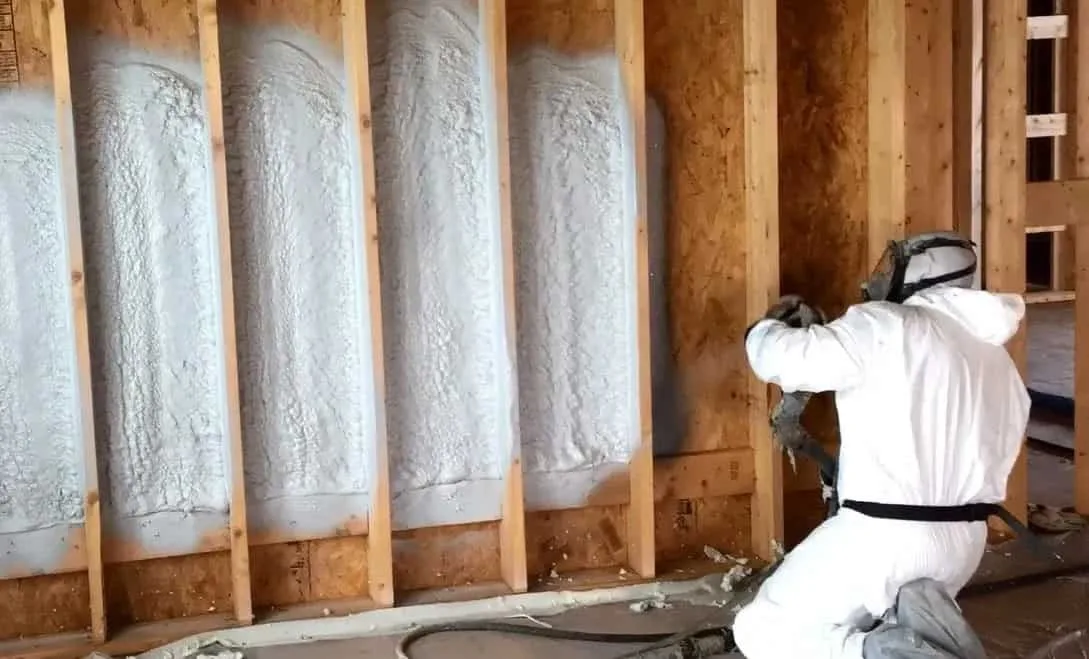
Condensation occurs when water vapor in the air meets a surface that is colder than the dew point. In most buildings, this happens inside wall cavities or attic spaces where warm interior air leaks through small gaps. Spray foam insulation provides an airtight seal that physically blocks moist air from reaching cold exterior sheathing or roofing materials.
How Spray Foam Stops Condensation in Walls and Ceilings
The material expands upon application to fill every crack, stud bay, and bypass. This expansion creates a custom fit that fiberglass batts or cellulose simply cannot match. By the foam, the interior wall surface stays close to room temperature.
Understanding Insulation's Role in Preventing Condensation Buildup
Traditional insulation acts like a filter, allowing air to pass through while only slowing down heat transfer. If you have air moving through your walls, you have moisture moving through your walls. A professional condensation control installation service for buildings addresses the root cause by combining thermal resistance with an integrated air barrier.

Different Types of Foam for Moisture Management
Closed-cell foam is particularly effective because it acts as its own vapor retarder. It has a high density that prevents water molecules from soaking into the material itself. Open-cell foam is also useful in many climates, as it stops airflow while allowing the assembly to dry if a leak occurs from the outside.
Vapor Retarder Requirements
In colder climates, building codes often require a vapor retarder on the warm side of the wall. Closed-cell foam usually meets these requirements without extra plastic sheeting. This simplifies the construction process and reduces the risk of trapping moisture in the wrong place.
Bonus Tip for Attic Ventilation
If you use foam on the underside of your roof deck, you are creating an unvented attic. This strategy keeps your HVAC equipment in a conditioned space and prevents the massive temperature swings that cause ceiling drips.
Why Does Humidity Build Up in Buildings?
Many people wonder why their homes feel damp even with the heater running. Most moisture problems stem from daily activities like showering, cooking, and even breathing. When these vapors cannot escape or are pulled into cavities by air pressure differences, they liquefy and cause damage.
The Risks of Ignoring Wall Moisture
- Development of toxic mold spores behind drywall.
- Wood rot in structural studs and headers.
- Reduced the effectiveness of non-foam insulation materials.
- Peeling paint and bubbling wallpaper on interior surfaces.
- Musty odors that persist regardless of cleaning efforts.

Benefits of Spray Foam Insulation for Moisture and Vapor Control
Beyond stopping drips, this technology offers several long-term advantages for property owners. It creates a more comfortable indoor environment by stabilizing humidity levels. You will notice that your cooling system doesn't have to work as hard to "squeeze" the water out of the air during humid summers.
Performance Comparison of Common Insulation Materials

Factors to Evaluate Before Choosing an Insulation Professional
You should look for a team that understands building science rather than just "spraying foam." A quality spray foam insulation contractor for condensation prevention will perform a thorough inspection of your existing ventilation. They should explain how their work will affect the overall airflow.
Assessing Your Climate Zone
Different regions require different approaches to moisture. In the South, the goal is often keeping humid outdoor air out. In the North, the focus is on keeping indoor humidity from hitting the cold outer shell. A skilled insulation company service for wall moisture control will tailor the foam thickness to your specific zip code.
Equipment and Mixing Standards
The chemical balance of the foam must be precise to ensure. If the mix is off, the foam may shrink or fail to provide the promised air seal. Ask about the monitoring systems the crew uses to maintain the correct temperature and pressure during the install.
Bonus Tip for New Construction
If you are building a new home, apply foam to the "rim joist" area. This is the spot where the house frame meets the foundation. It is one of the most common areas for condensation and air leaks in any building.
Professional Solutions for Complex Moisture Problems
Large buildings and custom homes often have complex rooflines that create "dead zones" for airflow. These areas are prime real estate for condensation. Using spray foam insulation experts for ceiling humidity solutions ensures that these difficult geometries are fully sealed and protected from water damage.
Industrial and Commercial Applications
Commercial steel buildings are notorious for "sweating" when the weather changes. Because metal conducts heat so quickly, the surface temperature drops fast. Applying a layer of foam directly to the metal prevents the air from contacting the cold steel, stopping the sweating instantly.
Additional Technical Details
Most foam products are treated with fire retardants to meet safety codes. It is also important to note that while foam stops air-driven moisture, you still need a functional roof and siding to prevent bulk water (rain) from entering the walls.

Summary of Moisture Protection Strategies
Managing condensation is about controlling where the dew point occurs. By moving the dew point into the body of the foam rather than on a wooden or metal surface, you protect your structure. This approach is the most reliable way to ensure a dry, healthy, and energy-efficient building for years to come. You should evaluate your current utility bills and check for any dark spots on your ceilings to see if moisture is currently an issue.
Contact Professional Experts for a Customized Moisture Control Assessment
If you are dealing with damp walls or unexplained humidity, reaching out to a specialist is the best next step. You can contact the Stellrr Insulation & Spray Foam for a professional evaluation of your building envelope. They provide specialized services to help you determine the best application for your specific needs.
To get a free quote and discuss your project, you can email [email protected] or call (512) 710-2839.
You can also find their location and reviews here:
Google Maps Location
to see how they have helped other property owners solve similar issues.
Common Questions Regarding Insulation and Moisture
Can spray foam hide a roof leak?
Closed-cell foam is dense enough to slow the appearance of a leak. However, modern installers often use moisture meters during inspections to ensure the wood behind the foam remains dry and healthy.
Does this insulation cause wood rot?
No, it actually prevents rot by keeping the wood dry. Rot is caused by liquid water sitting on wood; by stopping condensation, the foam keeps structural members in a stable, dry environment.
Will I need a dehumidifier after installing foam?
Because foam makes a house very tight, you may need to manage indoor humidity through your HVAC system or a whole-house dehumidifier. This is a sign of a well-sealed, energy-efficient home.
Is the material safe for indoor air quality?
Once cured, the material is inert and does not off-gas. By preventing mold growth, it often significantly improves the overall air quality compared to homes with damp, fiberglass-filled walls.
Can I apply foam over existing wet insulation?
No, all old or wet material must be removed before the foam is applied. The surface must be clean and dry to ensure the foam bonds properly and provides a permanent air seal.