India’s rural youth represent both a challenge and an opportunity. While many young people in villages face limited access to education, training, and employment, they also hold immense potential to drive local and national growth. Skill development for rural youth in India is the key to unlocking this potential. By equipping them with practical skills, we can empower them to find meaningful jobs, start businesses, and contribute to their communities.
Why Skill Development Matters
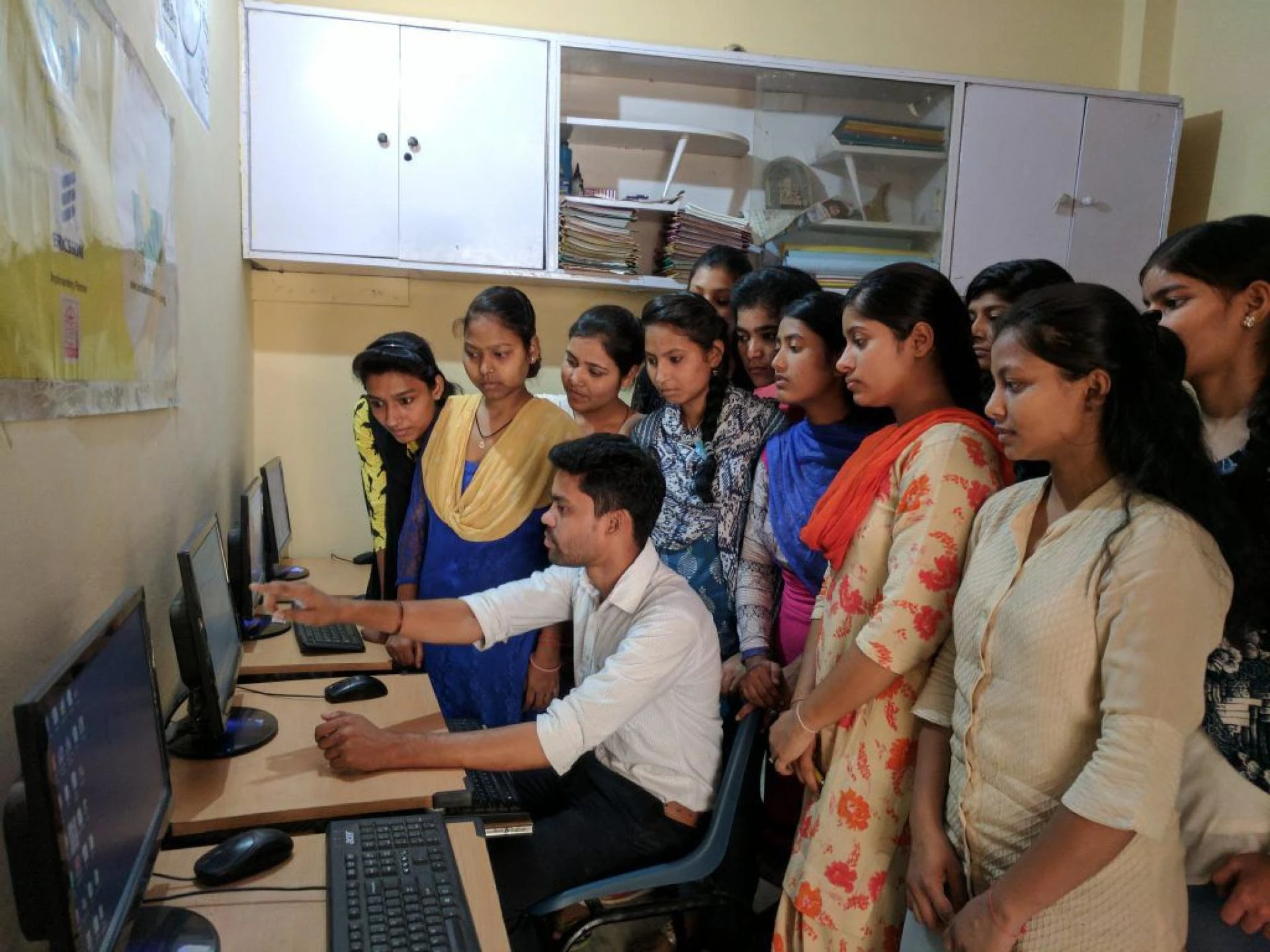
Traditional education alone is not enough to prepare rural youth for today’s job market. Many drop out of school early or graduate without employable skills. Skill development programs bridge this gap by teaching practical abilities such as tailoring, carpentry, digital literacy, and entrepreneurship. These skills help young people secure jobs or create their own livelihoods, reducing migration to cities and strengthening rural economies.
Employment Opportunities Through Training
Skill development initiatives open doors to employment in sectors like agriculture, construction, healthcare, and retail. For example, training in modern farming techniques helps youth increase productivity and income. Vocational courses in healthcare create opportunities for rural youth to work as community health workers. Digital literacy programs prepare them for jobs in e-commerce, data entry, and other technology-driven fields. By aligning training with local needs, skill development ensures that rural youth can find work close to home.
Entrepreneurship and Self-Reliance
Beyond jobs, skill development encourages entrepreneurship. Rural youth trained in skills such as tailoring, handicrafts, or food processing can start small businesses that serve local markets. Microfinance and mentorship programs further support these ventures. Entrepreneurship not only provides income but also creates jobs for others in the community. This self-reliance reduces dependence on external employment and builds stronger, more resilient villages.
Role of NGOs in Skill Development
NGOs play a vital role in making skill development accessible to rural youth. Smile Foundation, for instance, runs livelihood programs that combine training with mentorship and job placement support. Their initiatives focus on practical skills, digital literacy, and soft skills like communication and teamwork. By working closely with communities, NGOs ensure that training is relevant, inclusive, and sustainable. They also help connect rural youth with employers and markets, bridging the gap between training and opportunity.
Building Sustainable Rural Economies
Skill development is not just about individual success; it strengthens entire communities. When rural youth are skilled, they contribute to local economies, reduce unemployment, and inspire others to pursue training. Skilled workers improve productivity in agriculture, healthcare, and small industries, creating a cycle of growth. Over time, this leads to sustainable rural development, where villages thrive without relying solely on urban migration.
Final Thoughts
Skill development for rural youth in India is a powerful tool for change. It transforms challenges into opportunities, turning young people into drivers of progress. By supporting training programs, encouraging entrepreneurship, and partnering with NGOs like Smile Foundation, we can ensure that rural youth have the skills they need to succeed. Investing in skill development is not just about jobs; it is about building stronger communities and a more inclusive nation.