
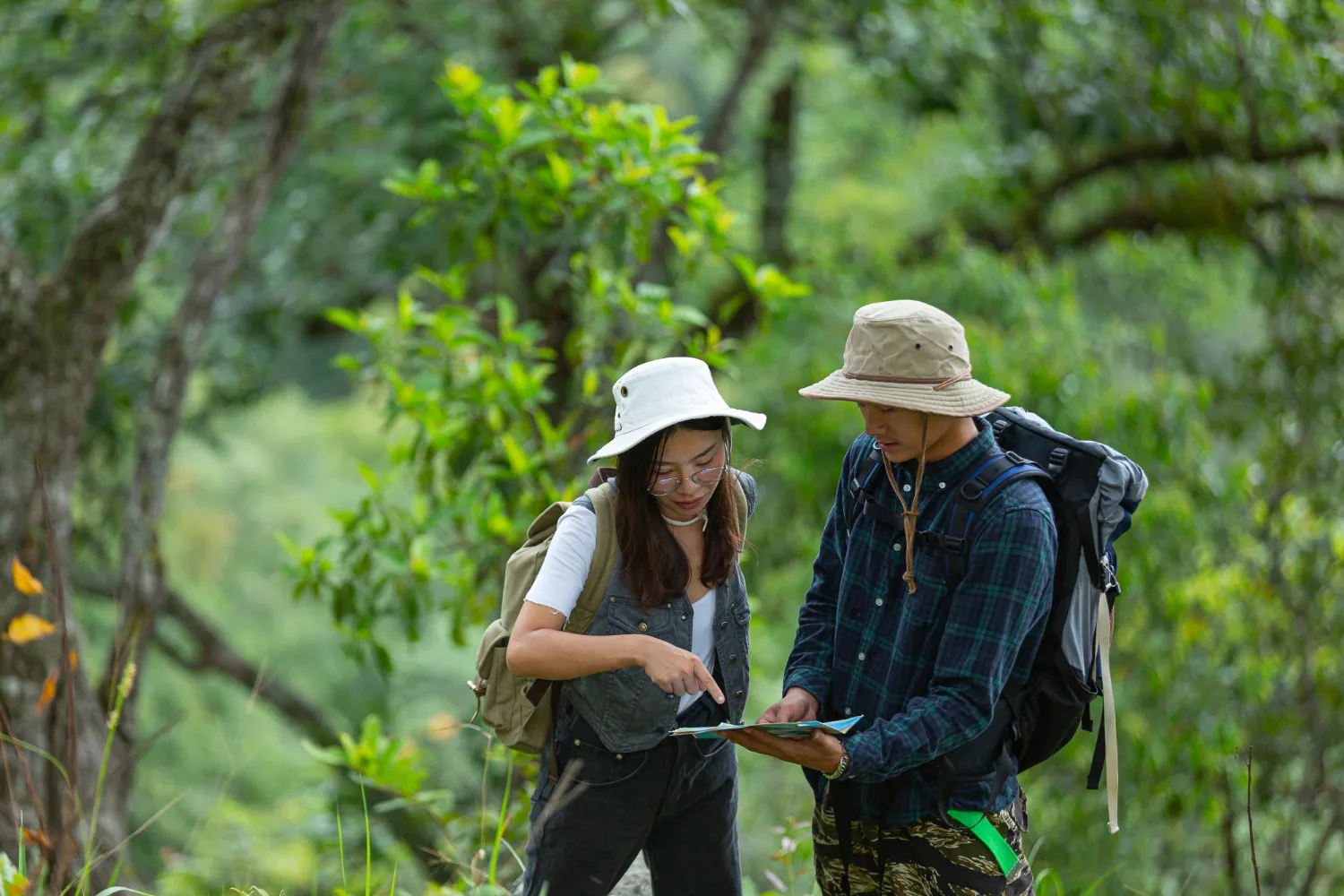
There are different kinds of features in Kerala like forests, backwaters, coast, plantations, heritage places, villages and culturally vibrant areas. To the visitors, this exploration of the sites will not be just going to some popular destinations. A carefully planned journey will allow the traveler to have knowledge of local economy, food, environment, crafts and culture etc., while considering the impacts of tourism on the environment and society.
The essence of eco tourism in Kerala lies in traveling to natural places that involve conservation, sustainable tourism and community benefits. There are various places in Kerala for tourism and visits to forest, waterfalls, wildlife or plantations do not mean ecotourism by themselves.
Some questions that travelers may ask themselves are: Are natural habitats protected? Is visitor activity managed to reduce environmental pressure? Are local communities involved? Does it benefit conservation or local livelihoods? Are the issues of waste generation, water usage, and resource usage considered?
It is necessary to be responsible at the individual level as well. These small things can go a long way towards reducing the damage caused by the tourists to the environment. Tourists can walk only on the designated trails, create no nuisance for the animals, generate smaller amounts of disposables, follow the laws of the place and refrain from taking anything from the nature, whether plants, shells or rocks.
Why is the experiential tourism unique?
Experiential tourism in India emphasizes participation and education as opposed to travelling from one sightseeing spot to another. There are numerous opportunities in India ranging from eating, craft making, farming, cultural performance, heritage walk and community engagement among others.
Experience quality can greatly depend on its design. For example, a cultural experience should provide context and acknowledge the people whose culture is being presented. In addition, one can take into consideration the number of locals participating in the activity and the economic implications for the local population as well.
For example, the preparation of an authentic dish in the region can be an educative experience concerning the ingredients, agricultural practices, food culture, and family traditions of the locals. On the other hand, engaging in craftsmanship can be an educational experience on the process of making crafts and economic implications for craftsmen.
Therefore, one can argue that experiential tourism does not have to be unique activities. It may mean better understanding of common places.
What would be the ideal Kerala itinerary for tourists?
There are no set rules to creating an best kerala tour plan. There are many types of tourism preferences like nature, history, gastronomy, health, photographic, cultural, adventurous, or relaxing tourism.
A practical itinerary should consider:
- The number of days available
- Seasonal weather conditions
- Travel time between destinations
- Physical mobility and activity levels
- Cultural and environmental interests
- Accommodation preferences
- Local festivals or events
- Time needed for meaningful experiences
Not scheduling too tight can definitely make a big difference. Spending a few hours or even a day exploring one place could be more beneficial than spending less time at various places.
One good example of balancing one’s itinerary while traveling in Kerala would be combining cultural/heritage place with nature adventure along with sampling local cuisine and interactions with locals. It is also advisable to avoid unnecessary travels due to travel distance from one place to another.
Seasons are one more factor to be considered. Seasons may affect the weather, hence the feasibility of outdoor adventures, wildlife exploration, trekking, etc.
What makes a destination transformative?
Transformative travel destinations concept has to do with the ability to make one reflect, learn, and gain knowledge of people, cultures, or the environment. It need not be an expensive journey, and it also need not be a journey to a distant location.
Simply having a chat with a local person, learning about some traditional occupation, experiencing nature first-hand, or understanding the background of some culture makes an impact on a person’s perspective.
However, travelers should avoid assuming that communities exist to provide personal transformation. Responsible travel requires mutual respect. Local people must be treated as people and participants rather than attractions.
Transformational experiences may be improved through the application of curiosity and humility by travelers. It is more advantageous for travelers to engage themselves in listening to others' point of view and asking questions related to their experience rather than merely clicking pictures and going to places.
How will responsible planning improve the travel experience?
Responsible planning doesn't deprive the trip of any spontaneity. Rather, responsible planning enables travelers to think about the implications of their decisions.
Ekathra Experiences is the cultural tourism organization in Kerala in a larger context of the tourism industry that allows for cultural understanding, community engagement, and responsible travel to meet together. When travelers search for an experience, they may use the above concepts to evaluate the options.
Before selecting an experience, useful questions include:
- Who organizes the activity?
- Who benefits economically?
- How are local communities involved?
- Are environmental impacts considered?
- Is cultural participation respectful?
- Are visitor numbers managed where necessary?
- Are safety and accessibility information clearly provided?
- What is done with waste and other resources?
These questions are valuable whether the person is planning their trip to a village, their encounter with wildlife, their visit to the area’s heritage, cooking lessons, or their natural experience in Kerala.
After all, a good trip to Kerala does not hinge on whether or not one sticks to a certain idea of what a proper travel itinerary should be like. It all depends on the way one prepares for the travel to the said place. An appreciation of nature, culture, the local environment, and the amount of time spent exploring all this will help understand Kerala without overwhelming its locals and nature.