In this article, we’ll dive deep into how rugged IIoT gateways are revolutionizing industrial operations, the challenges involved, and what factors businesses must consider when deploying these robust technologies.
What Are Rugged IIoT Gateways and Industrial Cellular Routers?
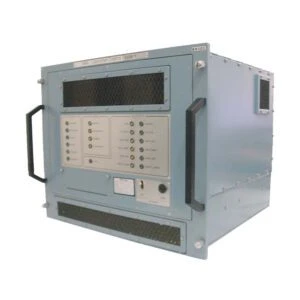
Rugged IIoT (Industrial Internet of Things) gateways are hardware devices designed to collect, filter, process, and transmit data from industrial machinery and sensors in real time. Built to operate under extreme environmental conditions such as high temperatures, dust, vibration, and humidity these rugged products ensure consistent performance in harsh settings.
Similarly, industrial cellular routers offer secure and reliable wireless connectivity, allowing remote equipment and assets to communicate over 4G/5G networks. Combined, these two devices form the backbone of edge computing in industrial environments.
Enabling Edge Intelligence: The Key Benefits
- Real-time Data Processing at the Source
- By enabling edge intelligence, rugged IIoT gateways reduce latency and bandwidth usage by analyzing data locally before sending it to the cloud. This allows for faster decision-making and reduced reliance on centralized infrastructure.
- Enhanced Reliability and Uptime
- Rugged products are designed to survive demanding conditions, ensuring that industrial cellular routers and IIoT gateways maintain uninterrupted connectivity even in mission-critical environments.
- Improved Security and Compliance
- Processing data at the edge means sensitive information can remain onsite, reducing the risk of cyber threats and aiding in compliance with data regulations.
- Scalability and Flexibility
- Rugged IIoT gateways support a wide variety of communication protocols (e.g., Modbus, MQTT, OPC-UA), making them suitable for both legacy systems and modern digital infrastructures.
Tradeoffs and Challenges in Deployment
Despite their benefits, deploying rugged IIoT gateways and industrial cellular routers comes with tradeoffs:
- Cost vs. Performance: High-quality rugged products often come at a premium. Companies must balance performance requirements with budget constraints.
- Complexity vs. Compatibility: Integrating edge devices into existing systems may require protocol conversion and software adaptation.
- Power Consumption vs. Edge Computing Power: Advanced processing capabilities may increase power usage, which could be a concern in remote, off-grid deployments.
Key Considerations for Industrial Decision Makers
When investing in rugged IIoT gateways, consider:
- Environmental Compatibility: Choose gateways that are certified to withstand your specific industrial conditions.
- Connectivity Requirements: Assess whether 4G, 5G, or dual SIM industrial cellular routers are needed for failover and redundancy.
- Data Management: Plan how data will be processed, stored, and transmitted to cloud or local servers.
- Vendor Support: Ensure that the vendor offers long-term technical support, firmware updates, and security patches.
Conclusion
Rugged IIoT gateways and industrial cellular routers are at the heart of the edge intelligence revolution in industrial networks. As industries demand more responsive, autonomous, and data-driven systems, these rugged products provide the reliability and functionality necessary for operating in challenging environments. By carefully evaluating performance, compatibility, and scalability, industrial businesses can unlock new efficiencies and resilience through smarter network architecture.
Top 5 FAQs About Rugged IIoT Gateways and Industrial Cellular Routers
1. What is the role of rugged IIoT gateways in industrial networks?
Rugged IIoT gateways act as intermediaries between field devices and cloud platforms, enabling real-time data processing and communication at the edge, even in harsh environments.
2. How do industrial cellular routers differ from standard routers?
Industrial cellular routers are designed for extreme environments and provide reliable 4G/5G connectivity, remote management, and secure communication for industrial applications.
3. Why is edge intelligence important in modern industrial systems?
Edge intelligence reduces latency, enhances reliability, and allows for faster decision-making by processing data locally instead of relying on cloud computing alone.
4. What features should I look for in rugged IIoT gateways?
Look for features like multi-protocol support, industrial-grade certifications, extended temperature range, shock resistance, and built-in cybersecurity.
5. Are rugged IIoT gateways suitable for legacy systems?
Yes, many rugged IIoT gateways support legacy protocols, making them ideal for integrating older equipment into modern digital ecosystems.