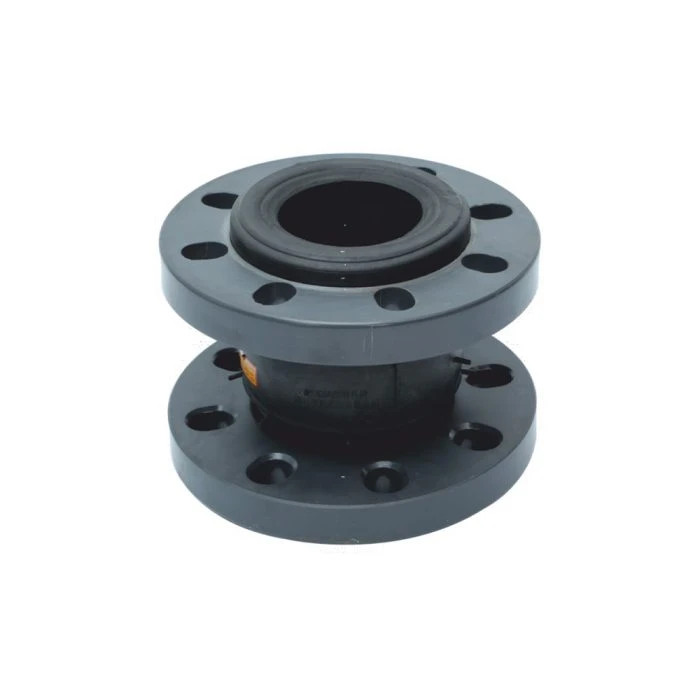
In modern industrial and infrastructure systems, pipelines are exposed to constant movement, pressure variations, temperature changes, and vibration. These factors can create stress within the piping system, leading to wear, leakage, or even structural failure over time. To address these challenges, expansion joints are widely used as flexible connectors within pipelines. One of the most effective materials used in these components is rubber for expansion joints, which plays a critical role in enhancing both durability and overall system performance.
Rubber for expansion joints is specifically designed to absorb movement and reduce stress in piping systems. Expansion joints made from rubber are installed between pipe sections to accommodate thermal expansion, contraction, and mechanical vibration. Without these flexible components, pipelines would be more prone to damage due to constant stress and movement, especially in high-pressure or high-temperature environments.
Absorbing Thermal Expansion and Contraction
One of the main reasons pipelines experience stress is due to temperature fluctuations. When fluids at different temperatures pass through pipes, the material expands and contracts accordingly. This continuous movement can create strain at joints and connections, eventually leading to cracks or leaks.
By using rubber for expansion joints, pipelines can effectively absorb these thermal movements. Rubber’s natural flexibility allows it to expand and contract along with the pipe, reducing the load on rigid components. This helps maintain the structural integrity of the pipeline and extends its operational life.
Reducing Vibration and Noise
In many industrial applications, pipelines are connected to pumps, compressors, and other machinery that generate vibration during operation. These vibrations can travel through the piping system, causing wear and loosening connections over time.
Rubber for expansion joints helps isolate and absorb these vibrations, preventing them from spreading throughout the system. This not only protects the pipeline but also reduces noise levels, creating a safer and more stable working environment. Vibration control is particularly important in industries such as power plants, chemical processing, and water treatment facilities.
Enhancing Pipeline Durability
Durability is a key requirement for any pipeline system, especially in industries where continuous operation is essential. The use of rubber for expansion joints significantly improves the lifespan of pipelines by minimizing stress on joints and connections.
Rubber expansion joints can withstand repeated cycles of movement without losing their flexibility or strength. This makes them highly suitable for applications where pipelines are subjected to constant pressure changes or dynamic forces. By reducing mechanical stress, these joints help prevent premature failure and reduce maintenance requirements.
Preventing Leakage and System Failure
Leakage is a common issue in pipeline systems, often caused by stress, misalignment, or wear at connection points. Rigid connections are more likely to develop leaks when exposed to movement or vibration.
Using rubber for expansion joints helps create a more flexible and secure connection between pipe sections. The elasticity of rubber allows it to accommodate slight misalignments and movement, ensuring a tight seal even under changing conditions. This reduces the risk of leakage and improves the overall reliability of the system.
Supporting Easy Installation and Maintenance
Another advantage of using rubber for expansion joints is the ease of installation. These joints are typically lightweight and flexible, making them easier to handle compared to rigid connectors. This simplifies the installation process and reduces labor time.
Maintenance is also more manageable because rubber expansion joints can be inspected and replaced without major modifications to the pipeline. Their durability and resistance to wear further reduce the frequency of maintenance, helping industries maintain continuous operations.
Applications Across Industries
Rubber for expansion joints is widely used in various industries, including water treatment, chemical processing, HVAC systems, power generation, and marine applications. In water systems, these joints help manage pressure fluctuations and prevent pipeline damage. In chemical industries, they provide flexibility while handling corrosive fluids. HVAC systems benefit from vibration and noise reduction, improving system efficiency and comfort.
Resistance to Environmental Conditions
Rubber materials used in expansion joints are often designed to resist environmental factors such as moisture, chemicals, and temperature variations. This makes rubber for expansion joints suitable for both indoor and outdoor applications. The material’s ability to withstand harsh conditions ensures long-term performance without significant degradation.
Conclusion
Pipelines are essential components in industrial and infrastructure systems, and their durability directly impacts operational efficiency and safety. The use of rubber for expansion joints provides a practical solution to common challenges such as thermal expansion, vibration, and stress.
By improving flexibility, reducing wear, and preventing leakage, rubber expansion joints enhance the overall performance and lifespan of pipeline systems. Their ease of installation, low maintenance requirements, and ability to adapt to dynamic conditions make them a valuable component in modern piping solutions. As industries continue to prioritize efficiency and reliability, the importance of rubber for expansion joints in maintaining durable and high-performing pipeline systems will continue to grow.